

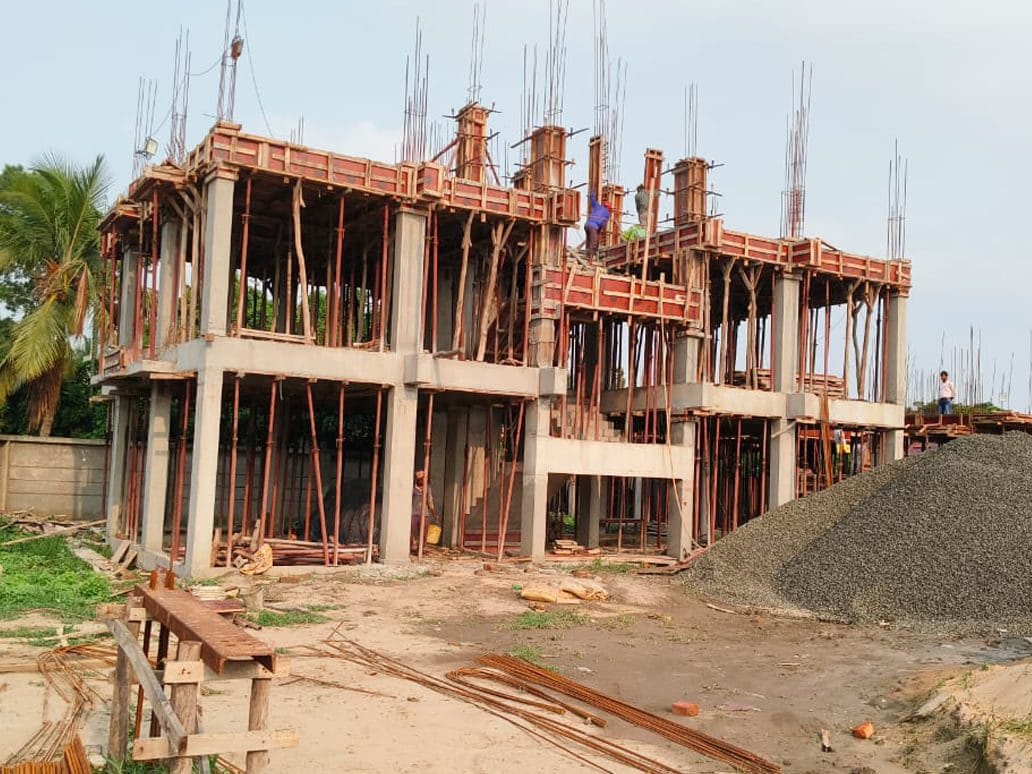
Building construction inflation in Ghana continued to ease at the beginning of 2026, falling to 3.9 percent in January from 4.4 percent in December 2025, according to new figures released by the Ghana Statistical Service (GSS).
Data from the Prime Building Cost Index (PBCI) indicate that although year-on-year inflation in the sector is slowing, monthly cost increases remain evident. The index, which tracks changes in the prices of construction materials, labour, and equipment, rose to 132.4 in January 2026 from 127.4 in January 2025. The latest reading marks the ninth straight month of declining annual construction inflation.
Despite the moderation every year, construction costs climbed 1.1 percent between December 2025 and January 2026.
Labour and equipment costs support decline
The easing in annual inflation was mainly driven by lower increases in labour and equipment costs. Year-on-year labour inflation dropped significantly to 5.4 percent in January, down from 10.7 percent the previous month. On a monthly basis, labour costs fell by 4.1 percent, providing some respite for contractors and developers.
Plant and equipment costs also showed slower annual growth, declining to 4.2 percent from 5.6 percent in December. However, these costs still rose by 2.9 percent month-on-month.
Material prices pick up
In contrast, material costs experienced renewed upward pressure. Annual materials inflation rose to 3.5 percent in January, compared with 2.7 percent in December, while increasing 2.3 percent over the month.
Surface finishes recorded the highest annual increase at 10.8 percent. Cement prices, however, dropped 6.6 percent compared with January 2025, helping to contain overall cost growth.
Additional upward pressures came from tiles, glazing, timber, doors, metal works, electrical installations, and skilled labour. Meanwhile, prices for fine aggregates and reinforcement declined, partially offsetting broader increases.
Overall, the January figures show that while softer labour and equipment costs are helping to slow annual inflation, rising material prices could create renewed strain on construction budgets in the coming months.
