
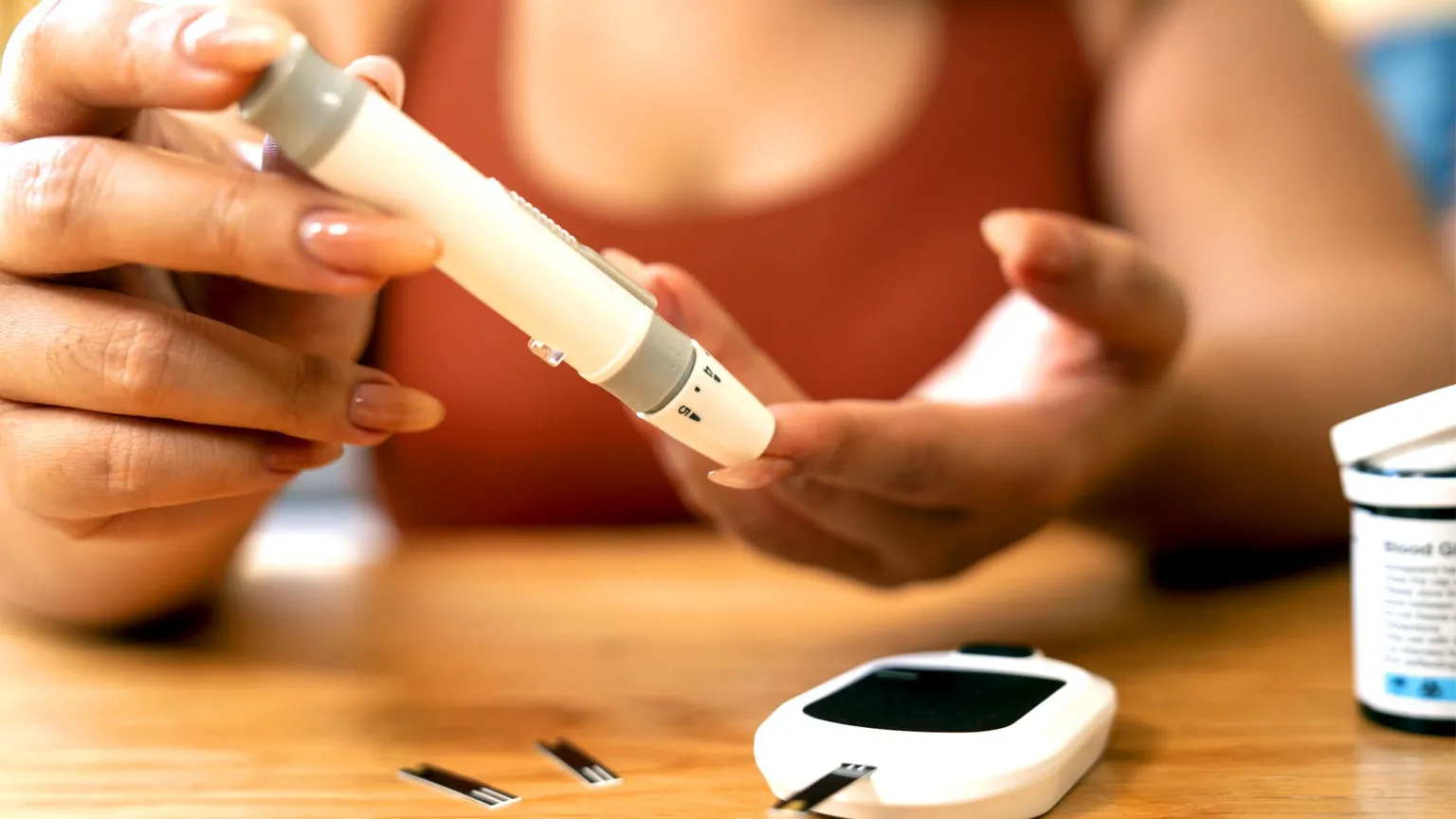
Researchers at Imperial College London have raised concerns over a sharp increase in cases of type 2 diabetes among women in their 20s in England, warning that the trend is closely linked to rising obesity levels since the Covid-19 pandemic.
The findings, based on an analysis of NHS data from 2011 to 2024, show that while new diagnoses have declined slightly among older adults, they are increasing rapidly among people under the age of 40, with some of the steepest rises recorded in women aged between 20 and 29.
Researchers say the trend is particularly concerning because type 2 diabetes diagnosed at a younger age tends to be more aggressive and is associated with a higher risk of serious health complications, including heart attacks, strokes and long-term organ damage.
Obesity identified as a major driver
The analysis found that body mass index (BMI) at the time of diagnosis has risen more quickly among younger adults than older age groups, suggesting increasing obesity is a key factor behind the growing number of cases.
Separate NHS data show obesity rates in England have worsened since the pandemic, with nearly one in three people now affected. The largest increases have occurred among younger adults.
Between 2019 and 2025, new obesity cases increased by 16% among people aged 20 to 29 and by almost 20% among those aged 30 to 39. During the same period, obesity rates declined among adults aged 60 to 79.
Lead researcher Dr Shivani Misra said earlier onset of severe obesity appears to be increasing the risk of developing type 2 diabetes at a younger age.
“We think that the earlier onset of severe obesity in young people is increasing their type 2 diabetes risk in early life and pulling down their age at diagnosis,” she said.
“This is really worrying given the poor health outcomes from early-onset type 2 diabetes.”
Cases increasing beyond high-risk groups
Dr Misra noted that concerns about rising type 2 diabetes among younger people have often focused on ethnic minority communities, which traditionally face a higher risk of the condition.
However, the latest findings suggest the increase now extends beyond those groups.
“We now see that incidence is also increasing in white populations too, showing that this public health challenge is broadening across the generations,” she added.
According to NHS England estimates, around 12,000 people under the age of 30 are now living with type 2 diabetes, with women accounting for a growing proportion of these younger cases.
Early diagnosis remains critical
Diabetes UK has stressed the importance of early diagnosis to prevent irreversible complications.
The charity said type 2 diabetes can sometimes be placed into remission through healthy eating, weight loss and lifestyle changes, reducing or eliminating the need for glucose-lowering medication.
Researchers also suggested that newer obesity treatments, including GLP-1 weight-loss injections and oral medications, could play an important role alongside dietary advice in reducing the risk of the disease.
Common symptoms of type 2 diabetes include persistent tiredness, increased thirst and frequent urination.
Diabetes UK also called for better follow-up care for women diagnosed with gestational diabetes during pregnancy, noting that they face a higher risk of developing type 2 diabetes after giving birth.
Although some studies have suggested a possible link between Covid-19 infection and an increased risk of type 2 diabetes, researchers say the evidence remains inconclusive.
