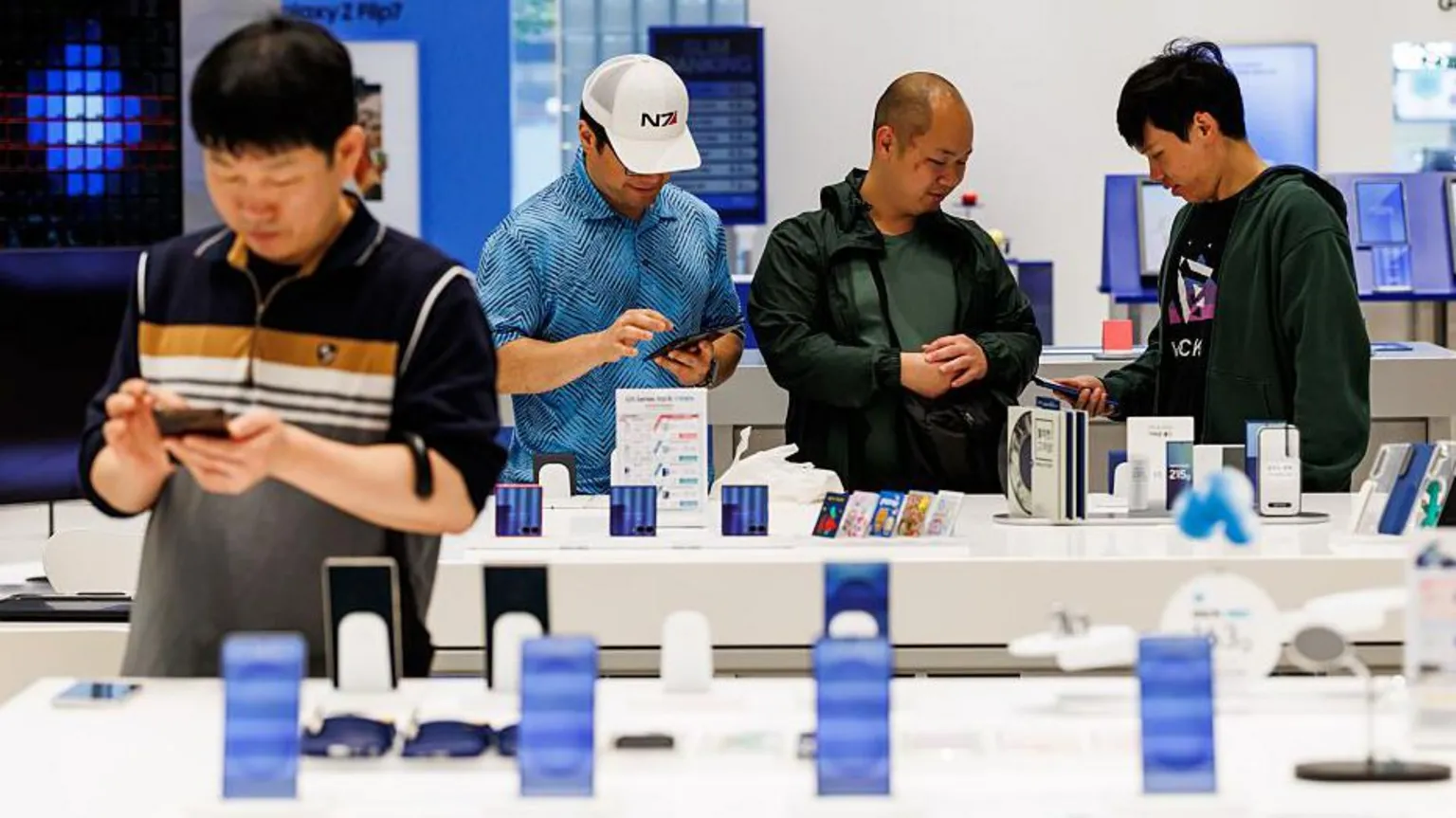
Samsung Electronics expects its profits to soar after a surge in global demand for artificial intelligence (AI) memory chips boosted sales during the second quarter of the year.
The South Korean technology giant said it expects operating profit for the April to June period to reach 89.4 trillion won ($58.4 billion), marking its third consecutive record-breaking quarterly result.
The company also forecast sales of about 171 trillion won, more than double the amount recorded during the same period last year.
Samsung released the earnings guidance on Tuesday ahead of its full financial results later this month, giving investors an early indication of its performance.
AI boom fuels chip demand
The strong results come as demand for semiconductors used in AI data centres continues to outpace global supply, driving up chip prices.
Samsung, one of the world’s largest semiconductor manufacturers, produces memory chips used by leading technology companies, including Nvidia and Google, while also manufacturing its own range of electronic devices.
Industry analyst Marc Einstein of Counterpoint Research described Samsung’s forecast as one of the company’s strongest quarterly performances ever.
He said the surge in earnings was largely driven by the rapid growth of artificial intelligence, with memory chip makers benefiting from tight supplies and unprecedented demand.
Samsung has also increased the prices of its memory chips as customers compete for limited supplies.
AI infrastructure keeps supplies tight
Research firm IDC said demand for semiconductors used in AI data centres and related infrastructure has reached levels never before experienced by the memory chip industry.
According to IDC’s Bryan Ma, supplies are expected to remain tight through next year as AI data centres continue expanding around the world.
The shortage has also affected the availability of chips used in everyday electronic devices.
Investors seek even stronger results
Despite the record earnings forecast, Samsung’s shares fell nearly 7% in Seoul after some investors had expected even higher profits.
Even so, the company’s market value has more than doubled since the beginning of the year.
Its South Korean rival, SK Hynix, has performed even better, with its market value rising by more than 200% over the same period.
The strong performance of both chipmakers has helped push South Korea’s benchmark Kospi stock index up by more than 80% this year.
Global race for AI chip dominance
The rapid expansion of artificial intelligence has boosted semiconductor companies worldwide.
Earlier this year, Nvidia reported record quarterly revenue of more than $80 billion, although its share price briefly fell as investors raised concerns about increasing competition in the AI chip market.
South Korea is also investing heavily in the industry’s future. In June, the government announced plans for at least $880 billion in investments to support semiconductor projects led by Samsung and SK Hynix.
Other major technology hubs, including Japan, China and Taiwan, are also expanding chip manufacturing capacity as countries race to meet the growing global demand for AI technology.
The semiconductor industry is expected to remain one of the biggest beneficiaries of the AI boom, with strong demand for advanced memory chips likely to continue in the coming years.
