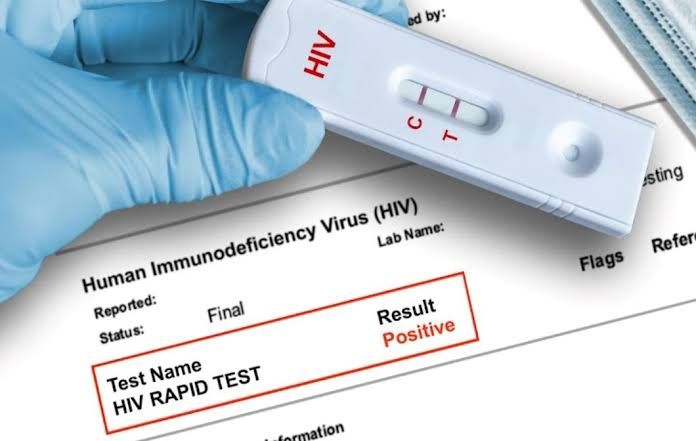
GHANET President Ernest Amoabeng Ortsin said Ghana’s supply of oral and blood-based HIV test kits is expected to last only until the end of July.
He made the disclosure in an interview with the Ghana News Agency (GNA).
The test kits are essential for diagnosing HIV. They are also critical in emergency care and for pregnant women to help prevent mother-to-child transmission.
Ortsin warned that a shortage would reduce access to testing and leave more HIV infections undetected.
“Shortages mean fewer people can be tested, increasing the risk of undetected HIV infections,” he said.
He added that delayed diagnosis could prevent patients from starting life-saving antiretroviral therapy (ART) on time. It could also increase the risk of new infections.
Funding and Procurement Delays
Ortsin blamed the looming shortage on funding gaps and procurement delays.
He explained that the Global Fund supplied HIV testing commodities from 2024 to 2026. Under the agreement, the Government of Ghana was expected to take over procurement in 2026.
However, funding shortfalls and delays in purchasing the commodities have affected the transition. Ortsin also pointed to Ghana’s continued reliance on donor support.
Risk to UNAIDS Targets
GHANET says the shortage could slow Ghana’s progress toward the UNAIDS 95-95-95 targets.
These targets aim to ensure that 95% of people living with HIV know their status, 95% of those diagnosed receive treatment, and 95% of those on treatment achieve viral suppression.
GHANET Calls for Urgent Action
Ortsin urged the Ministry of Health to immediately procure more HIV test kits. He also called for the creation of buffer stocks to prevent future shortages.
He further appealed for increased government funding for HIV programmes.
According to him, Ghana should also invest in local production of HIV test kits and laboratory reagents.
He said stronger domestic financing and local manufacturing would reduce the country’s dependence on donor support and strengthen the national HIV response.
