A new nationwide study has revealed that while many Ghanaians remain committed to democratic governance, frustrations over economic hardship and corruption are fueling conversations about military rule as a possible alternative.
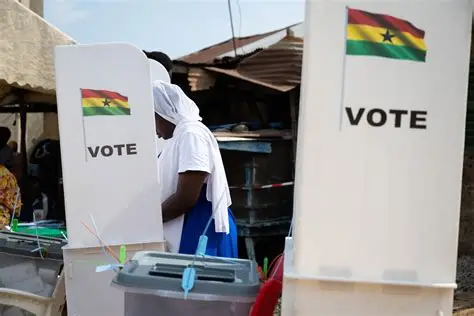
The research, conducted across all 16 regions and involving 6,719 respondents, found that 52.3% of citizens are satisfied with Ghana’s democracy, with 43.5% rating it as “good” and 10.3% as “very good.” An overwhelming majority 92.3% understood democracy as a system rooted in the rule of law, human rights, and regular elections.
Participation levels were also high, with 93.1% of respondents registered to vote.
Despite this strong democratic awareness, the study highlighted deep concerns about governance outcomes:
85.2% said democracy has failed to deliver economic development, particularly in tackling unemployment and the rising cost of living.
75.5% believed democracy has not effectively addressed corruption.
These frustrations have contributed to growing debates about whether military regimes, such as those in parts of the Sahel, could provide stronger leadership.
Support for military intervention is not widespread but conditional. 34.5% would consider military rule if economic conditions do not improve, 28.1% would support it if corruption remains unchecked and 13.9% linked potential support to the failure to create jobs for young people.
Interestingly, 54.7% of respondents believed the military would be more effective than civilian governments in combating corruption, while nearly half (49.5%) felt military leaders in the Sahel were performing well.
However, focus group discussions revealed caution, with many participants expressing concern about human rights abuses, restrictions on freedoms, and disregard for the rule of law under military regimes.
The study urged Ghana’s political leaders to intensify anti-corruption measures, strengthen accountability institutions, implement economic reforms to create jobs and improve living standards.
Expand civic education to encourage citizen engagement beyond voting,build transparency, responsiveness, and trust in public institutions.
Ghanaians remain committed to democracy but are increasingly impatient with its inability to deliver tangible improvements in daily life.
Admiration for military regimes in neighboring countries reflects dissatisfaction with democratic shortcomings rather than a rejection of democracy itself.
