
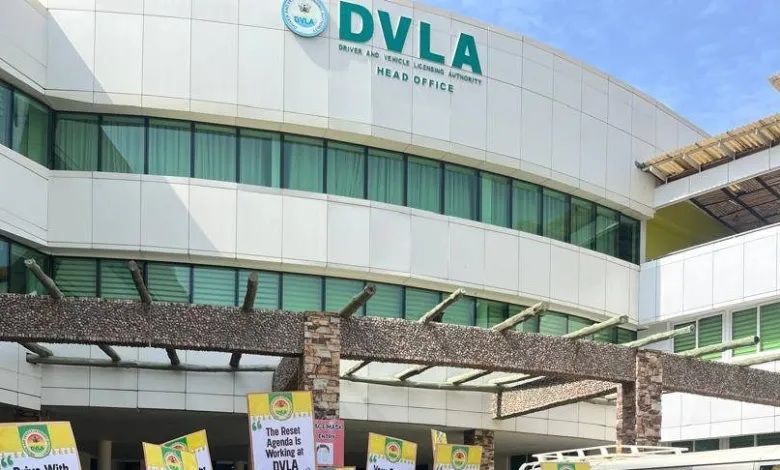
The Driver and Vehicle Licensing Authority (DVLA) denied licences to 4,896 applicants in 2025 after they failed mandatory eye examinations.
The measure forms part of the Authority’s efforts to improve road safety and reduce accidents linked to poor vision.
According to the DVLA, 251,117 commercial and private drivers underwent compulsory eye screening nationwide last year.
Of that number, 218,471 applicants, representing 87%, passed the test on their first attempt.
However, 32,645 applicants initially failed the examination.
Following medical treatment or the acquisition of prescribed corrective lenses, 24,483 of those applicants later met the required standards and received clearance.
The remaining 4,896 applicants failed to satisfy the medical requirements and were denied licences.
The screenings revealed a range of vision-related conditions among drivers.
These included glaucoma, cataracts, refractive errors and vision problems linked to hypertension.
According to the DVLA, many applicants were unaware of their conditions until they underwent the mandatory examination.
Speaking to The Ghanaian Times, Director for Driver Training, Testing and Licensing, Kafui Semevo, said strict enforcement of Regulation 29 of L.I. 2180 remains essential to reducing preventable road crashes.
He explained that applicants with correctable vision problems were given the opportunity to seek treatment before being reassessed.
“Drivers whose vision impairments could not be corrected had their licences revoked in line with the law, while those with treatable conditions had their licences suspended until they were medically cleared,” he said.
Semevo also disclosed that policymakers are considering changes that could allow people with “single vision” to drive private vehicles only.
The proposal follows findings from a survey conducted by the University of Cape Coast (UCC).
Under the proposal, affected individuals would not qualify to operate commercial vehicles.
The DVLA is working with the University of Cape Coast and the Ghana Optometric Association (GOA) to assess the effectiveness of the eye-screening reforms.
The collaboration aims to determine how the measures are contributing to road safety and reducing crashes linked to poor eyesight.
Chief Superintendent of Police (Dr) Remi Ninkpe, Coordinator of the DVLA-GOA Eye Care Reforms Project, cautioned drivers against self-medication and the use of unprescribed glasses.
He urged motorists to seek professional eye care and comply with medical advice to ensure they remain fit to drive.
The DVLA believes regular eye screening remains a critical tool in improving road safety and preventing avoidable accidents across the country.
