
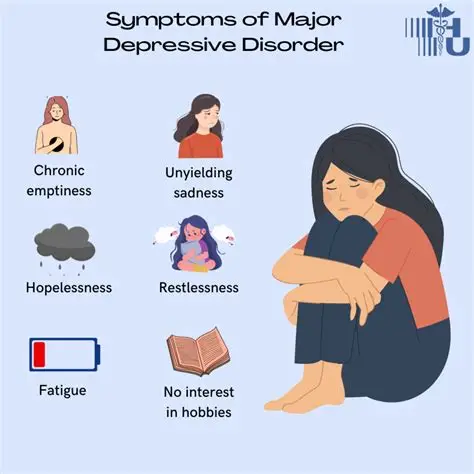
One of the most misunderstood aspects of depression is the belief that it must always be tied to obvious suffering, failure, or loss. Many people quietly ask themselves: “I have everything I should need to be happy — so why do I still feel empty?”
Mental health experts say depression is not always “about” a specific event. It is a complex condition with multiple causes, triggers, and forms. Rather than being a single uniform experience, depression can emerge from a combination of biological, psychological, environmental, and social factors.
The long-popular idea that depression is simply caused by a “chemical imbalance” involving serotonin has increasingly been challenged by researchers. Likewise, depression should not be mistaken for weakness or lack of gratitude.
Here are 10 major contributors that experts identify as strongly linked to depression:
1. Bipolar Disorder
Depression can sometimes be part of a broader mood disorder such as bipolar disorder.
Contrary to popular stereotypes, bipolar disorder is not simply moodiness. It involves significant and sustained shifts between emotional highs and lows, with depressive episodes often becoming the first noticeable symptom, particularly among teenagers and young adults.
These depressive periods may appear intense, long-lasting, and seemingly spontaneous before any manic symptoms become obvious.
2. Disrupted Sleep and Body Rhythms
Sleep and mental health are deeply connected.
Researchers increasingly believe that disruptions to the body’s circadian rhythm, the internal clock that regulates sleep, hormones, and energy, can significantly contribute to depression.
Irregular sleep schedules, chronic insomnia, and overnight work shifts may interfere with hormonal balance and emotional regulation, increasing vulnerability to depressive symptoms.
3. Underlying Medical Conditions
Depression-like symptoms can sometimes be caused by physical health conditions rather than psychological factors alone.
Conditions commonly linked to depressive symptoms include:
- Thyroid disorders, especially hypothyroidism
- Iron deficiency
- Lyme disease
- Cushing’s disease
Experts note that sudden emotional changes without any personal or family history of depression may warrant a medical evaluation to rule out underlying illnesses.
4. Genetics and Family History
Research shows depression can run in families.
Scientists estimate that depression has a heritability rate of roughly 30 to 50 per cent, with more than 100 gene locations associated with major depressive disorder.
However, genetics alone rarely determines outcomes. Researchers say life experiences, stress, and environmental pressures can influence how genetic vulnerabilities are expressed.
Inflammation in the body has also increasingly been linked to depression, with some people appearing genetically more vulnerable to inflammatory responses that affect mood.
5. Hormonal and Stress-System Dysfunction
The body’s stress-response system, particularly the hypothalamic-pituitary-adrenal (HPA) axis, plays a major role in emotional regulation.
When this system becomes dysregulated, it can contribute to severe forms of depression, especially melancholic depression, which is often characterised by:
- Intense emotional heaviness
- Severe guilt
- Appetite and weight loss
- Early morning waking
- Slowed or agitated movement
These cases often require more intensive biological treatments.
6. Difficult Life Events
Major life disruptions remain one of the strongest triggers for depression.
Experiences such as divorce, bereavement, unemployment, financial collapse, or trauma can overwhelm emotional resilience, particularly in people already vulnerable to depression.
Even individuals with no previous mental health history may develop major depressive episodes after prolonged stress or significant personal loss.
7. Pregnancy and Postpartum Changes
Depression linked to pregnancy and childbirth can stem from a combination of hormonal shifts, genetic vulnerability, physical exhaustion, and the emotional demands of parenting.
Perinatal and postpartum depression affects many parents and can emerge before or after childbirth.
8. Other Mental Health Conditions
Depression frequently develops alongside other psychiatric disorders.
For example:
- People with social anxiety may become isolated and lonely because of the fear of judgment.
- Individuals with personality disorders may struggle with unstable relationships, poor self-image, or chronic emotional distress.
Over time, these ongoing difficulties can contribute to depressive symptoms.
9. Seasonal Changes
Seasonal depression is often associated with reduced sunlight during colder months, though it can also occur during brighter seasons.
Experts believe seasonal changes may disrupt vitamin D levels and neurotransmitter functioning, affecting mood stability.
Common treatments include:
- Light therapy
- Vitamin supplementation
- Medication
- Psychotherapy
10. Substance Use and Environmental Exposure
Alcohol, recreational drugs, certain prescription medications, and exposure to toxic chemicals can all contribute to depression.
Mental health professionals often examine whether symptoms began or worsened after changes in substance use, medication, or environmental exposure.
In such cases, treating the underlying substance-related issue may be essential to improving mood symptoms.
Depression Has Many Faces
Mental health experts emphasise that depression is rarely caused by a single factor. In many cases, several biological, emotional, and environmental influences overlap.
Understanding depression requires moving beyond simplistic explanations and recognising that someone can appear successful, loved, or financially stable while still struggling internally.
Seeking professional help remains one of the most important steps toward understanding and managing depression effectively.
Depression frequently develops alongside other psychiatric disorders.
For example:
- People with social anxiety may become isolated and lonely because of the fear of judgment.
- Individuals with personality disorders may struggle with unstable relationships, poor self-image, or chronic emotional distress.
Over time, these ongoing difficulties can contribute to depressive symptoms.
Seasonal depression is often associated with reduced sunlight during colder months, though it can also occur during brighter seasons.
Experts believe seasonal changes may disrupt vitamin D levels and neurotransmitter functioning, affecting mood stability.
Common treatments include:
- Light therapy
- Vitamin supplementation
- Medication
- Psychotherapy
Alcohol, recreational drugs, certain prescription medications, and exposure to toxic chemicals can all contribute to depression.
Mental health professionals often examine whether symptoms began or worsened after changes in substance use, medication, or environmental exposure.
In such cases, treating the underlying substance-related issue may be essential to improving mood symptoms.
Mental health experts emphasise that depression is rarely caused by a single factor. In many cases, several biological, emotional, and environmental influences overlap.
Understanding depression requires moving beyond simplistic explanations and recognising that someone can appear successful, loved, or financially stable while still struggling internally.
Seeking professional help remains one of the most important steps toward understanding and managing depression effectively.
