
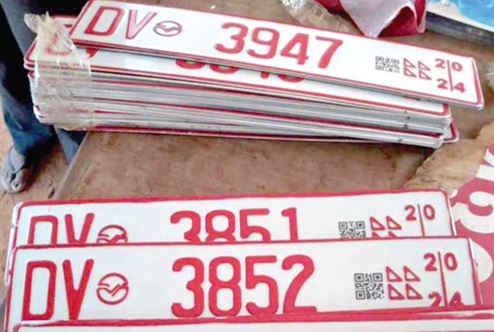
The Driver and Vehicle Licensing Authority (DVLA) has come under public attention after confirming defects in some of its newly issued 2026 vehicle number plates. The issue, which affects a portion of embossed plates, has raised concerns among motorists about quality control, road safety, and enforcement.
In April 2026, the DVLA officially admitted that some of the newly issued “26” registration plates were defective. According to the Authority, routine quality checks revealed that certain plates did not meet durability standards.
The main issue identified was fading characters on the plates, which could make them difficult to read over time. This defect affects embossed plates that were already distributed before the problem was detected.
Following the discovery, the DVLA announced that all affected plates would be replaced free of charge. The Authority also confirmed that:
- The defective batch has been withdrawn from circulation
- Steps have been taken to prevent further distribution
- A replacement process is being rolled out for affected vehicle owners
This move is aimed at restoring public confidence and ensuring that all vehicles meet legal visibility and identification standards.
The defective plates issue is just one of several challenges surrounding Ghana’s 2026 number plate system.
Plans to introduce a more advanced number plate system—potentially including RFID technology—were delayed due to pending legal approvals.
As a result, the DVLA continued issuing the traditional “26” plates at the start of the year.
At the same time, the DVLA has reported a surge in fake 2026 DV plates and misuse of expired 2025 plates.
Authorities have warned that offenders risk arrest and prosecution, especially as enforcement intensifies in 2026.
The DVLA has also reiterated that DV plates—often referred to as “defective plates”—are not meant for regular road use. They are restricted to car dealers and specific operational purposes.
However, widespread misuse has contributed to confusion and enforcement challenges on Ghana’s roads.
Number plates are more than just identification—they are essential for:
- Law enforcement and tracking vehicles
- Road safety and accident accountability
- Preventing fraud and vehicle-related crime
Defective or unreadable plates can undermine all three, making it harder for authorities to monitor compliance and respond to incidents.
Some motorists have expressed frustration, especially those who may need to go through another process to replace recently acquired plates. Others have questioned how defective plates passed initial quality checks.
However, the DVLA’s decision to offer free replacements has been widely seen as a necessary corrective step.
The DVLA is expected to tighten quality control measures and accelerate plans for a more secure, modern number plate system. With ongoing issues such as fake plates and regulatory delays, 2026 is shaping up to be a transitional year for vehicle registration in Ghana.
For now, vehicle owners are advised to:
- Check their plates for signs of fading
- Follow official DVLA communication on replacements
- Avoid using unauthorised or fake plates
The defective 2026 number plates issue highlights both operational lapses and broader systemic challenges within Ghana’s vehicle registration system. While the DVLA has moved quickly to address the problem, restoring trust will depend on improved quality assurance and successful rollout of future reforms.
