John Dumelo, Ghana’s Deputy Minister for Food and Agriculture, has expressed concern over Burkina Faso’s decision to halt tomato exports, saying the government needs to investigate the policy further to understand its full impact on Ghana.
Speaking on JoyNews Pulse on March 19, he noted that he had only recently seen a memo about the ban and was yet to confirm the details. He emphasized the need for authorities to engage and determine the reasons behind the move.
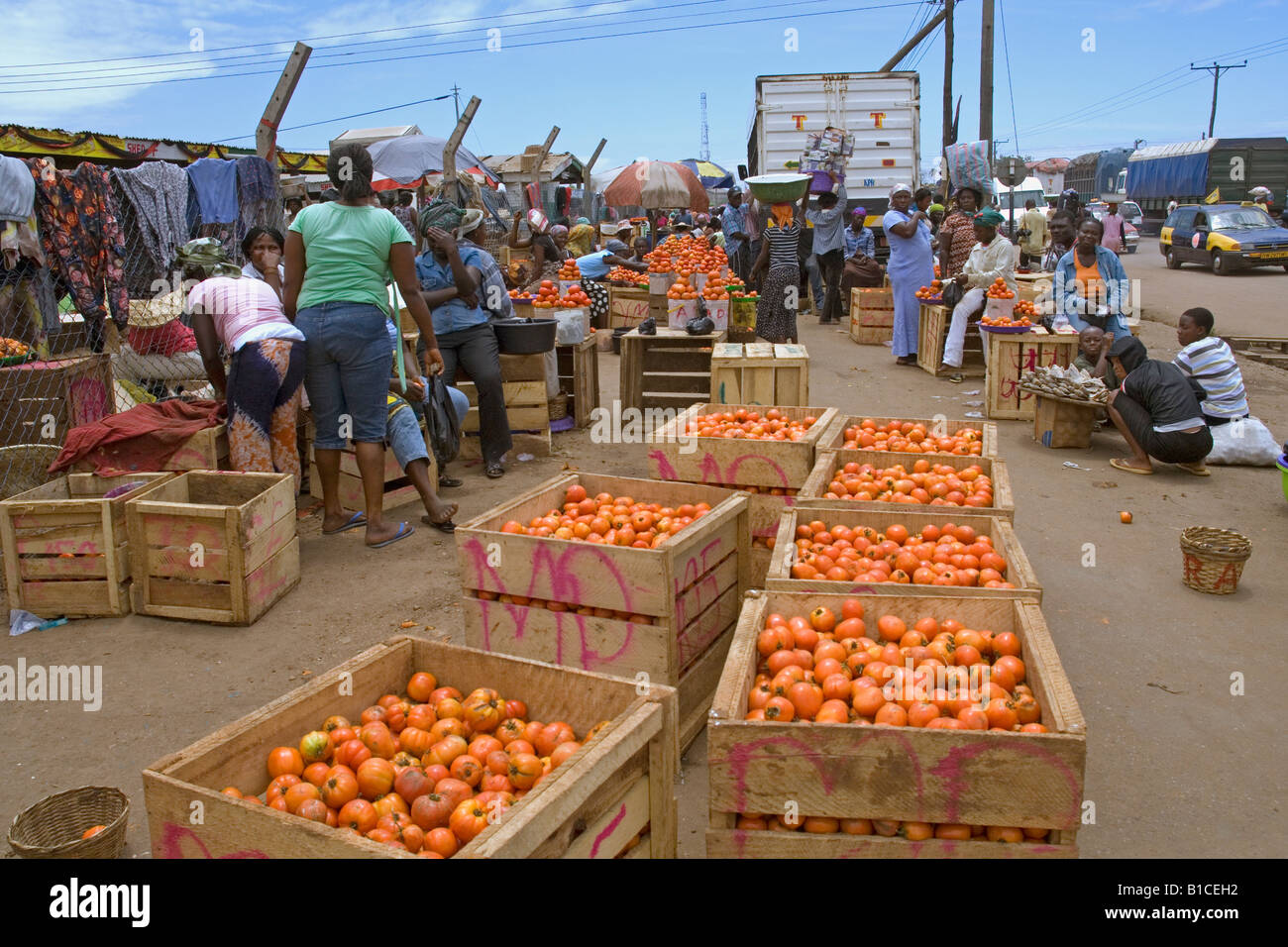
The export ban, which took effect on March 16, 2026, is aimed at strengthening Burkina Faso’s local processing industry and ensuring a stable supply of tomatoes for domestic factories. However, the decision poses a major challenge for Ghana, which depends on Burkina Faso for about 90% of its tomato imports—an annual trade worth over $400 million. The restriction has already begun pushing up prices in local markets.
Dumelo linked the situation to government efforts to reduce reliance on imports by boosting local production, particularly in northern Ghana. He revealed that he has been working with farmers over the past year to encourage dry-season tomato farming, with positive results.
Communities such as Garu, Zare, Tempane, and Talensi have reportedly seen improved yields, with many farmers already harvesting and showing interest in expanding production if given additional support.
While acknowledging that Ghana cannot immediately eliminate imports, Dumelo expressed confidence that with sustained investment, the country could achieve self-sufficiency in tomato production within three to four years.
He also highlighted ongoing initiatives under the West African Food Systems Resilience Programme, including projects at the Vea Irrigation Dam in Navrongo and trials in Akumadan, which are expected to boost output.
According to him, increased local production could start easing market pressures by the end of the year, with more significant improvements expected by 2027.
