

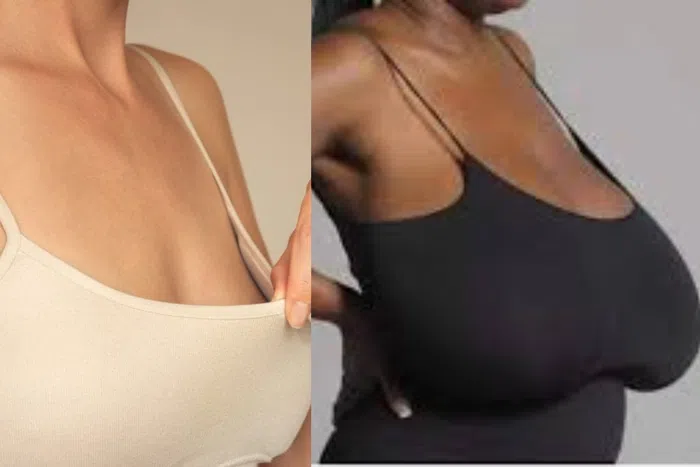
 Breast sagging is often associated with pregnancy, breastfeeding, or aging, but the truth is that breasts can begin to sag long before any of these life stages. Sagging medically known as ptosis is a natural process influenced by genetics, lifestyle, and physical changes in the body. Understanding the reasons behind it can help debunk myths and promote healthier body awareness.
1. Genetics
One of the biggest factors influencing breast firmness is genetics. The strength of your skin, connective tissue, and Cooper’s ligaments (the structures that support breast tissue) is largely inherited. Some people naturally have less elastic skin, making sagging more likely even at a young age.
2. Natural Aging
Breasts don’t contain muscle; they’re made up of fat, glands, and connective tissue. As the body ages, collagen and elastin production decreases, reducing skin elasticity. This process can begin earlier than many expect, sometimes in the late teens or early twenties.
3. Weight Fluctuations
Repeated weight gain and weight loss can stretch the skin of the breasts. When the skin is stretched too often, it may not fully return to its original shape, leading to sagging over time even without pregnancy.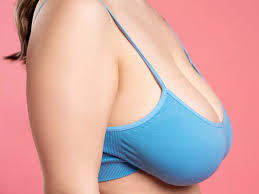
4. Lack of Proper Support
Wearing poorly fitted bras or skipping supportive bras during high-impact activities can contribute to sagging. Without adequate support, breast tissue experiences repeated strain from gravity and movement, which can weaken supportive ligaments over time.
5. Smoking
Smoking accelerates skin aging by reducing blood flow and breaking down collagen and elastin. This loss of skin strength affects the entire body including the breasts making sagging more likely at an earlier age.
6. Posture and Gravity
Slouching or poor posture can subtly affect how breasts sit on the chest over time. Combined with the constant force of gravity, poor posture can contribute to a gradual downward shift in breast position.
7. Breast Size and Density
Larger breasts are naturally heavier, placing more strain on skin and connective tissue. This doesn’t mean sagging is inevitable, but it does mean gravity has a stronger effect compared to smaller, lighter breasts.
Breast sagging is normal and not a sign of poor health or neglect. Social media and beauty standards often promote unrealistic expectations of how breasts should look, ignoring the wide range of natural shapes and changes that occur throughout life.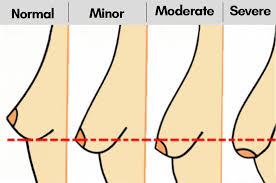
While sagging can’t be completely prevented, maintaining a stable weight, wearing well-fitted supportive bras, avoiding smoking, practicing good posture, and maintaining overall skin health can help slow the process.
Sagging breasts aren’t caused by one single factor and they’re not something to be ashamed of. Understanding why it happens, even before pregnancy, helps replace myths with knowledge and promotes healthier, more realistic views of the body.
