
For many people in Ghana, saving money in 2026 feels less like a financial goal and more like an impossible task. No matter how disciplined one tries to be, unexpected expenses, rising prices, and daily survival needs often take priority. From young professionals to small business owners, the question is the same: why is it so hard to save money today?
One of the biggest challenges is the increasing cost of living, especially in urban areas like Accra. Rent, transportation, food, and utilities have all seen steady increases over the years. What used to be manageable expenses now take up a significant portion of monthly income. Even basic necessities have become more expensive, leaving little to nothing at the end of the month to save.
For many households, income has not kept pace with these rising costs. This imbalance means people are constantly spending just to maintain their standard of living, with no room to build financial security.
Another key issue is income instability. Many Ghanaians work in informal sectors or rely on irregular earnings. Freelancers, traders, and gig workers often face unpredictable income flows, making it difficult to plan ahead. Even those with stable jobs may find that their salaries are not enough to cover expenses and still allow for savings.
In such situations, saving becomes a luxury rather than a habit. When income barely meets basic needs, putting money aside feels unrealistic.
In Ghanaian culture, financial responsibility often extends beyond the individual. Many people support not only themselves but also parents, siblings, and extended family members. This sense of obligation, while rooted in strong cultural values, can place a heavy financial burden on individuals.
Money that could have been saved is frequently used to handle family emergencies, school fees, or daily needs. As a result, even those who earn relatively well may struggle to build personal savings.
Social media and modern lifestyle trends have also contributed to the difficulty of saving. The desire to keep up appearances, whether through fashion, dining out, or attending events, can lead to increased spending. In cities like Accra, there is growing pressure to live a “soft life,” often influenced by what people see online.
While these experiences may provide temporary satisfaction, they can quietly erode financial stability. Many people spend beyond their means without realizing the long-term impact on their savings.
The convenience of mobile money has made transactions faster and easier, but it has also made spending almost effortless. With just a few taps, money can be sent, withdrawn, or used to pay for goods and services. This ease of access reduces the psychological barrier to spending, making it harder for people to control their finances.
Without strict discipline, small daily transactions can quickly add up, leaving little room for savings.
Life is unpredictable, and unexpected expenses are a major obstacle to saving. Medical bills, car repairs, family emergencies, and sudden price increases can disrupt even the best financial plans. In many cases, people are forced to dip into whatever little savings they have—or abandon the idea of saving altogether.
The lack of widespread insurance coverage and financial safety nets makes these situations even more challenging.
Another contributing factor is limited financial literacy. Many people do not have a clear savings plan or budget, making it difficult to manage their income effectively. Without understanding how to prioritize spending, track expenses, or set financial goals, saving becomes inconsistent or nonexistent.
This is not necessarily due to negligence, but rather a lack of access to financial education and resources.
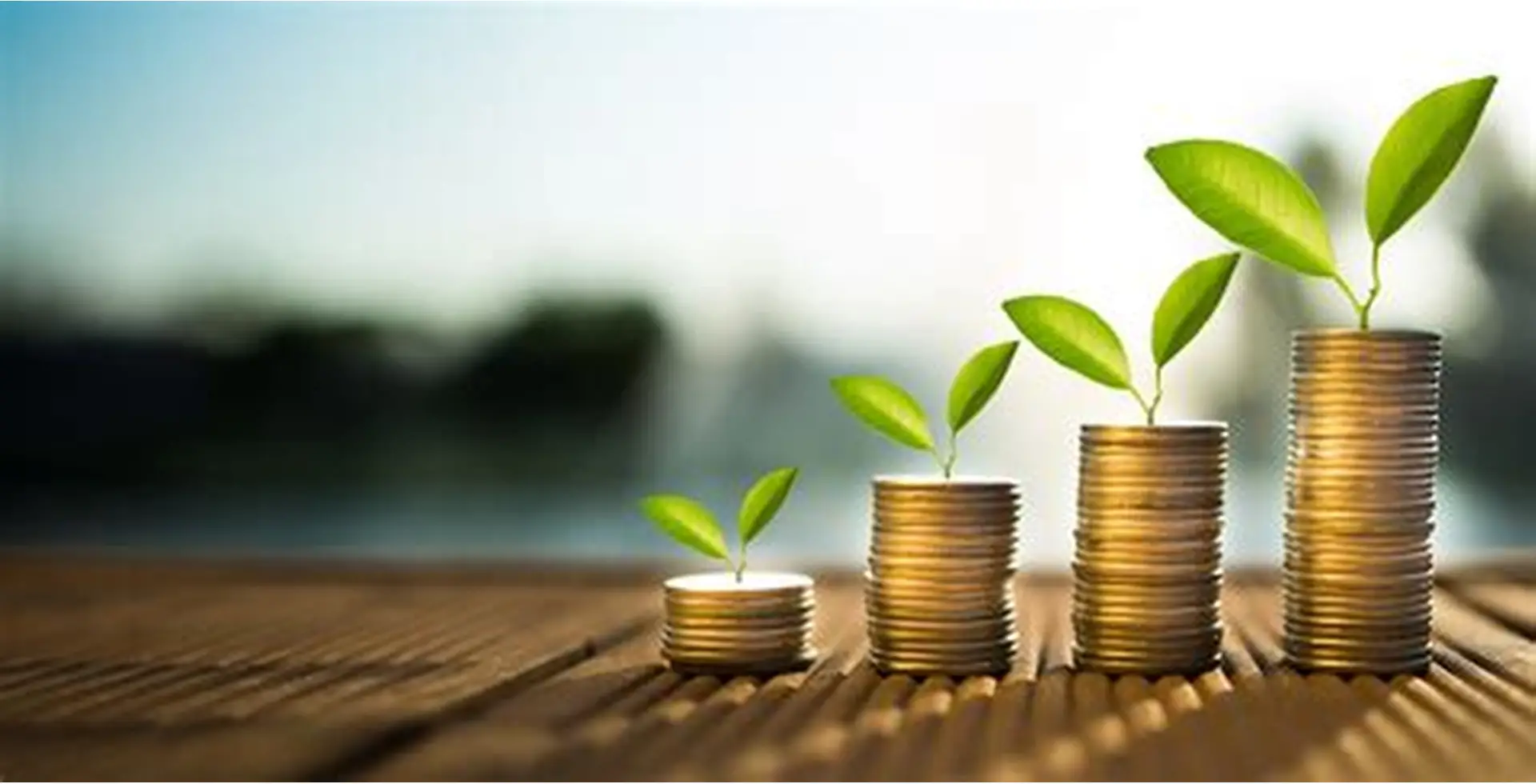
Despite these challenges, saving money in Ghana is not entirely impossible but it requires intentional effort and discipline. It may not always be about saving large amounts; even small, consistent savings can make a difference over time.
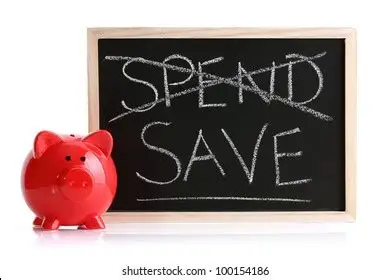
Adopting simple strategies such as budgeting, reducing unnecessary expenses, and setting clear financial goals can help individuals regain control over their finances. More importantly, shifting mindset from “saving what is left” to “saving first” can gradually build a stronger financial habit.
The difficulty of saving money in Ghana in 2026 is both a personal and systemic issue. Rising living costs, income instability, social expectations, and economic pressures all play a role in making savings feel out of reach.
However, awareness is the first step toward change. By understanding these challenges and taking small but consistent actions, individuals can begin to build financial resilience—even in a tough economic environment.
