

 Hospital environments are designed to promote healing, but they also host a wide range of germs due to the high number of patients, visitors, and healthcare workers passing through daily. Hospital restrooms, in particular, require extra caution. Practicing good hygiene in these spaces is essential to protecting yourself and others from infection.
Wash Your Hands Thoroughly
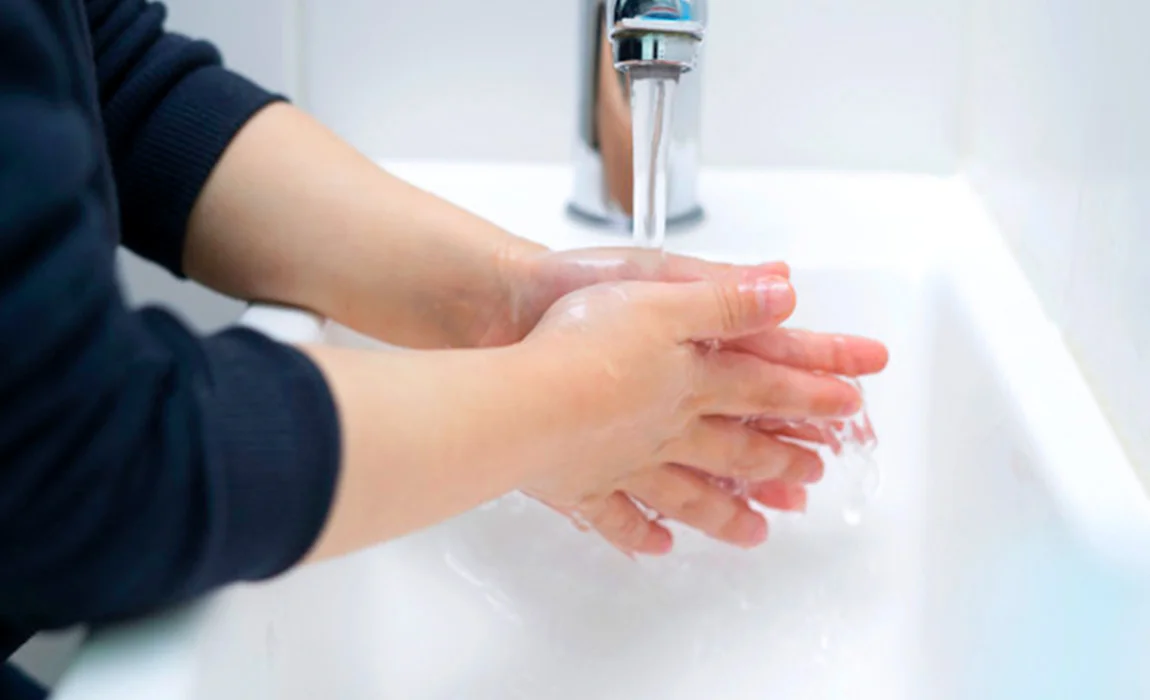
Handwashing is the most effective way to prevent the spread of germs. Use soap and running water, scrubbing your hands for at least 20 seconds. Be sure to clean between your fingers, under your nails, and around your wrists. When soap and water are unavailable, use an alcohol-based hand sanitizer—but remember it does not replace proper handwashing.
Avoid Direct Contact With Surfaces
Hospital restroom surfaces such as door handles, flush levers, faucet handles, and soap dispensers are frequently touched. Whenever possible, use a tissue, paper towel, or your elbow to touch these areas. Avoid placing personal items like phones, bags, or clothing on restroom floors or counters.
Use Toilet Seats Carefully
If disposable toilet seat covers are available, use them. If not, wiping the seat with tissue before use can reduce contact with germs. Avoid sitting directly on visibly soiled surfaces, and report unclean restrooms to hospital staff.
Practice Proper Respiratory Hygiene
If you cough or sneeze while in the restroom, cover your mouth and nose with a tissue or your elbow, not your hands. Dispose of tissues immediately and wash your hands afterward to prevent contamination.
Dry Your Hands Completely
Wet hands spread germs more easily than dry hands. Use paper towels or hand dryers to dry your hands thoroughly. If paper towels are available, use one to turn off the tap and open the restroom door before discarding it .
Maintain Personal Awareness
Avoid touching your face, eyes, nose, or mouth while in the restroom. Be mindful of your surroundings and move efficiently to limit unnecessary exposure.
Teach and Encourage Others
Parents and caregivers should guide children on proper restroom hygiene. Encouraging good habits helps reduce the spread of infections within hospital settings.
Dispose of Waste Properly
Always use designated bins for waste, sanitary products, and tissues. Proper disposal helps keep restrooms clean and safe for everyone.
