

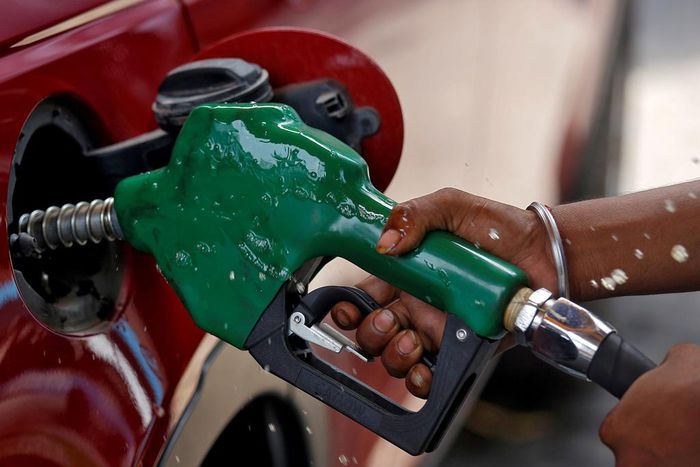
Accra, Ghana, January 16, 2026 Ghanaian motorists are today seeing tangible relief at the pumps as major Oil Marketing Companies (OMCs) implement significant fuel price reductions for the second pricing window of January, bringing petrol prices back into single-digit territory for the first time in years.
State-owned GOIL PLC has taken the lead on the price cuts, offering petrol at GH¢9.99 per litre at 150 selected service stations nationwide, down from the previous GH¢10.99 level. Diesel has also been reduced to GH¢11.21 per litre at these outlets. GOIL’s targeted pricing intervention aimed at major transport corridors and commuter hubs is designed to ease transportation costs and help translate broader economic improvements into everyday savings for Ghanaians.
Not to be outdone, market leader Star Oil Ghana has also lowered the price of petrol to GH¢9.97 per litre at about 175 fuel stations across the country. Diesel at participating outlets now sells for GH¢10.97 per litre. These reductions mark the first time since mid-2022 that petrol prices have dipped below GH¢10 in some parts of the country.
The downward pressure on fuel prices stems from lower international refined product costs and a strengthening of the Ghanaian cedi against the US dollar, both of which significantly influence pump prices. Industry analysts say the combination of global pricing trends and stronger local currency rates has created room for these cuts.
This latest round of reductions follows earlier price declines recorded in December 2025 and early January 2026, continuing a trend that has delivered real savings at the petrol pump compared with late 2024 levels.
For everyday drivers and commercial transport operators, the new pricing structure could translate to lower operating costs and reduced transportation expenses, a welcome development amid ongoing cost-of-living concerns. Some analysts also suggest that sustained competition among OMCs may put further downward pressure on prices in future pricing windows.
However, it’s important to note that not all service stations offer the discounted rates, and regular prices remain in effect at certain outlets depending on location and company strategy.
The reductions are part of Star Oil’s ongoing price-discount strategy at most of its service stations nationwide. Sources close to Star Oil told JoyBusiness that the company welcomes the competition, describing it as healthy for the industry. One source noted that the development strengthens calls for the National Petroleum Authority to abolish the price floor model, which bars OMCs from selling fuel below a set minimum price.
Several other OMCs have also told JoyBusiness that they will adjust prices at the pumps from today, January 16, 2026.
Databank Research has suggested that upcoming foreign exchange pressures on the cedi will be limited by the gradual rollout of the US$1 billion allocation for January under the Bank of Ghana’s FX Intermediation Programme.
This is the second time this month that prices of petroleum products have declined at the pumps.
