

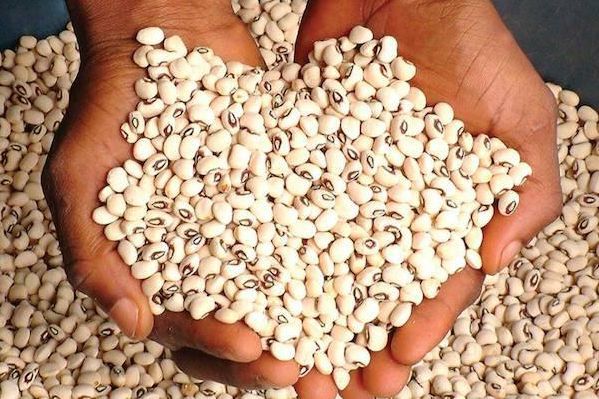
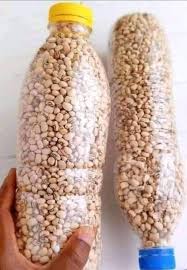
 Beans are a staple in many homes, affordable, nutritious, and versatile. But preserving them properly can be challenging, especially in warm or humid climates where insects and moisture quickly cause spoilage. While some people resort to unconventional methods like mixing beans with cement dust, there are safer and more effective ways to store beans without compromising health or quality.
Here’s how to preserve your beans naturally and keep them fresh for months.
1. Dry the Beans Thoroughly Before Storage
Moisture is the biggest enemy of stored beans. Even a small amount can encourage mold growth and attract pests.
Before storage:
-
Spread beans under direct sunlight for several hours.
-
Stir occasionally to ensure even drying.
-
Allow them to cool completely before packing.
Well-dried beans are less likely to develop mold or clump together.
2. Use Airtight Containers
Oxygen and humidity shorten the shelf life of beans. Store them in:
-
Airtight plastic containers
-
Glass jars with tight lids
-
Food-grade storage buckets
-
Heavy-duty zip-lock bags
For larger quantities, airtight drums or sealed storage bins work well. The key is limiting air exposure.
3. Freeze Before Long-Term Storage
One effective method to eliminate insect eggs is freezing.
-
Place beans in a sealed bag.
-
Freeze for 48–72 hours.
-
Remove and allow them to return to room temperature before transferring to airtight containers.
Freezing kills hidden weevils and larvae without using chemicals.
4. Add Natural Pest Repellents
Certain natural items help deter insects:
-
Dried chili peppers
-
Bay leaves
-
Neem leaves (where available)
-
Garlic cloves
Mix a small quantity with stored beans to discourage weevils. These options are safer than harmful additives and do not affect the beans’ taste when washed before cooking.
5. Store in a Cool, Dry Place
Heat accelerates spoilage. Keep beans:
-
Away from direct sunlight
-
Off the floor (use shelves or pallets)
-
In a well-ventilated area
Avoid damp storage rooms or areas near water sources.
6. Practice Regular Inspection
Even with proper storage, check your beans periodically:
-
Look for holes, webbing, or movement (signs of weevils).
-
Check for unusual odors or moisture.
-
Remove any spoiled portion immediately to prevent spread.
Early detection prevents total loss.
Why Avoid Cement?
Using cement or similar substances to preserve beans is unsafe. Cement is not food-grade and can contaminate the beans, posing serious health risks. Safe food storage should always prioritize hygiene and health over shortcuts.
Preserving beans without cement is not only possible, but it’s safer and more effective. Proper drying, airtight storage, freezing, and natural repellents can extend shelf life significantly while maintaining quality and nutrition.
With the right methods, your beans can stay fresh, pest-free, and ready for cooking whenever you need them.
