

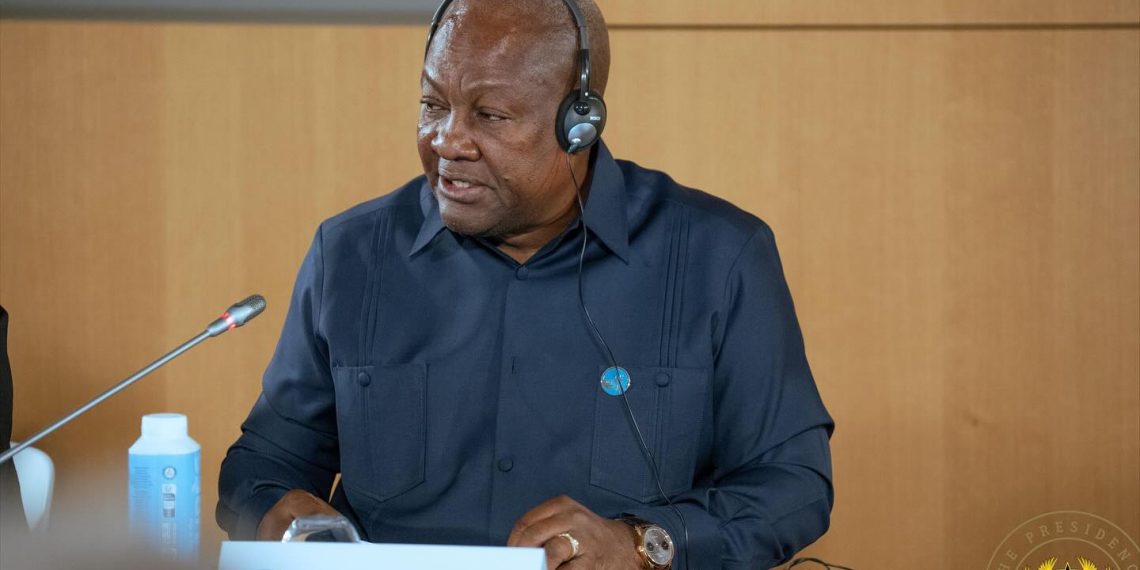
 President John Dramani Mahama is set to take centre stage at the World Economic Forum (WEF) in Davos this week, where he will lead a high‑profile session on the Accra Reset initiative, a bold Global South‑led effort to redefine international cooperation and strengthen sovereign capacity in an era of mounting global challenges.
The first Davos convening of the Accra Reset is scheduled for January 22, 2026, on the margins of the WEF Annual Meeting, where heads of state, senior officials, and global leaders are expected to participate.
The Accra Reset initiative, chaired by President Mahama in his role as head of its Presidential Council, seeks to respond to shifting global power dynamics and rising pressures on development systems. It aims to bolster sovereign decision‑making and reform outdated models of international cooperation, particularly in light of intensifying great‑power rivalries, diminishing relevance of traditional aid frameworks, and overlapping crises such as climate change, trade tensions, and global conflicts.
Several sitting African leaders are expected to attend the side event, including President Abdel Fattah El‑Sisi of Egypt, President William Samoei Ruto of Kenya, and President Félix Tshisekedi of the Democratic Republic of Congo. Nigeria will be represented by Vice President Kashim Shettima and Papua New Guinea by Prime Minister James Marape.
In addition, prominent former heads of state and global figures such as Olusegun Obasanjo, Helen Clark, Ameenah Gurib‑Fakim, and Ellen Johnson‑Sirleaf will participate as part of the initiative’s Guardians Circle, providing strategic guidance and diplomatic heft to the Accra Reset agenda.
Launched at the 2025 United Nations General Assembly and later endorsed at the G20 Leaders’ Summit in Johannesburg, the Accra Reset has been framed as an urgent response to the limitations of existing global governance frameworks and a platform for advancing a more equitable and resilient international system.
President Mahama has emphasised that the Accra Reset complements his Resetting Ghana Agenda, a domestic reform programme aimed at economic revitalisation, institutional strengthening, and inclusive growth, stressing that strong national governance must go hand‑in‑hand with fairer global cooperation. 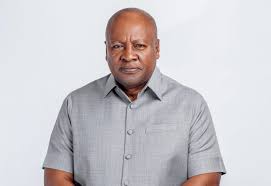
As one of the few African heads of state leading a major conversation at this year’s WEF, Mahama’s role highlights Ghana’s emerging diplomatic prominence on global economic reform debates and underscores the broader push from Global South countries for greater influence in setting the rules that shape international development and cooperation.
