

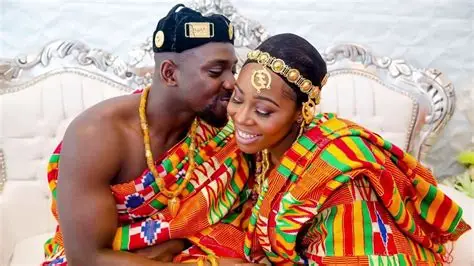
Weddings in Ghana have always been vibrant, colorful, and deeply rooted in tradition. From engagement ceremonies to white weddings, marriage celebrations are seen as a major life milestone. But in 2026, a growing concern is emerging, are Ghanaian weddings becoming too expensive? For many couples, what should be a joyful occasion is increasingly turning into a financial burden.
Traditionally, Ghanaian weddings were community-centered events. Families and friends played active roles, contributing food, labor, and support. The focus was on union and culture rather than extravagance.
Today, especially in cities like Accra, weddings have evolved into highly curated events. Professional planners, luxury venues, designer outfits, and elaborate décor have become the norm. What was once simple has now transformed into a full-scale production.
One of the biggest drivers of rising wedding costs is social pressure. Couples often feel the need to impress guests, families, and even strangers online. Social media platforms like Instagram and TikTok have amplified this pressure, showcasing glamorous weddings that set unrealistic standards.
Many couples find themselves trying to match or exceed what they have seen online. This leads to overspending on décor, catering, photography, and entertainment, all in the name of creating a “perfect” day.
The cost of wedding-related services in Ghana has increased significantly over the years. Venues, catering, makeup, photography, and fashion are all more expensive than before. Even basic elements like chairs, tents, and sound systems come at high rental prices.
Vendors often charge premium rates for weddings compared to other events, knowing how important the day is to couples. As a result, even a modest wedding can quickly become costly.
In Ghanaian culture, weddings are not just about the couple. They involve extended families and traditions. There are expectations around bride price, gifts, clothing, and hosting large numbers of guests.
Families may also have specific demands regarding how the ceremony should be conducted, which can increase costs. Couples sometimes feel obligated to meet these expectations, even when it stretches their finances.
For many young people, the high cost of weddings is becoming a major concern. Some delay marriage altogether because they cannot afford the kind of wedding they feel is expected of them. Others take loans or exhaust their savings just to fund a one-day event.
This financial strain can have long-term consequences, affecting a couple’s ability to start their life together comfortably. Instead of beginning marriage with stability, some couples start with debt and financial pressure.
In response to rising costs, some couples are choosing smaller, more intimate weddings. These events focus on close family and friends rather than large crowds. By reducing the guest list and simplifying arrangements, couples are able to save money while still celebrating their union meaningfully.
This shift suggests that attitudes toward weddings may be slowly changing, with more emphasis on practicality rather than extravagance.
As weddings become more expensive, some people question whether the true meaning of marriage is being overshadowed. The focus on appearance, luxury, and social validation can take attention away from the commitment being made.
Love vs Luxury
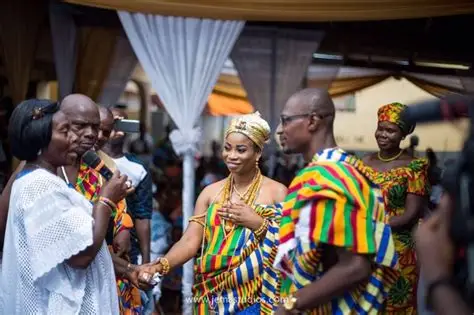
A wedding is meant to celebrate love and partnership, but when financial pressure dominates the process, it can lose its emotional significance.
The answer depends on perspective. For those who can afford it, elaborate weddings may simply be a form of expression. But for many others, the rising costs make weddings feel inaccessible and stressful.
What is clear, however, is that expectations have changed. Weddings are no longer just cultural ceremonies. They are now social events shaped by modern trends and influences.
In 2026, Ghanaian weddings are at a crossroads. While they remain beautiful and culturally rich, their growing cost is forcing couples to rethink what truly matters.
The future of weddings in Ghana may lie in balance, honoring tradition while embracing simplicity. After all, a successful marriage is not defined by how expensive the wedding was, but by the strength of the relationship that follows.
