
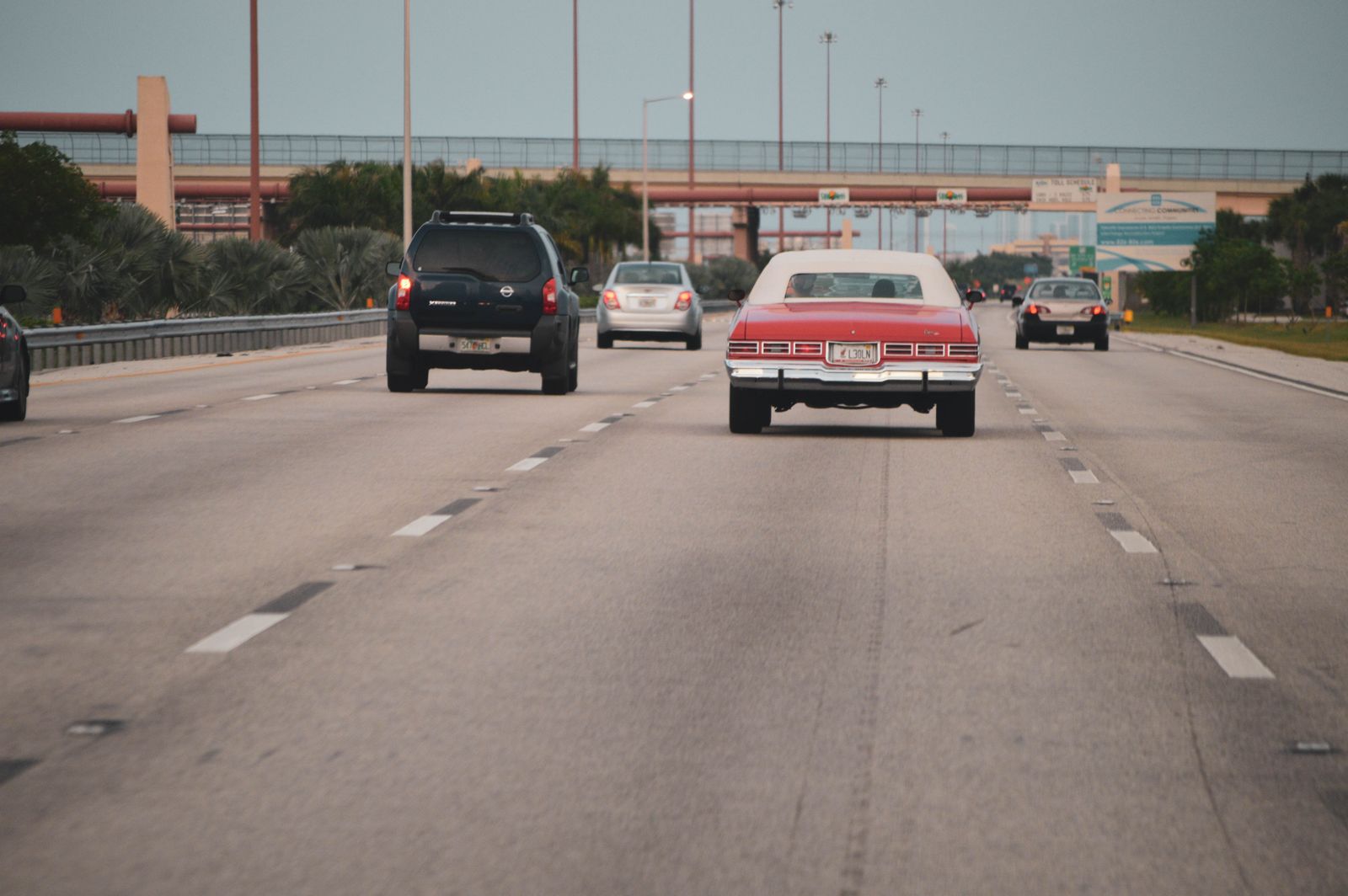
The average car insurance cost in 2026 is about $2,357 a year for full coverage, or roughly $196 a month. NerdWallet reported the figure in its November 2026 rate analysis. Minimum coverage costs far less. It averages $650 a year, or about $54 a month. Other trackers land in a similar range. Still, each one measures the market in a different way. For example, Insurance.com puts full coverage at $2,578 a year. Experian reports $2,899 a year for full coverage in its October 2026 data. Overall, a typical driver pays somewhere between $2,300 and $2,900 a year for full coverage.
Full coverage is not a single policy type. Instead, it combines liability insurance with collision and comprehensive coverage. Liability pays for damage and injuries you cause to other people. Collision pays to repair or replace your own car after a crash. Comprehensive covers theft, fire, flooding, hail and similar events. Lenders usually require full coverage on a financed car. In contrast, drivers who own an older car outright often choose liability only. As a result, that choice explains much of the gap between the two averages.
Where you live and what you drive
Where you live changes the price more than almost anything else. For example, Insurance.com found Vermont is the cheapest state for full coverage, at an average of $1,660 a year. Louisiana is the most expensive, at $3,999 a year. Experian also lists Vermont among the cheapest states, at $1,262 a year for full coverage. Maine and New Hampshire sit close behind. In addition, big cities usually cost more than rural areas in the same state. Dense traffic means more crashes. Higher theft and repair costs push premiums up as well.
Several personal factors move the price up or down. First, age matters a great deal. Teenage drivers pay the highest rates. Prices usually fall through middle age. Your driving record matters too. A recent at-fault accident, a speeding ticket or a DUI can raise a premium sharply for several years. Credit history also plays a role in most states. Insurers use credit-based insurance scores when state law allows it. NerdWallet’s analysis shows drivers with poor credit pay far more than drivers with good credit for the same coverage. The car itself matters as well. Expensive cars, sports models and vehicles that cost a lot to repair carry higher premiums. A recent Honda recall is a reminder that repair costs can rise after a safety issue.
The coverage choices you make have a direct effect. Higher liability limits cost more than state minimums. They also protect more of your assets after a serious crash. A higher deductible lowers the monthly premium. That is because you agree to pay more yourself after a claim. Dropping collision and comprehensive on an old, low-value car lowers the bill too. However, that step leaves you paying the full cost if the car is wrecked or stolen. Mileage matters as well. Low-mileage drivers often qualify for lower rates. For that reason, the car insurance cost in 2026 can vary widely even for drivers in the same state.
Why rates rose and how to lower your bill
Rates in 2026 have risen only slightly after the steep increases of 2023 and 2024. Insurify reported that prices rose about 1 percent in the first half of 2026. That is a much slower pace than the double-digit jumps of recent years. Repair costs remain the main pressure. Modern cars carry sensors, cameras and driver-assistance systems. As a result, even a minor collision can produce a large repair bill. Medical costs, which also shape health insurance costs, and legal settlements also feed into premiums. That pressure is strongest in states with high claim rates.
Drivers who want a lower bill have a few standard options. Shopping around is the most reliable one. Prices for the same driver vary widely between companies. Bundling car insurance with a home or renters policy often brings a discount. Telematics programs, which track driving through an app or a plug-in device, can lower rates for careful drivers. Safe-driver, good-student and defensive-driving discounts also help. None of these steps guarantees a specific saving. The right coverage level depends on your own finances and the car you drive.
The figures above are national averages, not quotes. Your own price could sit well above or below them. Still, the pattern is consistent across every major tracker. Full coverage costs roughly $200 a month for a typical driver. Minimum coverage costs a fraction of that. Your state, your record and your car decide where you land. In short, the car insurance cost in 2026 is shaped by where you live, how you drive and what you drive.
