
A federal judge ruled on Friday that the Trump administration unlawfully tried to overhaul a $4 billion homelessness program by steering funding away from permanent housing and toward temporary housing and supportive services. The ruling, by U.S. District Judge Mary McElroy in Providence, Rhode Island, is the latest setback for the Department of Housing and Urban Development’s efforts to change how grants are awarded through the Continuum of Care program.
The dispute centers on the program’s fiscal year 2026 funding of more than $4 billion. HUD planned to set aside $1.3 billion of that total specifically for transitional housing and supportive-services-only projects. McElroy found that HUD exceeded its authority under the McKinney-Vento Homeless Assistance Act by adding criteria that effectively let the agency bypass requirements to evaluate existing projects’ performance and move people into permanent housing.
The case was brought by 22 mostly Democratic-led states, the District of Columbia, and a coalition of homelessness and housing advocacy groups including the National Alliance to End Homelessness. McElroy had blocked similar changes in 2025 and again earlier this year, only for a federal appeals court to lift that order. After the appellate ruling, the states and groups renewed their challenge on different grounds, focusing on the $1.3 billion set-aside rather than the earlier version of the plan.
McElroy ordered HUD to let applicants amend and resubmit their grant applications through December 1, and directed the agency to make funding awards by December 31. She also struck down other parts of HUD’s plan, including a restriction on grant recipients engaging in activities targeting drug users such as needle exchanges, and a provision allowing the agency to disqualify applicants that do not adequately promote self-sufficiency.
HUD Secretary Scott Turner said the ruling “disrupts $4 billion for our most vulnerable, just days before funding awards were set to be made,” and the department is considering an appeal. The compressed timeline puts pressure on agencies that rely on the funding to keep permanent housing units open.
The Continuum of Care program is the federal government’s primary competitive grant program for addressing homelessness, and it has traditionally followed a housing-first model that prioritizes moving people into permanent housing. Under the administration’s plan, cities and counties would have been allowed to use only 30 percent of program grants for permanent housing, with the rest directed to temporary housing and outreach.
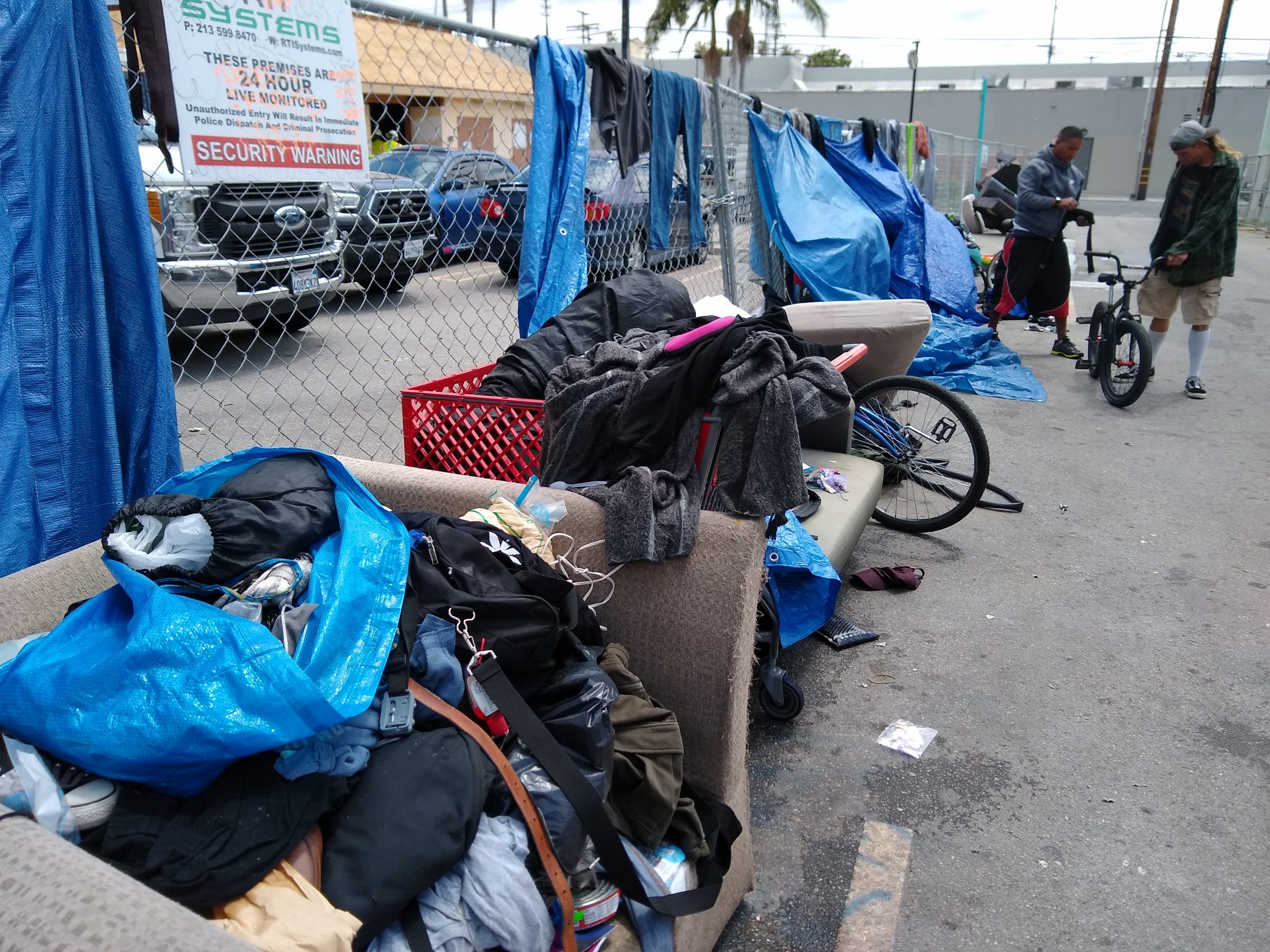
The stakes are measured in the most recent national count. The point-in-time count released in 2026 recorded 745,652 people experiencing homelessness on a single night in January 2025, including roughly 266,000 who were unsheltered. Those grants pay for the housing and services that keep people off the street, and a shift in how they are awarded changes what kind of help is available.
The ruling arrives as local crises continue to play out. In Oxnard, California, about 135 people, including children, are living on the former Halaco metal-smelting property, a Superfund site the EPA says is contaminated with lead, mercury, arsenic, ammonia and radioactive thorium and radium. The city told residents to leave by November 16, and they did not. The encampment has no electricity or sewage, and residents use water from a well, while the EPA does not expect to propose a cleanup plan for the main property until 2028.
