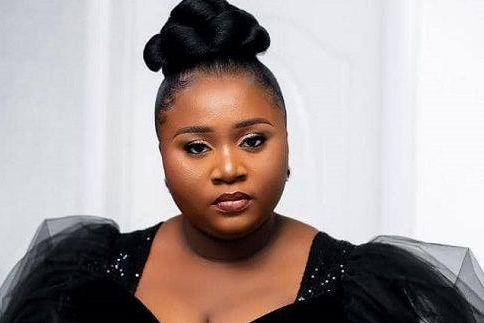
 Ghanaian media personality Vida Adutwumwaa has issued a strong rebuke to sections of the media and the public over what she describes as “reckless and degrading” commentary targeting Ghanaian women in the wake of a scandal involving a Russian national.
In a passionate response, Vida called out narratives that she says unfairly paint Ghanaian women as “cheap” or desperate, arguing that such generalizations are harmful, misogynistic, and deeply disrespectful.
The controversy erupted after reports circulated about a Russian man allegedly involved in questionable dealings connected to Ghana. As discussions spread across social media and talk shows, some commentators began making sweeping claims about Ghanaian women, sparking outrage.
Vida Adutwumwaa firmly pushed back against the rhetoric.
“Stop branding Ghanaian women as cheap because of one situation,” she stressed, emphasizing that millions of hardworking, dignified women should not be reduced to stereotypes based on isolated incidents.
Vida also criticized segments of the media for amplifying sensational angles instead of approaching the story with balance and responsibility. According to her, the framing of headlines and panel discussions has fueled damaging perceptions rather than addressing the core issues of the scandal.
She urged journalists and commentators to be mindful of how narratives can shape public opinion and affect reputations particularly when they target women as a collective.
The debate has since evolved into a wider discussion about how Ghanaian women are portrayed in media spaces, especially in stories involving foreign nationals. Many social media users have echoed Vida’s stance, arguing that economic hardship or isolated personal choices should never justify degrading an entire gender.
Others have called for more nuanced reporting that avoids moral panic and victim-blaming.
For Vida Adutwumwaa, the issue goes beyond a single scandal. It is about dignity, national image, and the protection of women from harmful stereotypes.
Her statement has resonated strongly online, reigniting conversations about responsible journalism, gender respect, and the power of words in shaping societal attitudes.
As the discussion continues, one message rings clear from her response: Ghanaian women deserve respect not reckless labels.
