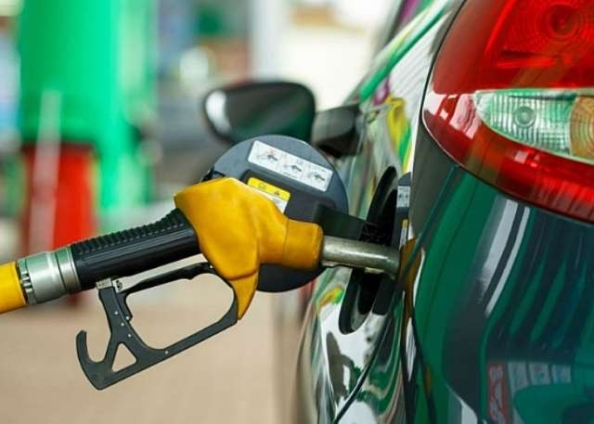
Some Oil Marketing Companies (OMCs) have begun adjusting fuel prices at pumps starting the morning of February 16, 2026, following industry projections indicating that petroleum product prices could increase by between 1% and over 3% per litre.
Checks conducted on February 16 show that GOIL has raised its petrol price to GH¢10.24 per litre, up from GH¢9.99. Diesel prices have also increased, moving from GH¢11.90 to GH¢12.83 per litre. GOIL noted that these figures reflect discounted prices offered at 200 service stations nationwide, suggesting that prices at other stations could be higher. The move indicates that GOIL has complied with the National Petroleum Authority (NPA) price floor for petrol but has priced diesel above the prescribed floor.
Market leader Star Oil has similarly announced increases in petroleum product prices at its service stations nationwide, effective 8:00 a.m. on February 16. Petrol has been raised from GH¢9.99 to GH¢10.24 per litre, while diesel prices have also been adjusted, though checks show Star Oil’s diesel price is slightly above the NPA-approved price floor. A closer look indicates that while Star Oil adhered to the petrol price floor, it has set diesel prices marginally above the floor.
JOYBUSINESS reports that other major OMCs have indicated they will implement similar price adjustments throughout the day. With strict enforcement expected around the NPA price floor, it appears no operator can price petrol below GH¢10.24 or diesel below GH¢11.34.
According to the Chamber of Oil Marketing Companies (COMAC), the projected price increases are mainly driven by the depreciation of the Ghanaian cedi against the US dollar in January and February 2026, as well as rising international crude oil and finished petroleum product prices.
Reasons for the increase
COMAC explained that the cedi has been under pressure since January 1, 2026, due to increased demand from businesses restocking for the year and multinational companies making foreign transfers, including dividend payments. The Bank of Ghana’s January economic and financial data indicates the cedi depreciated by about 4% against the US dollar during this period, while some commercial banks report a depreciation rate of 4.16%.
International crude oil prices have surged more than 5%, trading near $70 per barrel. Finished petroleum products have also increased, with petrol up 4.17%, gas oil up 5.57%, and LPG up 6.18%, JOYBUSINESS reports.
COMAC further stated that it has received assurances from the Bank of Ghana that the central bank remains focused on maintaining price stability while supporting economic growth.
