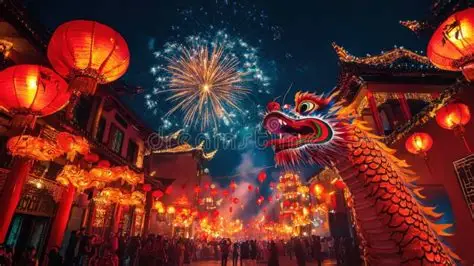
Chinese New Year 2026: Traditions, Celebrations, and Cultural Significance
Chinese New Year, also called the Spring Festival, is the most important holiday in China and for Chinese communities worldwide. It marks the start of the lunar new year. It is a time for family gatherings, cultural traditions, and festive celebrations. Families decorate their homes, share special meals, and celebrate with fireworks, dances, and other traditions that bring luck and prosperity for the year ahead.
In 2026, the Chinese New Year continues to trend globally as communities honor ancient customs while blending modern festivities.
When and How It’s Celebrated
Chinese New Year 2026 begins on February 17 and lasts for 15 days, culminating in the Lantern Festival. Each year, the Chinese zodiac assigns one of 12 animals, shaping traditions, celebrations, and even horoscopes.
During this period, families gather for reunion dinners, exchange red envelopes filled with money (known as “hongbao”), and decorate homes with red lanterns and spring couplets to symbolize luck and prosperity.
Key Traditions and Customs
Several traditions make the Chinese New Year a unique and meaningful celebration. Family reunions are central to the holiday, with the annual reunion dinner on New Year’s Eve serving as the highlight of the festival. Fireworks and firecrackers are set off to scare away evil spirits and welcome the new year with energy.
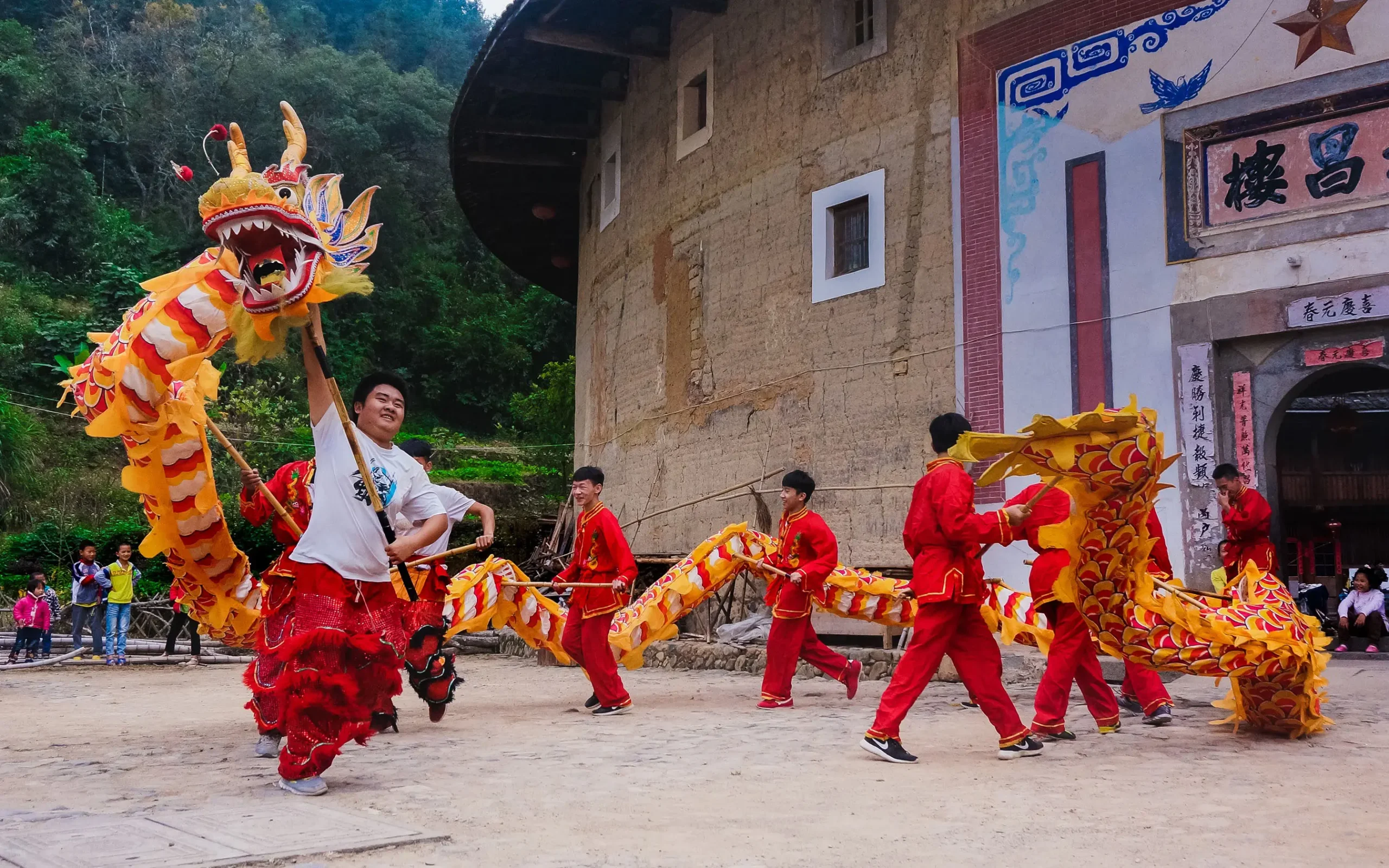
Performers bring good luck and happiness to the streets and public areas with lion and dragon dances. Families decorate homes and public spaces with red ornaments to invite good fortune, joy, and protection from bad luck. Additionally, each year’s zodiac animal sign plays an important role, influencing cultural practices, superstitions, and celebrations throughout the festival.
Modern celebrations often blend these traditions with parades, concerts, and digital greetings, creating a vibrant fusion of old and new.
Global Celebrations
Chinese New Year is not limited to China. Cities around the world, including New York, London, Singapore, and Sydney, host parades, festivals, and cultural events. Communities showcase traditional performances, cuisine, and art, making it one of the most widely celebrated lunar holidays worldwide.
Social media and trending online content highlight both family-centered practices and public spectacles, helping share the cultural richness of the Chinese New Year with global audiences.
Cultural Significance
Beyond festivities, the Chinese New Year emphasizes family unity, respect for ancestors, and the hope for a prosperous year ahead. It reinforces cultural identity and provides an opportunity for reflection, gratitude, and renewal.
The holiday also plays a key role in promoting Chinese culture internationally, making it an enduring symbol of tradition and global cultural exchange.