
 The Nipah virus (NiV) is one of the world’s most dangerous zoonotic diseases, known for its high fatality rate and potential to cause serious outbreaks. First identified in 1999, the virus continues to pose a public health threat, particularly in parts of South and Southeast Asia. Health authorities closely monitor Nipah outbreaks due to their severity and the lack of a specific cure or vaccine.
What Is the Nipah Virus?
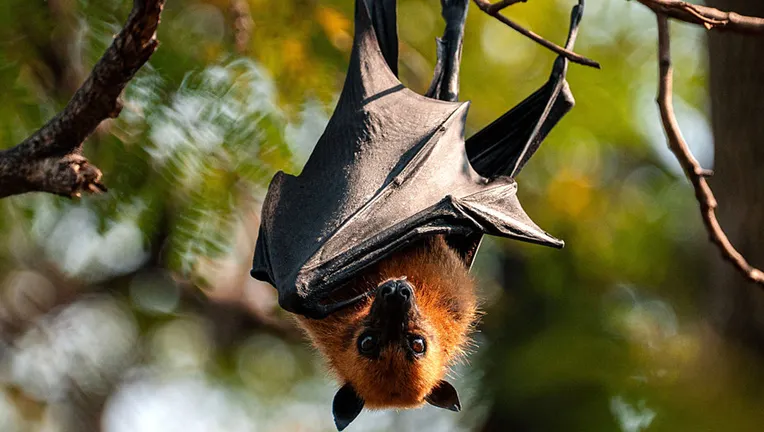
Nipah virus is a zoonotic virus, meaning it spreads from animals to humans. Fruit bats of the Pteropus species also known as flying foxes are the natural carriers of the virus. Humans can become infected through direct contact with infected animals, consumption of contaminated food, or close contact with an infected person.
How Does Nipah Virus Spread?
Nipah virus can spread in several ways:
-
Animal-to-human transmission: Through contact with infected bats or pigs, or by consuming food contaminated with bat saliva or urine (such as raw date palm sap).
-
Human-to-human transmission: Via close contact with bodily fluids, respiratory droplets, or contaminated surfaces.
-
Healthcare settings: Infection can spread if proper protective measures are not followed.
Because of its ability to spread between people, Nipah virus outbreaks can escalate quickly.
Symptoms of Nipah Virus Infection
Symptoms usually appear between 4 to 14 days after exposure but may take longer in some cases. Early symptoms often resemble common viral illnesses, which makes early detection difficult.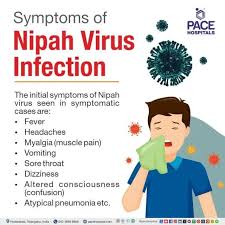
Early symptoms include:
-
Fever
-
Headache
-
Muscle pain
-
Sore throat
-
Vomiting
As the disease progresses, it can lead to severe and life-threatening complications, such as:
-
Acute respiratory distress
-
Encephalitis (inflammation of the brain)
-
Confusion or disorientation
-
Seizures
-
Coma
The disease has a high mortality rate, with fatality estimates ranging from 40% to 75%, depending on the outbreak and healthcare response.
Why Is Nipah Virus So Dangerous?
Several factors make Nipah virus especially deadly:
-
No specific treatment or vaccine: Care is largely supportive.
-
Rapid disease progression: Severe symptoms can develop quickly.
-
High fatality rate: Among the highest of known viral infections.
-
Potential for outbreaks: Human-to-human transmission raises pandemic concerns.
Because of these risks, the World Health Organization lists Nipah virus as a priority pathogen.
Prevention and Control Measures
Preventing Nipah virus infection relies heavily on public awareness and infection control practices:
-
Avoid consumption of raw or unprocessed foods that may be contaminated by bats
-
Limit contact with sick animals
-
Practice good hand hygiene
-
Use protective equipment in healthcare settings
-
Isolate infected individuals and trace contacts during outbreaks
Early detection and rapid response are critical in controlling the spread.
Global Concern and Ongoing Research
Although outbreaks are relatively rare, Nipah virus remains a serious global health concern. Researchers are actively working on vaccines, antiviral treatments, and improved surveillance systems to prevent future outbreaks.
Nipah virus is a rare but deadly threat that demands vigilance, preparedness, and public awareness. Understanding its symptoms, risks, and modes of transmission is essential for preventing outbreaks and protecting public health. As global travel and human–animal interaction increase, continued monitoring and research are vital to stopping this deadly virus before it spreads further
