
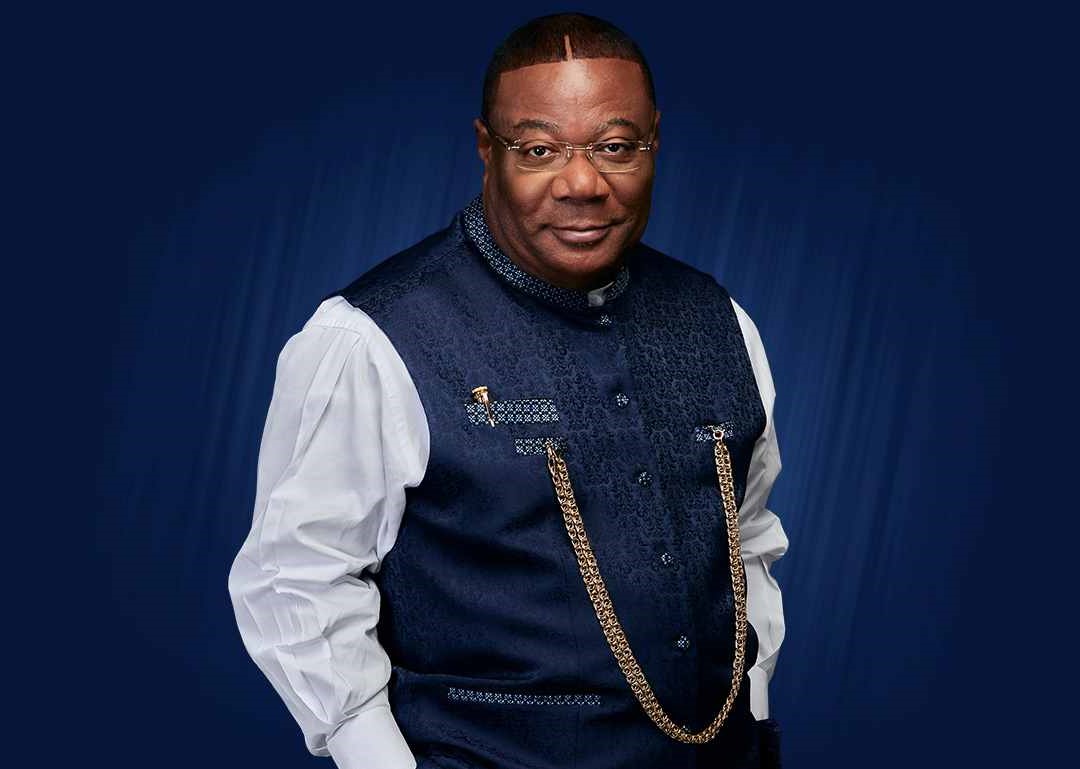
 Archbishop Nicholas Duncan Williams, founder and General Overseer of Action Chapel International, has sparked widespread discussion after stating that many adults remain unmarried today not simply because of financial or societal pressures, but because they are not prepared for the responsibilities that marriage demands.
Speaking in a televised interview on TV3, the respected clergyman clarified that being “marriage material” goes beyond love or the ability to pay for a wedding. Instead, he emphasized that marriage requires purpose, preparation, responsibility, and maturity.
Duncan Williams stressed that marriage is not merely an emotional or romantic contract. Drawing on biblical principles, he noted that Scripture describes marriage as a purposeful institution, one rooted in duty, stewardship, and shared responsibility. He also clarified that his remarks were not about specific financial benchmarks, such as having a set amount of money before getting married, but instead about the capacity to provide, commit, and lead in marital roles.
The archbishop’s comments highlighted a distinction that resonated with many: there is a difference between being biologically an adult and being marriage material.
Duncan Williams pointed out that neither men nor women are automatically ready for the roles of husband, wife, or parent simply by reaching adulthood. Instead, these roles require intentional growth and preparation.
The archbishop also called attention to broader societal gaps, including the lack of structured education on marriage, family life, and parenting. He urged parents, schools, and religious institutions to take a more active role in coaching young men and women not just academically, but in emotional and relational preparedness.
According to Duncan Williams, when individuals cannot adequately take care of themselves, it becomes even more difficult for them to handle the added responsibility of caring for a spouse or children.
His comments have ignited social media buzz and public debate across Ghana, with supporters affirming the need for deeper life preparation and critics questioning whether the emphasis on readiness may inadvertently discourage marriage altogether.
Whether seen as tough love or practical wisdom, Duncan Williams’ remarks underscore a growing conversation about what it truly means to be ready for marriage beyond ceremonies, beyond love, and beyond tradition.
