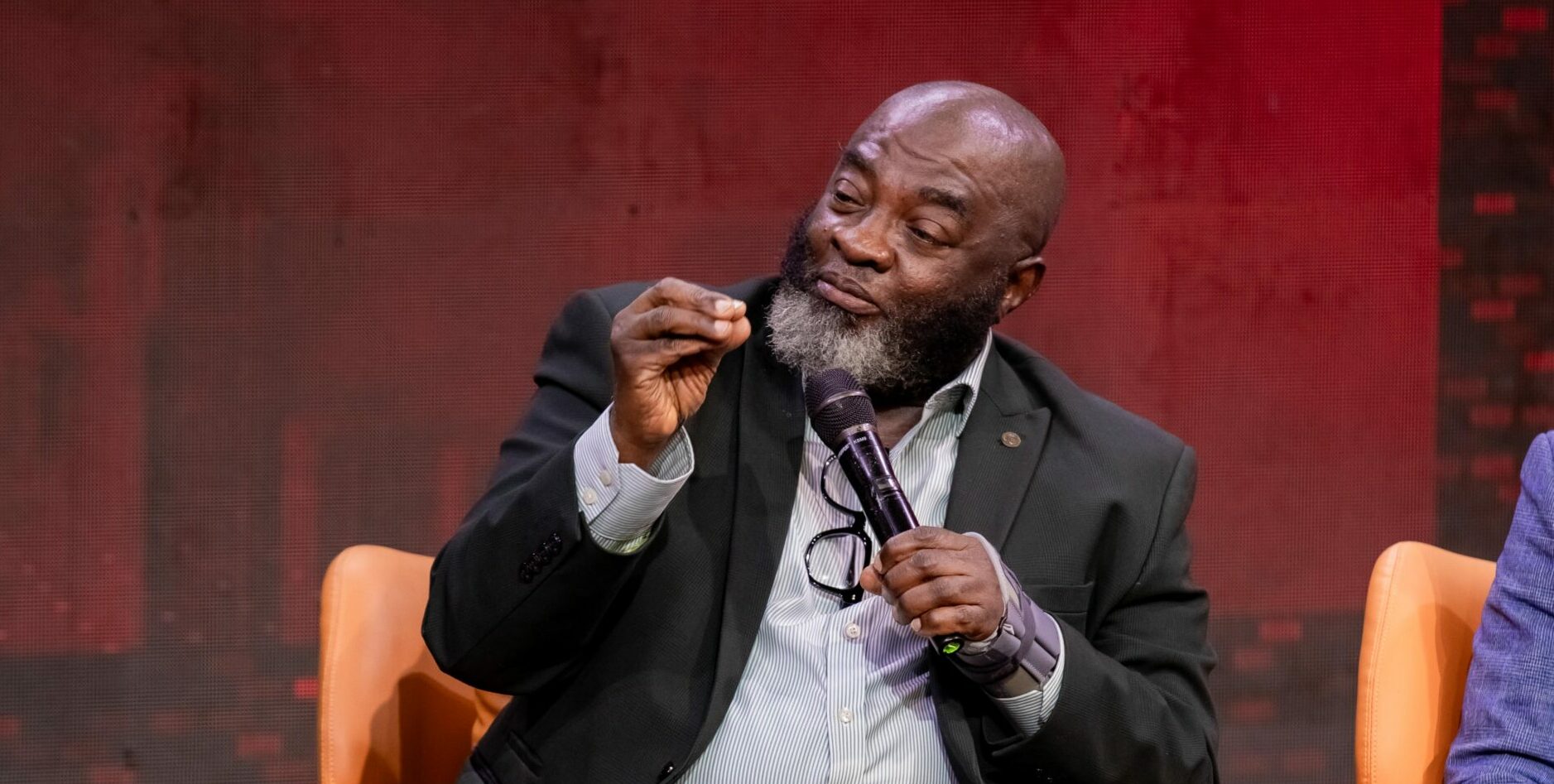
 Ghana’s persistent transport sector challenges are largely the result of weak regulatory frameworks and excessive political interference, according to legal practitioner and governance expert, Godfred Yeboah Dame Ofosu-Dorte.
Speaking on the state of the country’s transport system, Ofosu-Dorte argued that successive governments have failed to build strong, independent institutions capable of regulating the sector effectively, leaving it vulnerable to inefficiencies, safety concerns, and poor service delivery.
According to him, political considerations often override technical and professional decision-making in the planning, management, and regulation of transport infrastructure. This, he noted, has resulted in inconsistent policies, abandoned projects, and a lack of long-term strategic planning. His remarks come against the backdrop of a deepening transport crisis in Accra, leaving commuters stranded in long queues, especially during peak hours, in their bid to reach their destinations.
He pointed to the road transport sector as a clear example, where poor enforcement of safety regulations continues to contribute to high accident rates. Despite the existence of laws governing vehicle standards, driver conduct, and road usage, enforcement remains inconsistent, allowing indiscipline to thrive.
Ofosu-Dorte also raised concerns about urban transport management, particularly in major cities such as Accra and Kumasi. He noted that the absence of integrated transport planning has led to chronic congestion, unreliable public transport services, and increased economic losses due to lost productivity.
He stressed that Ghana’s growing population and urbanization make it urgent for authorities to adopt evidence-based transport policies, supported by strong regulatory institutions with the autonomy to operate without political interference.
Speaking on the Citi Breakfast Show on Thursday, January 15, 2026, Mr. Ofosu-Dorte said political interference in the organization and regulation of public transport has undermined efficiency, scheduling, and service quality, contributing to the current transport difficulties, particularly in urban centers.
Tracing the issue back to the early 1970s, Mr. Ofosu-Dorte recalled that successive governments made attempts to address public transport challenges through the creation of state-backed institutions.
He explained that in 1974, the government established bodies such as the Omnibus Licensing Authority and the Winneba Services Authority, whose bus operations later evolved into what is now Metro Mass Transit Limited. 
According to him, although bus services were introduced, the accompanying regulatory framework was not fully implemented before a change in government, weakening the sustainability of the system.
To address the challenges, Ofosu-Dorte called for comprehensive reforms, including strengthening regulatory agencies, professionalizing leadership within the sector, and ensuring continuity in transport policies regardless of changes in government.
He further emphasized that an efficient transport system is critical to economic growth, road safety, and national development, urging policymakers to treat transport reform as a priority rather than a political tool.
