

A major change in the regulation of higher education in Ghana has been brought about by the Ghana Tertiary Education Commission’s (GTEC) increased regulatory enforcement against unaccredited tertiary institutions and programs.

This action is being taken in response to national concerns about academic fraud, student exploitation, and the distribution of false credentials.
A postsecondary institution’s compliance with basic requirements for academic programs and institutional governance is confirmed through accreditation, which acts as a quality assurance system. Many students have recently had to deal with the fact that degrees and certifications from unaccredited organizations are not recognized for employment, further study, or professional license without GTEC’s approval.
A number of these unaccredited institutions, including the Otumfuo Osei Tutu College of Health in Kumasi, whose programs lack a formal accreditation status and whose awards are not recognized by employers or other educational authorities, have been highlighted in recent public notices from GTEC.
Public warnings, legal action, and collaboration with law enforcement agencies have all been part of GTEC’s enforcement strategy:
Arrests related to unaccredited operations: Ghana Police CID officers and officials from the Nyarkotey College of Holistic Medicine Study Center were detained for operating without the required accreditation and neglecting to provide verification documentation.
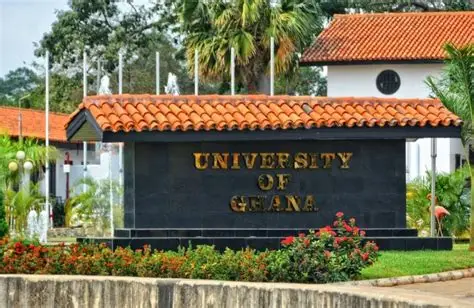
Alerts on unaccredited University of Ghana (UG) learning centers: GTEC found six UG learning centers in places including Koforidua, Tamale, and Wa that are not accredited, warning that diplomas earned there will not be accepted for employment or additional education.
Closure of training institutes: After learning that the Royal Nursing College in Kumasi’s accreditation had lapsed for almost four years, which had an impact on enrolled students and necessitated corrective action in cooperation with mentor institutions, the Commission ordered the college’s immediate closure.
Public alerts on 50 unaccredited colleges: GTEC has released the names of several postsecondary institutions that have been determined to have violated accreditation standards. The public is advised not to enroll in or recognize these institutions.
These swift measures are intended to safeguard students from academic fraud, guarantee the caliber of postsecondary education options, and maintain the legitimacy of Ghana’s higher education system.
