


Charles Asiedu, Member of Parliament for Tano South and member of Parliament’s Energy Committee, has called for an urgent national effort to revive the state-owned Ghana Cylinder Manufacturing Company Limited (GCMC), emphasizing its key role in advancing Ghana’s clean cooking agenda and supporting local industry.
In a statement to Parliament, Mr. Asiedu highlighted GCMC’s strategic function in producing and distributing safe, affordable LPG cylinders, cookware, and related accessories for both domestic use and export. He stressed that revitalizing the company is vital for reducing household dependence on firewood and charcoal, protecting forests, improving indoor air quality, and meeting Ghana’s climate commitments.
“Reviving the Ghana Cylinder Manufacturing Company is not just about rescuing a struggling firm; it is about securing our clean energy future and protecting public health,” he told lawmakers.
While LPG already serves as the primary cooking fuel for about 40% of Ghanaians, Mr. Asiedu noted that the country aims to reach 50% LPG penetration by 2030. Achieving this will require a resilient local supply chain and expanded access, particularly in rural areas where LPG usage remains low.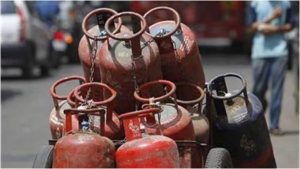
The MP reviewed GCMC’s recent challenges, including financial losses in 2021, the 2023 acquisition by Ghana Gas Company Limited to stabilize operations, and the ongoing need for a broader recovery plan. He welcomed the Ministry of Energy and Green Transition’s Joint Project Implementation Committee but emphasized that further interventions are necessary.
Mr. Asiedu proposed a multi-pronged revitalization plan, including:
- Targeted government capital injections to modernize production lines.
- Strategic partnerships and joint ventures with private LPG marketers.
- Government procurement policies favoring locally manufactured cylinders and accessories.
- Leveraging the African Continental Free Trade Area (AfCFTA) to expand regional markets.
- Sustained public awareness campaigns on the benefits of LPG.
- Stronger performance-based accountability within state-owned enterprises.
“These measures will not only revive a critical industrial asset but also create jobs, boost local manufacturing, and help Ghana achieve its 2030 clean cooking goals,” he said.
Mr. Asiedu also highlighted the broader climate and health benefits of promoting clean cooking, noting that universal access to clean energy could cut global emissions by approximately 1.5 gigatons by 2030, a potential opportunity for Ghana to lead the region in climate-smart energy solutions.
He urged Parliament, the Executive, and private stakeholders to treat the revival of GCMC as an urgent national priority.
