

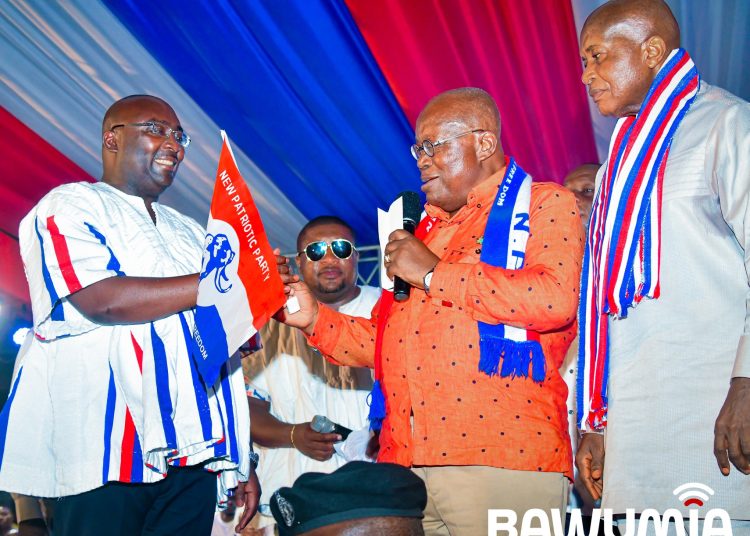
 As the New Patriotic Party (NPP) gears up for its 2026 flagbearer race, a pivotal question is emerging within the party: Will Vice President Mahamudu Bawumia’s future be shaped by principle or by past political calculations? This question is more than personal; it speaks to the soul of the party and the choices that will define Ghana’s political trajectory.
Bawumia, as a central figure in the NPP and Ghanaian politics for nearly two decades, carries with him a record that resonates with both achievement and controversy. His technocratic approach as Vice President and his stewardship of economic and digital transformation initiatives have earned him recognition domestically and internationally. Yet, with the 2026 election approaching, some within the party question whether past alliances, decisions, or compromises will shadow his path to the top ticket.
The tension is clear: will the NPP rally around experience and loyalty, or will it demand a new form of leadership rooted in principle and reform-minded action? This question is not unique to Bawumia but is emblematic of a party at a crossroads.
For Bawumia, principle might mean taking firm stances on issues like economic policy, governance reforms, and party accountability, even if these positions create internal friction. Political past, however, refers to the complex web of alliances, compromises, and historical decisions that could either bolster or hinder his appeal among delegates.
Observers suggest that navigating this balance will be crucial. Party members will weigh performance in office, loyalty to party values, and personal credibility against the backdrop of Ghana’s evolving political expectations. For the NPP, the stakes are not just about winning the flagbearer slot they are about preserving party cohesion and appealing to an electorate hungry for principled leadership.
Ultimately, the “Bawumia question” is a reflection of a broader challenge facing the NPP: Should the party lean on the comfort of past political calculations, or should it embrace principle-driven leadership that may redefine its identity?
As the 2026 flagbearer race draws near, delegates, party activists, and Ghanaian voters alike will be watching closely. Bawumia’s path and the NPP’s choice could well determine the party’s future, not just for the next election, but for the next generation of Ghanaian politics.
In this moment, principle and past are not mutually exclusive, but the party must decide which will guide its trajectory. For Bawumia, the challenge is clear: navigating the fine line between what is politically expedient and what is morally and ethically principled.
