

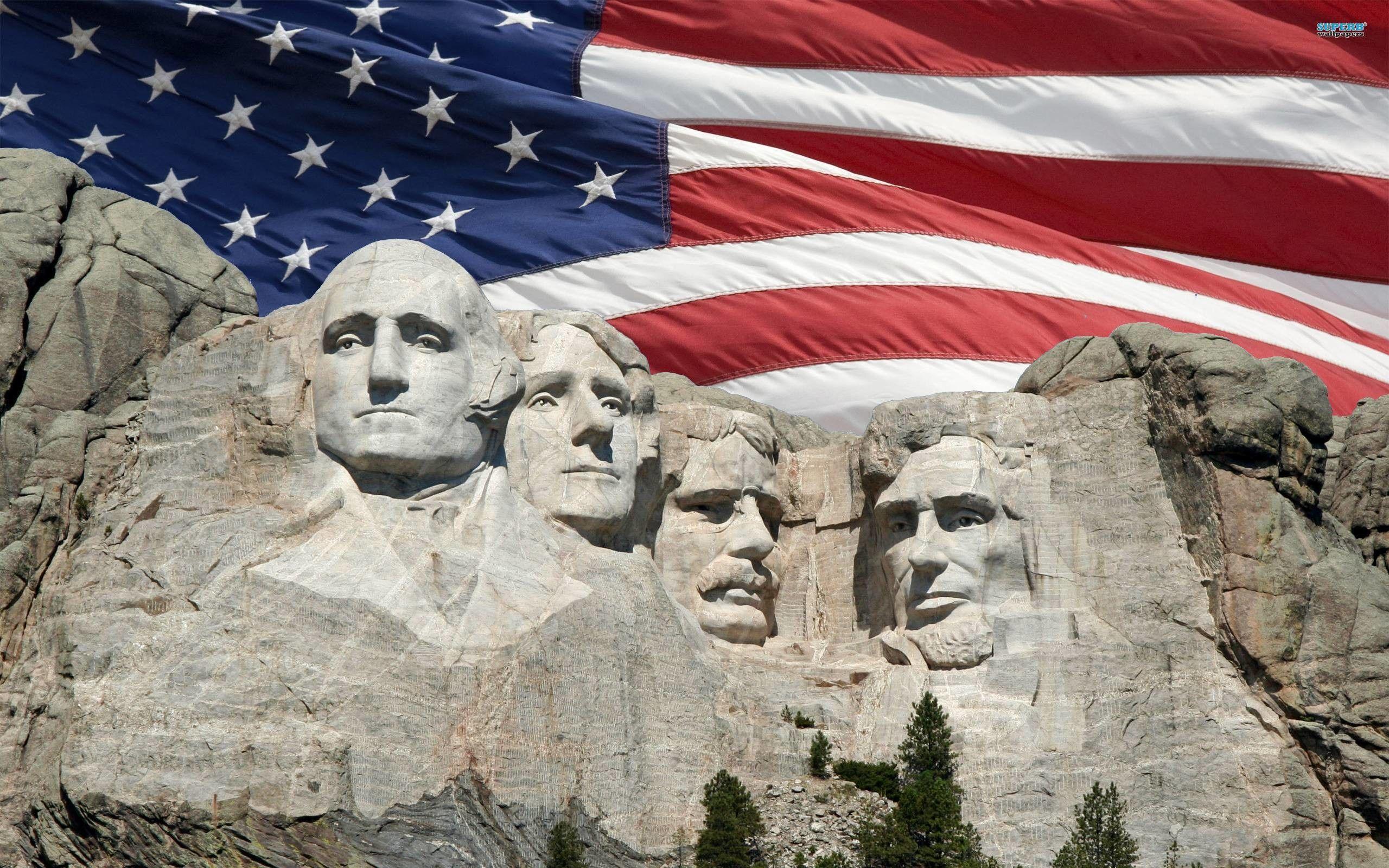
President’s Day 2026: History, Meaning and Modern Celebrations
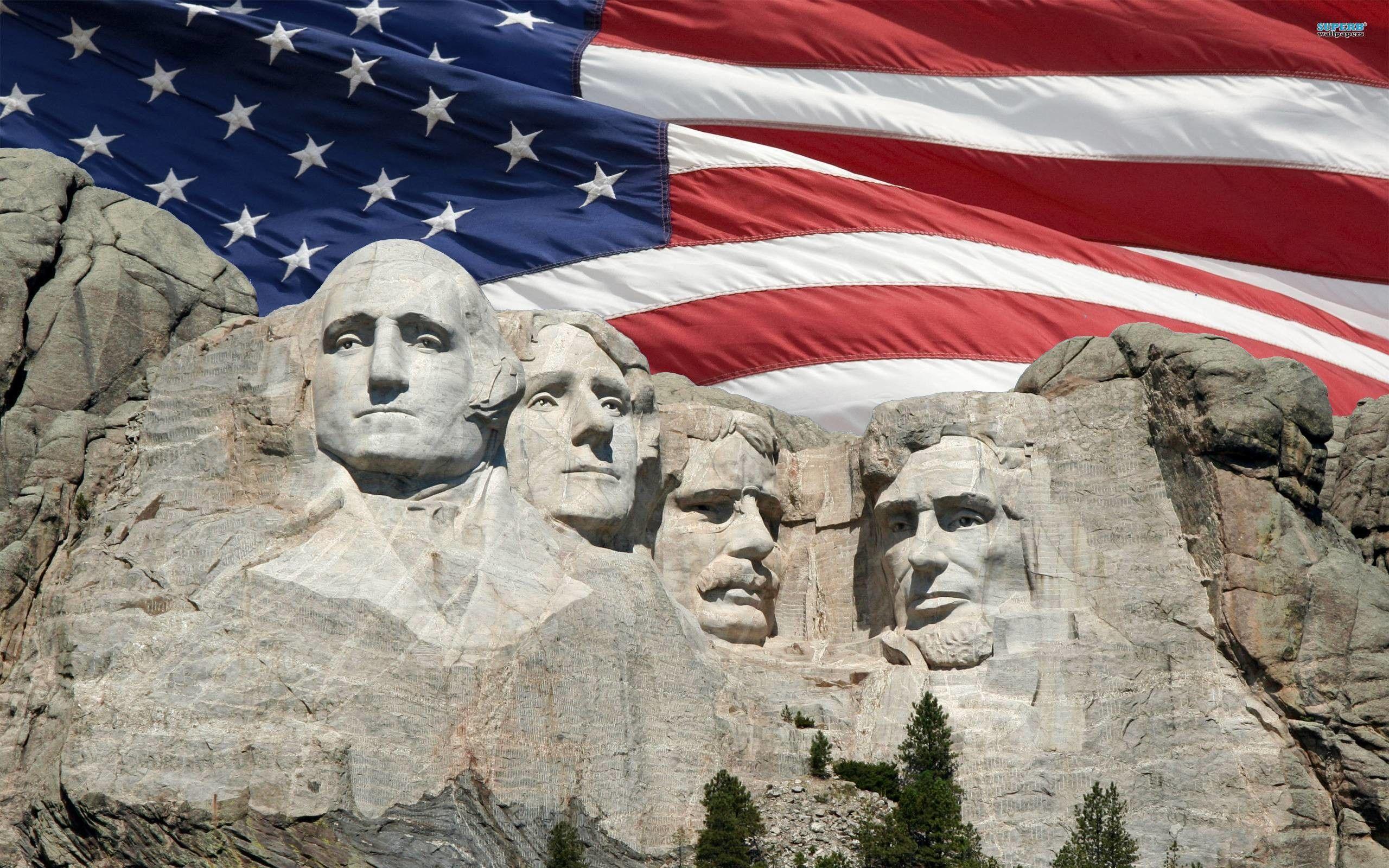
Presidents’ Day is one of the most recognized federal holidays in the United States. Celebrated on the third Monday of February, the holiday honors America’s presidents, past and present, while also marking one of the busiest retail weekends of the year.
In 2026, Presidents’ Day continues to spark conversations about history, civic responsibility, and how Americans remember their leaders.
The Origins of Presidents’ Day
Presidents’ Day originally began as a celebration of George Washington’s birthday. Born on February 22, 1732, Washington was widely admired for his leadership during the American Revolution and his role in shaping the presidency. In 1879, Washington’s Birthday became a federal holiday. Later, the Uniform Monday Holiday Act shifted the observance to the third Monday in February, creating a long weekend for workers. Over time, the holiday evolved to honor not just Washington but also Abraham Lincoln and other U.S. presidents.
Although the official federal name remains “Washington’s Birthday,” the term “Presidents’ Day” became popular through marketing and common usage.
Why Presidents’ Day Still Matters
Trending discussions around Presidents’ Day often focus on how the nation evaluates presidential legacies. As debates about leadership, democracy, and governance continue, the holiday provides an opportunity to reflect on the evolving role of the presidency.
The office has changed significantly since Washington’s time. Modern presidents face global challenges, technological shifts, and intense media scrutiny.
