

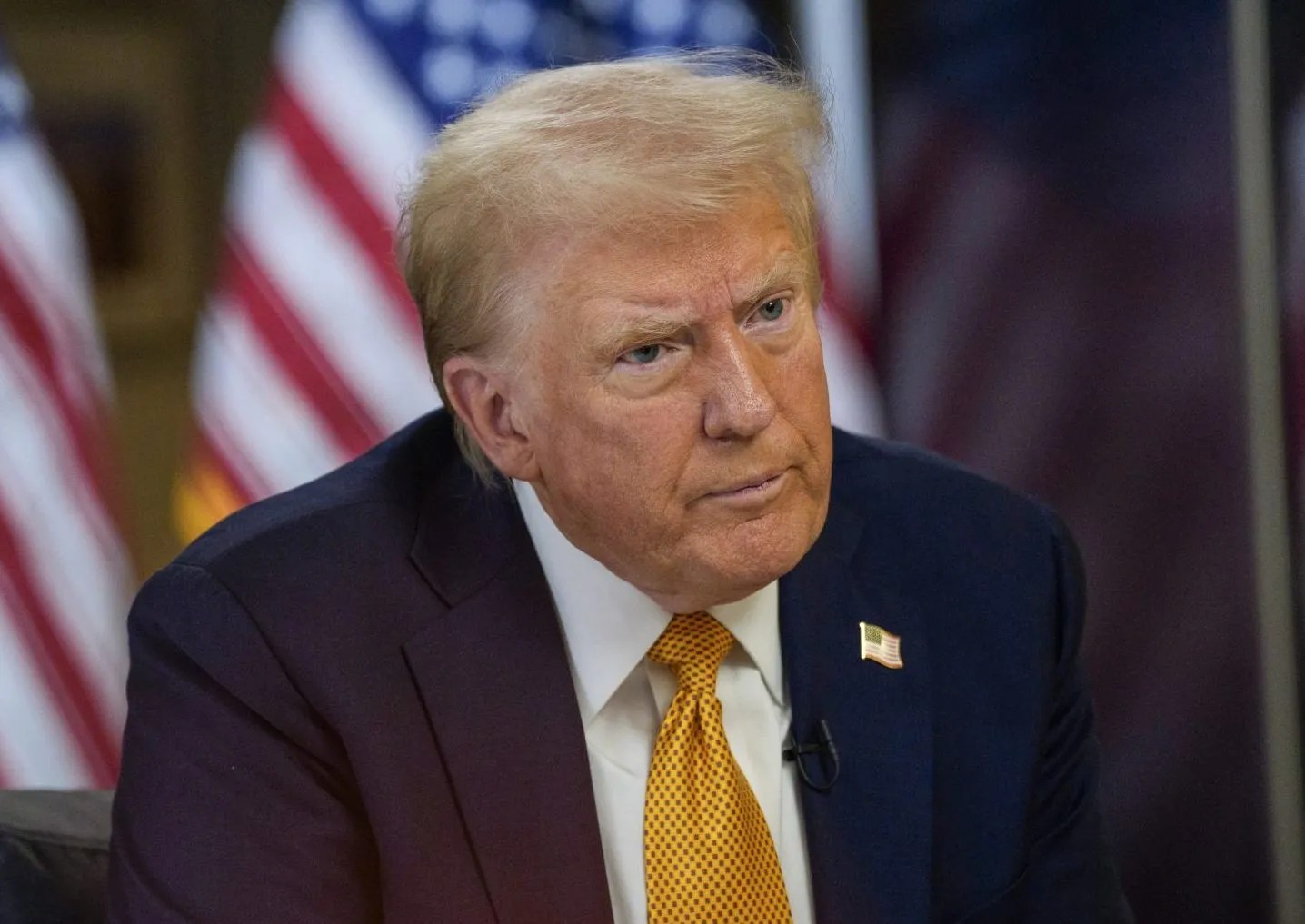
Oil prices surged again after US President Donald Trump renewed threats to strike Iran “extremely hard” in the coming weeks, while offering no clear plan for ending the conflict, according to BBC News.
Brent crude briefly climbed above $109 (£82) per barrel following Trump’s White House address, triggering declines across stock markets in the US, Europe, and Asia. During the speech, Trump said the US would achieve its military objectives “very shortly” and warned of intensified bombing over the next two to three weeks.
Earlier in the day, oil prices had dipped below $100 amid expectations that Trump might outline an exit strategy. Instead, he reiterated previous positions, disappointing markets and reversing earlier optimism.
The ongoing war with Iran has significantly disrupted global energy supplies. Shipments through the Strait of Hormuz a critical oil transit route have largely halted after Iran threatened tanker attacks in response to US-Israeli strikes that began on 28 February.
Trump argued that the US does not rely on Middle Eastern energy and called on other nations to intervene and secure the waterway. He urged countries affected by fuel shortages to take action themselves, suggesting they should escort shipments through the strait.
Markets reacted immediately. Brent crude rose more than 8% before easing slightly, while US benchmark West Texas Intermediate briefly exceeded $110 per barrel before retreating.
Analysts say the price spike reflects fading hopes for a near-term ceasefire. Alberto Bellorin of InterCapital Energy described the movement as a “market reality check,” noting the absence of a clear timeline for reopening the Strait of Hormuz. He warned that normal conditions may take months, not weeks, to return.
Although Trump claimed oil and gas flows would resume quickly after the war, experts remain skeptical. Anne-Sophie Corbeau, formerly of BP, said damage to Gulf energy infrastructure could take three to five years to repair. She also noted that shipping costs through the strait have surged, with fees reportedly around $2 million per vessel a potentially long-term burden for global trade.
Stock markets showed mixed reactions. In the US, the S&P 500 and Nasdaq ended slightly higher despite earlier losses, while the Dow Jones edged down. In Europe, the UK’s FTSE 100 recovered to close higher, but France’s CAC and Germany’s DAX finished lower.
Asian markets were hit harder, reversing earlier gains. Japan’s Nikkei 225 fell 2.4%, and South Korea’s Kospi dropped 4.5%, highlighting the region’s vulnerability due to its heavy dependence on Middle Eastern energy.
Overall, the conflict continues to fuel volatility in both energy and financial markets, with uncertainty over supply disruptions and the war’s trajectory weighing heavily on global sentiment.
