

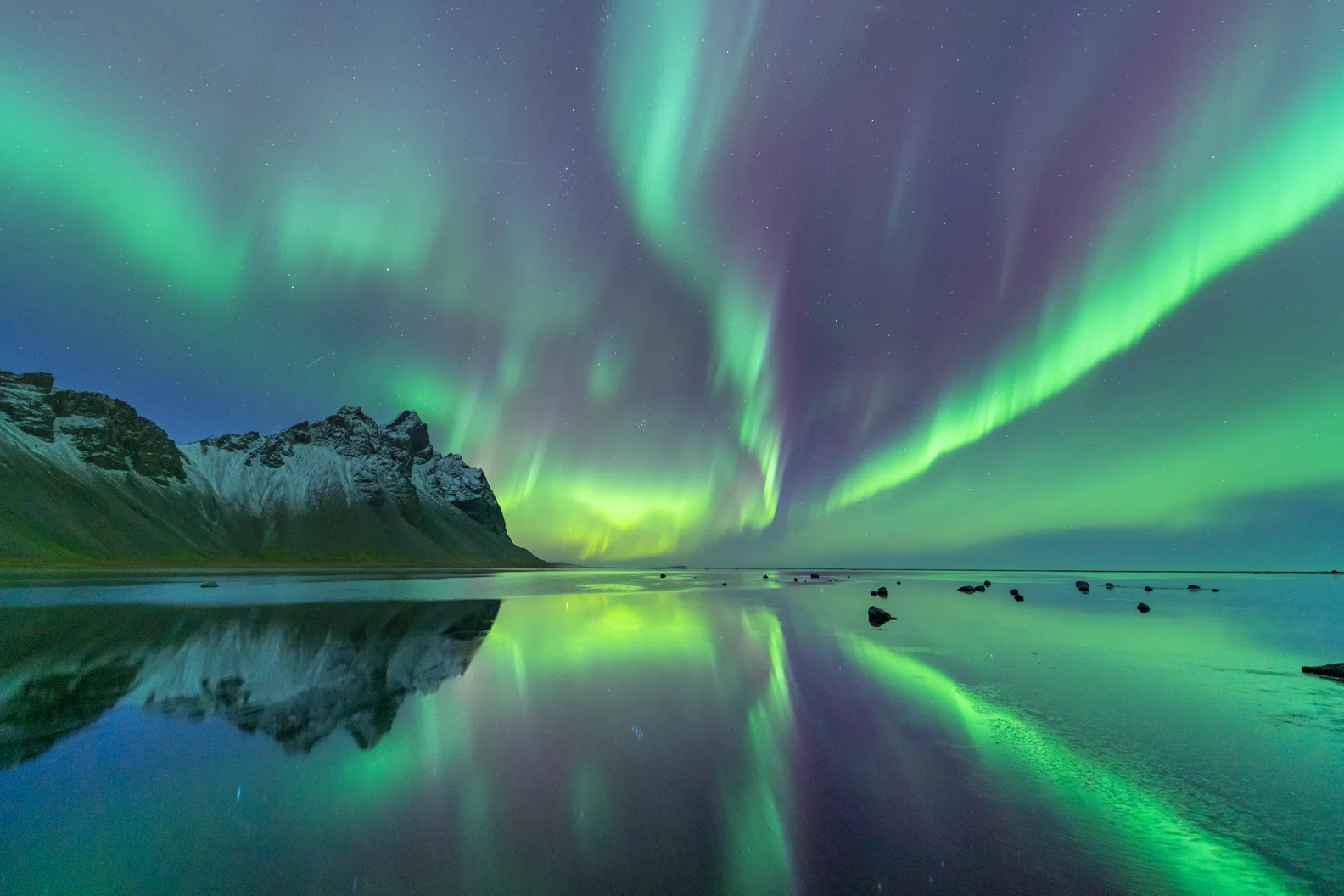
Northern Lights: Why the Aurora Borealis Continues to Captivate the World
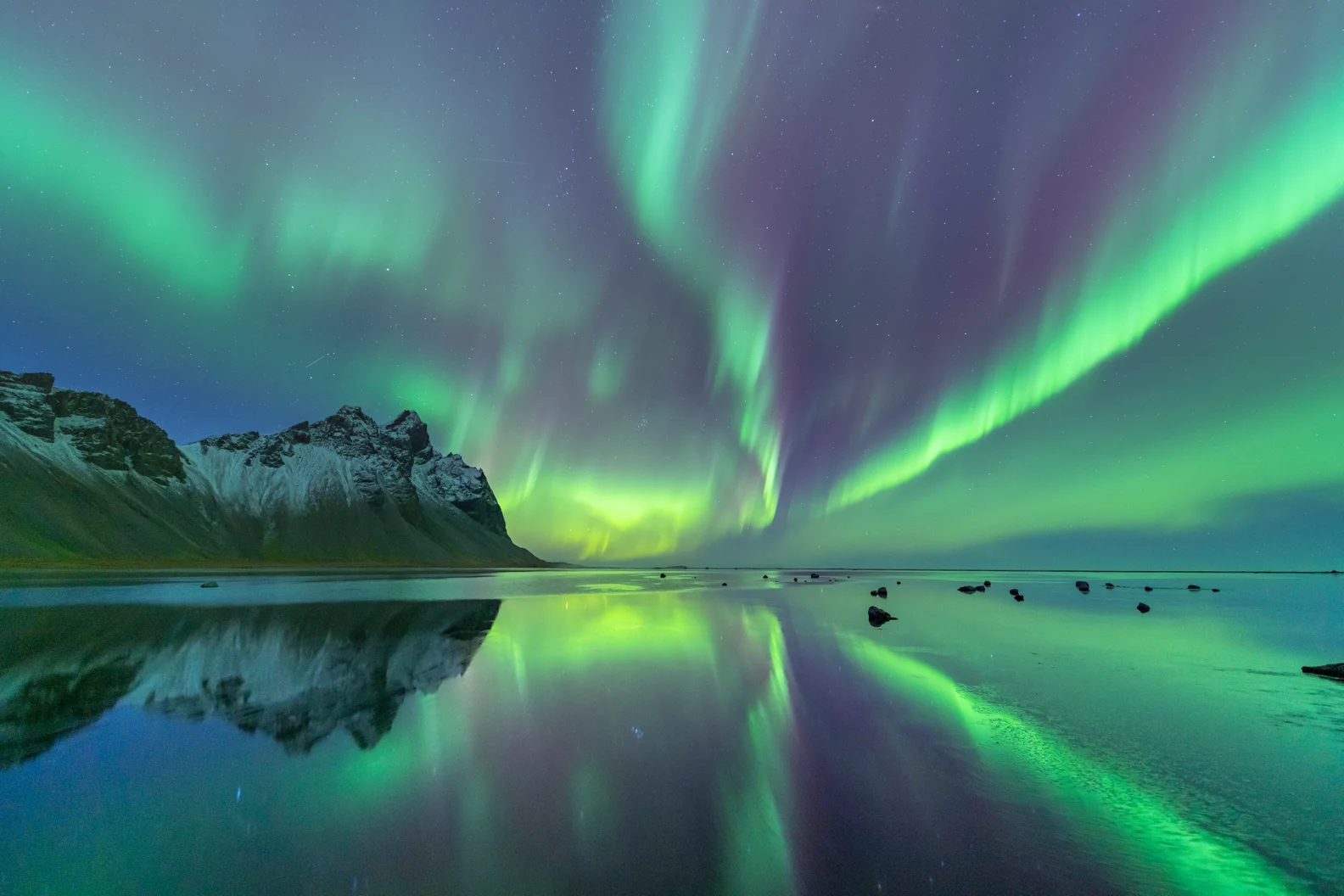
The Northern Lights, also known as the Aurora Borealis, are among the most breathtaking natural phenomena on Earth. Appearing as waves of green, purple, and pink light dancing across dark skies, the aurora has fascinated scientists, travelers, and skywatchers for centuries. In recent years, increased solar activity and viral photography have brought renewed global attention to this stunning celestial display.
What Causes the Northern Lights?
The Northern Lights occur when charged particles from the sun collide with gases in Earth’s atmosphere. These particles travel toward the planet during solar storms and are guided by Earth’s magnetic field toward the polar regions.
When the particles interact with oxygen and nitrogen in the atmosphere, they release energy in the form of light. Different gases produce different colors. Green is the most common, caused by oxygen, Purple and blue come from nitrogen and Red, the rarest, appears during intense solar activity
Where and When Can You See the Aurora Borealis?
The best places to view the Northern Lights lie within the auroral oval, a region surrounding the Arctic Circle. Popular viewing destinations include Norway, Iceland, Finland, Sweden, Canada (especially Yukon and northern Manitoba) and Alaska
Auroras are most visible during dark, clear nights between September and March, when skies are darker and solar activity is often stronger. Minimal light pollution greatly improves viewing conditions.
Why the Northern Lights Are Trending Again
Scientists report that the sun is approaching the peak of its solar cycle, which occurs roughly every 11 years. During this period, increased solar flares and geomagnetic storms make auroras more frequent and visible farther south than usual.
Social media has also played a major role. Spectacular photos and videos shared online have sparked renewed interest in aurora tourism, prompting travelers to chase rare sightings across the globe.
Cultural and Scientific Significance
Historically, the Northern Lights have held deep cultural meaning. Indigenous communities across the Arctic associated the aurora with spirits, ancestors, or messages from the heavens. Today, scientists study auroras to better understand space weather, which can impact satellites, GPS systems, and power grids.
The phenomenon remains a powerful reminder of Earth’s connection to the sun and the dynamic forces shaping our planet.
A Natural Wonder That Never Loses Its Magic
Despite modern science explaining how the Northern Lights form, their beauty continues to inspire awe. Each display is unique, shaped by solar conditions, atmospheric composition, and geographic location. Whether seen in person or through a lens, the aurora borealis remains one of nature’s most unforgettable spectacles.
Historic Battle: Indiana vs Miami — A Championship for the Ages
