

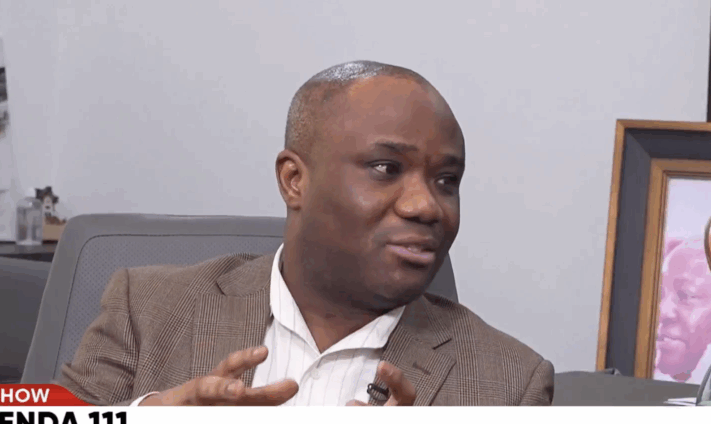
The government has approved the reintroduction of special tribunals to speed up the handling of corruption and illicit wealth cases, according to government spokesperson Felix Kwakye Ofosu.
Speaking on Joy News’ PM Express on Tuesday, the Abura Asebu-Kwamankese MP said Cabinet had endorsed the move to address delays in the judicial system and ensure that cases linked to the government’s anti-corruption drive are processed more quickly.
He explained that the tribunal system already exists within the Constitution and is simply being revived. Once implemented, the tribunals will primarily deal with cases connected to the government’s Operation Recover All Loot (ORAL) initiative as well as other matters involving illegal wealth.
According to him, the tribunals will help reduce the backlog in the regular courts while allowing corruption-related cases to be handled more efficiently.
His remarks come amid criticism from some anti-corruption advocates who argue that the government has been too slow in pursuing corruption investigations.
Responding to such concerns particularly comments from some members of the ORAL committee, including former Auditor-General Daniel Domelevo—Mr. Kwakye Ofosu questioned what critics mean when they claim the government is not acting quickly enough.
He said the Attorney General has taken several investigative steps since assuming office in February last year. Within a year, the office prepared about 27 dockets, while the Economic and Organised Crime Office (EOCO) began investigating another 40 cases.
He added that investigators have arrested more than 140 individuals and seized assets worth about GH¢1.5 billion, with several suspects currently standing trial.
Mr. Kwakye Ofosu also stressed that the judiciary, not the executive, controls the pace of court proceedings once cases reach court. He insisted that the government cannot interfere with how judges handle cases.
According to him, the role of the government is limited to gathering evidence, building strong cases, and presenting them in court for judges to determine guilt and appropriate punishment. Where illegal assets are involved, he said, the state will work to recover them for public benefit.
While acknowledging that delays in the judicial system are a longstanding concern, he maintained that the executive cannot dictate how quickly judges resolve cases.
He said reviving the tribunal system is one of several steps the government is taking to address the issue and improve the handling of corruption-related cases.
