

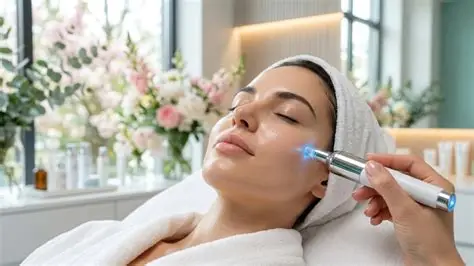
A wave of unconventional beauty treatments is taking over social media, from salmon sperm injections to bird-dropping facials. While they may sound strange at first, some of these trends are rooted in science but experts say the evidence is still evolving.
At a leading aesthetic clinic in Seoul, one of the most in-demand procedures involves injecting purified DNA fragments derived from salmon sperm into the skin. Known as polynucleotide therapy, the treatment targets the dermis the layer responsible for skin strength and elasticity.
According to dermatologist Kyu‑Ho Yi, the goal isn’t to add volume like traditional fillers but to stimulate the skin’s natural repair processes. The concept stems from regenerative medicine, where similar compounds have been used to promote healing in damaged tissue.
Although research is still limited, some studies suggest these injections may improve hydration, texture, and reduce fine lines. Joshua Zeichner notes that while the science shows promise, it remains unclear how the treatment first crossed into cosmetic use.
The global popularity of such treatments has been fueled by the influence of K-beauty and celebrity endorsements from figures like Jennifer Aniston and Charli XCX. Alongside salmon DNA therapy, other unusual skincare methods have gained attention, including so-called “vampire facials” and bird-dropping masks.
Yet, history shows that unconventional beauty practices are nothing new. From Cleopatra reportedly bathing in sour milk to traditional plant-based skincare in Asia, many ancient remedies once considered odd are now validated by modern science.
One of the more surprising treatments is the “Geisha facial,” which uses sterilised droppings from nightingale birds. Though it sounds unappealing, the treatment has historical roots in Japan, where it was originally used to remove makeup.
Modern versions rely on purified compounds. Zeichner explains that these droppings contain urea and amino acids ingredients already known for their moisturising and brightening properties. However, experts warn against DIY attempts, stressing that clinical preparation is essential for safety.
Not all viral skincare trends are backed by science. One controversial example is “menstrual masking,” where people apply menstrual blood to the face. While some research suggests potential healing properties in blood-derived plasma, dermatologists remain firmly against this practice. Beibei Du-Harpur dismisses it as a shock-driven social media trend rather than a legitimate treatment.
More credible is platelet-rich plasma (PRP) therapy often called the “vampire facial.” This involves extracting a patient’s blood, concentrating growth factors, and re-injecting them into the skin to promote repair and rejuvenation.
PRP is being studied across multiple medical fields, from hair loss to joint conditions. In skincare, it has shown potential to improve elasticity and reduce wrinkles, particularly in older adults. However, results vary widely depending on individual biology and treatment methods.
Experts believe the next generation of skincare will move beyond novelty and focus on deeper biological processes, including the skin microbiome and collagen regeneration.
Recent studies are exploring engineered amino acid supplements aimed at improving skin health from within. Early findings suggest they may enhance hydration, elasticity, and even influence biological ageing though more research is needed.
While some bizarre skincare trends may have scientific foundations, not all are equally effective or safe. The growing interest in these treatments highlights a broader shift toward regenerative and biology-driven beauty, but experts caution that hype often outpaces evidence.
In the end, what sounds strange today could become mainstream tomorrow but only if science proves it works.
