

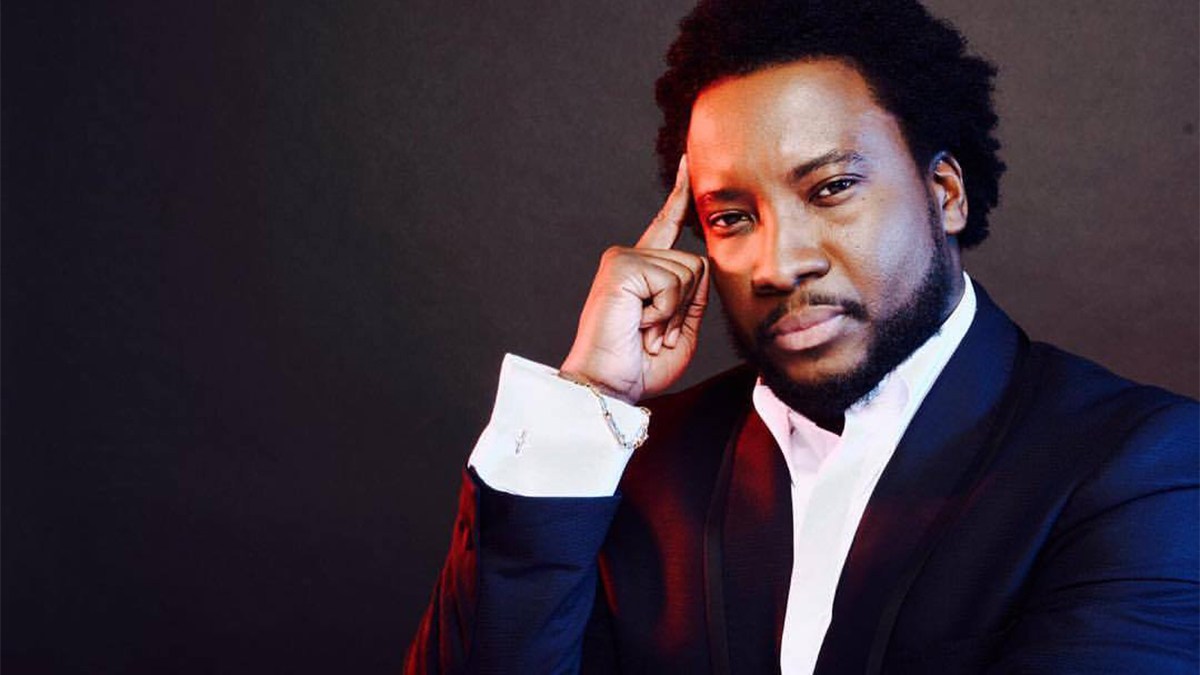
 Gospel musician and minister Sonnie Badu has publicly come to the defense of Prophet ElBernard following widespread criticism over a political prophecy that did not come to pass. The prophecy, which was linked to a recent political outcome, sparked intense debate across social media and within Christian circles, with many questioning prophetic credibility in public spaces.
In his response, Sonnie Badu urged believers to exercise spiritual maturity and restraint, emphasizing that prophecy should not be reduced to political prediction or public spectacle. According to Badu, a missed prophecy does not automatically invalidate a prophet’s calling or years of ministry.
“Prophecy is not politics,” Badu stated, stressing that God’s servants are not authenticated by election results or public approval but by obedience, character, and growth in grace. He warned against what he described as a growing culture of “prophet cancellation,” where ministers are swiftly condemned rather than corrected.
Badu acknowledged that prophets, like all humans, are fallible and capable of error, but maintained that accountability should be handled with wisdom, love, and proper spiritual order. He noted that biblical history is filled with examples of God using imperfect vessels, and that failure should lead to reflection and refinement—not public ridicule.
The defense has drawn mixed reactions, with supporters praising Badu for promoting grace and balance, while critics argue for stricter standards in prophetic ministry, especially when prophecies intersect with national politics.
As the conversation continues, Badu’s remarks have reignited a broader discussion within the church about prophecy, responsibility, and how spiritual leaders should be held accountable in the age of social media and instant judgment.
