Gabon’s media regulator has announced the suspension of social media platforms “until further notice,” citing the role of online content in fueling conflict and deepening divisions within the country, according to the BBC.
In a televised statement on Tuesday evening, the High Authority for Communication (HAC) pointed to the “spread of false information,” “cyberbullying,” and the “unauthorised disclosure of personal data” as key reasons for the decision. HAC spokesperson Jean-Claude Mendome did not specify which platforms would be affected, though WhatsApp, Facebook, and TikTok are widely used across Gabon.
The announcement comes as Gabon continues to navigate a politically sensitive period following a military coup in 2023 led by General Brice Oligui Nguema, who later won last year’s presidential election. The 50-year-old president is facing growing social unrest, with teachers and other civil servants staging strikes over pay and working conditions.
Social media platforms were reportedly still accessible on Wednesday morning, but the BBC notes that a full shutdown is expected soon.
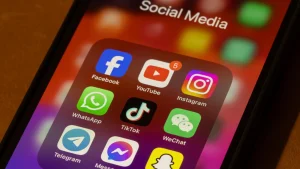
The suspension has sparked concern among young people and business owners who rely on social media for promotion. A restaurant owner in the capital, Libreville, told the BBC, “Almost 40% of my customers decided to order or come to the restaurant after seeing our advertising on social media… I won’t be able to catch new customers, because clients are attracted by what they are seeing, reviews from friends, and pictures. We are entering a phase where we don’t even know if we are moving forward with global development or if we are sliding backward into total underdevelopment.”
Meanwhile, some citizens appear less concerned. A taxi driver, speaking on condition of anonymity, told the BBC, “There’s no smoke without fire. For the authorities to take such a decision, something must have certainly prompted it.”
Gabon, a Central African nation of around 2.5 million people, is highly active on social media, particularly among young users who use the platforms for business as well as leisure. The government’s decision to restrict access marks a significant development in the country’s ongoing political and social challenges.
