
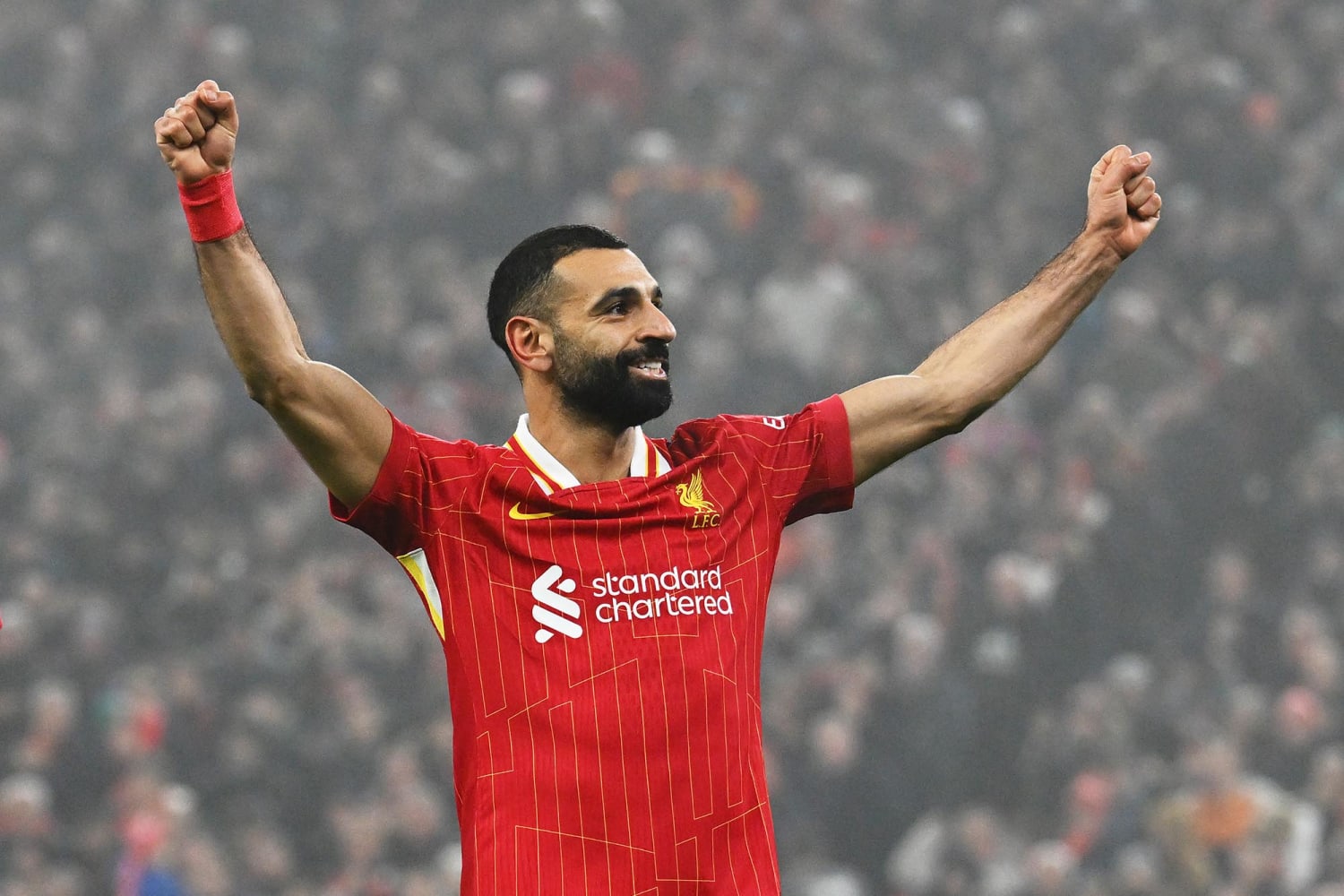
Liverpool FC turned a high-pressure European night into a procession, dismantling Qarabağ FK 6-0 at Anfield on Wednesday, January 28, 2026, with Mohamed Salah on the scoresheet and multiple attackers piling on to secure a top-eight finish in the Champions League league phase.
The win delivered what Liverpool needed from the finale: certainty, momentum, and a direct path into the round of 16. Kickoff was 3:00 p.m. ET, and the tone was set early. Liverpool played like a side determined to make the match one-way traffic, pressing high, winning second balls, and forcing Qarabag into repeated clearances that came straight back.
Liverpool vs Qarabag FK: How the Match Broke Open
Liverpool’s pressure produced the first breakthrough through Alexis Mac Allister, and once Florian Wirtz added a second soon after, the match shifted from “must-win tension” to “how big can this get. Salah’s goal after the break made the rout feel inevitable rather than merely likely. From there, Hugo Ekitike’s finish and a second Mac Allister strike pushed Qarabag further into survival mode, before Federico Chiesa capped the night late on to complete the six.
For Qarabag, the problem wasn’t simply conceding. It was the lack of relief. When they did escape the press, Liverpool’s recovery runs and midfield numbers shut down counterattacking lanes quickly, forcing hurried decisions and short possessions that fed the cycle
Salah’s Impact: A Reset Button, Not Just a Goal
Beyond the highlight reel, Salah’s goal mattered. This season, there have been times when Liverpool’s ability to create opportunities and maintain control has not translated into seamless finishes. An exceptional forward scoring at the perfect time alters the team’s emotional climate.
This was a classic “release” goal—it came after Liverpool had taken the lead, but it made the evening’s plot clear and provided the crowd with the kind of comfort that transforms a stressful European match into a celebration. Those are the nights that re-establish rhythm and confidence in Liverpool’s dressing room.
What This Means for Liverpool FC in the Champions League
The Champions League’s league-phase format has elevated the value of finishing inside the top eight. It is not just about status; it’s about workload and risk management. A direct place in the round of 16 can reduce fixture congestion, protect minutes for key players, and limit the number of “coin-flip” knockout matches where one bad night can undo months of work.
For Arne Slot, the performance also strengthens a broader argument: even if domestic form has been uneven, Liverpool’s ceiling in Europe remains high when the press is synchronized and the front line converts early pressure into goals.
