
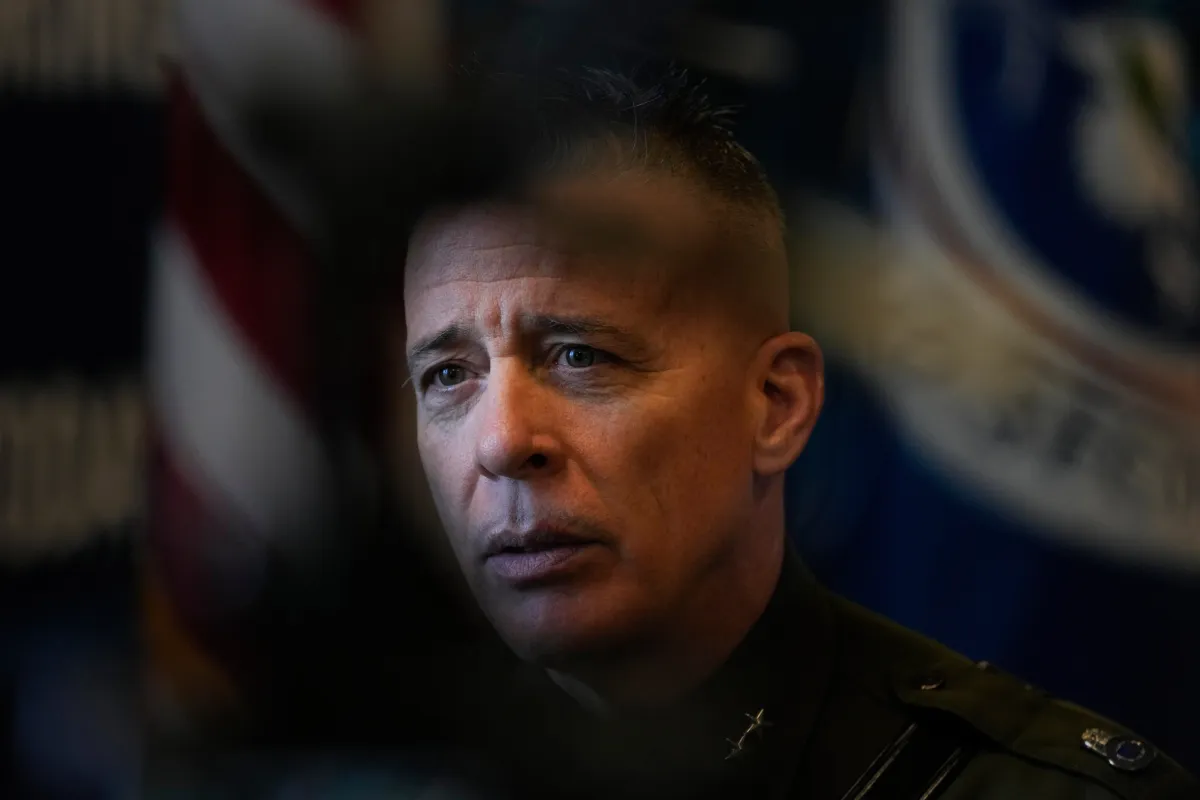
Greg Bovino: From Border Patrol Face of Trump’s Immigration Push to Controversy and Command Shake-ups
Gregory Bovino — the senior U.S. Border Patrol official most visibly associated with President Donald Trump’s aggressive immigration enforcement in cities far from the U.S.–Mexico border — has found himself at the center of a national spotlight not for arrests or raids this week, but for leadership turmoil and public backlash.
In late January 2026, multiple outlets reported that Bovino was removed from his temporary post as the Border Patrol’s “commander at large,” a role that had made him the on-the-ground face of enforcement actions stretching from Los Angeles to Minneapolis. He is expected to return to his prior role as chief of the El Centro Border Patrol Sector in California, where he has served for years and where retirement is widely anticipated.
However, the situation is fluid. The Department of Homeland Security (DHS) publicly pushed back on early reporting, saying Bovino has not been relieved of his duties and remains a “key part of the President’s team.” Officials stressed that shifting leadership in Minnesota was part of broader operational adjustments, not a firing.
Why Bovino Became a National Figure
Although an established federal agent long before 2025, Bovino’s name shot into prominence during the Trump administration’s mass immigration enforcement campaigns in 2025–26. He oversaw a series of high-profile operations in major U.S. cities — including Los Angeles, Chicago, and Minneapolis — where Customs and Border Protection (CBP) and Immigration and Customs Enforcement (ICE) agents conducted aggressive raids designed to detain unauthorized immigrants. These campaigns made Bovino one of the most recognizable faces of federal immigration policy.
His public persona — marked by a military-style greatcoat, forceful rhetoric on social media, and frequent television appearances — became as controversial as the operations themselves. Some defenders applauded his tough posture and willingness to enforce federal laws in Democratic-run cities. Critics, however, accused him of militarization, racial profiling, and performative stunts that galvanized protests and undermined community trust.
The Minneapolis Backlash and Fatal Shootings
The recent turmoil began with two fatal shootings involving federal agents in Minneapolis in January 2026. The deaths — first of Renee Nicole Good and then of 37-year-old ICU nurse Alex Pretti — sparked fierce criticism from local leaders and civil rights advocates. In televised interviews, Bovino defended the agents’ actions, asserting that the agents were the actual “victims” of the Pretti shooting — a claim that inflamed critics and was widely disputed.
California Governor Gavin Newsom sharply denounced Bovino’s comments, likening some of his rhetoric and tactics to authoritarianism. Critics dubbed him “Gestapo Greg” in response to his defensive posture and the militarized imagery surrounding federal enforcement actions.
Operational Adjustments and a Leadership Shift
In the wake of these events, the Trump administration has reportedly begun scaling back its posture in Minneapolis. President Trump appointed longtime immigration official Tom Homan — previously dubbed a “border czar” — to lead operations in the state, signaling a tactical shift and possible de-escalation in local federal enforcement.
Even as his formal title may change, DHS officials maintain that Bovino is not being dismissed from federal service. They emphasize that the reassignment reflects routine operational needs, not a repudiation of his career.
A Career Marked by Visibility and Controversy
Long before the Minneapolis controversy, Bovino’s career had already been marked by attention — both laudatory and critical. Known for high-visibility raids and dramatic video presentations of enforcement actions, he drew national headlines throughout 2025 for leading “Operation Metro Surge” and other campaigns that pushed CBP’s presence deep into U.S. cities. Even his wardrobe — especially an olive-green coat worn in public appearances — was seized upon by commentators as emblematic of a hard-line approach to immigration enforcement.
Whether his removal from the “commander at large” role signals the beginning of the end of his federal influence, or simply a tactical regrouping by the administration, remains in question as coverage continues to evolve.
