This incident unfolds amidst escalating tensions along the Lebanon-Israel border, impacting civilian life. UNIFIL operates under Security Council Resolution 1701, a mandate established to sustain a cessation of hostilities from the 2006 Lebanon War. In 2026, the escalation has led to significant displacement, with over 80,000 civilians reportedly forced from their homes in southern Lebanon, underscoring the fragile peace that Resolution 1701 has sought to maintain for two decades.
Ghana has remained a steadfast contributor to UN peacekeeping efforts and is among the largest troop contributors to this mission, aiming to stabilize the volatile border region. The United Nations has called for an immediate cessation of violence to avert further escalation. “The United Nations urges all parties to de-escalate immediately and adhere fully to their obligations under Security Council resolution 1701 (2006),” Guterres added. The safety of Ghanaian peacekeepers and the wider peace effort hinges on a collective commitment to diplomatic solutions designed to prevent a broader regional conflict.
The injury of the peacekeepers coincides with a significant escalation in hostilities involving the United States and Israel, which have launched a concerted military campaign against Iran since late February 2026. Following Israeli airstrikes on Iranian oil sites in Tehran, Iran has vowed to retaliate against American and Israeli assets across the region, further complicating the situation in Southern Lebanon, where Hezbollah and the IDF are engaged in unprecedented exchanges of fire. This intersection of global and local conflicts puts non-combatants and peacekeepers at heightened risk.
This incident unfolds amidst escalating tensions along the Lebanon-Israel border, impacting civilian life. UNIFIL operates under Security Council Resolution 1701, a mandate established to sustain a cessation of hostilities from the 2006 Lebanon War. In 2026, the escalation has led to significant displacement, with over 80,000 civilians reportedly forced from their homes in southern Lebanon, underscoring the fragile peace that Resolution 1701 has sought to maintain for two decades.
Ghana has remained a steadfast contributor to UN peacekeeping efforts and is among the largest troop contributors to this mission, aiming to stabilize the volatile border region. The United Nations has called for an immediate cessation of violence to avert further escalation. “The United Nations urges all parties to de-escalate immediately and adhere fully to their obligations under Security Council resolution 1701 (2006),” Guterres added. The safety of Ghanaian peacekeepers and the wider peace effort hinges on a collective commitment to diplomatic solutions designed to prevent a broader regional conflict.
The Secretary-General underscored the legal protections granted to international monitors, asserting that the safety of UN personnel is a fundamental aspect of international law. He warned that attacks targeting “Blue Helmets” could be classified as war crimes. “The Secretary-General emphasizes that the safety and security of UN personnel and property must be respected at all times, and those responsible must be held accountable,” Guterres stated. This appeal for accountability serves as a crucial reminder of the legal protections afforded to those in perilous situations.
The injury of the peacekeepers coincides with a significant escalation in hostilities involving the United States and Israel, which have launched a concerted military campaign against Iran since late February 2026. Following Israeli airstrikes on Iranian oil sites in Tehran, Iran has vowed to retaliate against American and Israeli assets across the region, further complicating the situation in Southern Lebanon, where Hezbollah and the IDF are engaged in unprecedented exchanges of fire. This intersection of global and local conflicts puts non-combatants and peacekeepers at heightened risk.
This incident unfolds amidst escalating tensions along the Lebanon-Israel border, impacting civilian life. UNIFIL operates under Security Council Resolution 1701, a mandate established to sustain a cessation of hostilities from the 2006 Lebanon War. In 2026, the escalation has led to significant displacement, with over 80,000 civilians reportedly forced from their homes in southern Lebanon, underscoring the fragile peace that Resolution 1701 has sought to maintain for two decades.
Ghana has remained a steadfast contributor to UN peacekeeping efforts and is among the largest troop contributors to this mission, aiming to stabilize the volatile border region. The United Nations has called for an immediate cessation of violence to avert further escalation. “The United Nations urges all parties to de-escalate immediately and adhere fully to their obligations under Security Council resolution 1701 (2006),” Guterres added. The safety of Ghanaian peacekeepers and the wider peace effort hinges on a collective commitment to diplomatic solutions designed to prevent a broader regional conflict.
The injured peacekeepers were part of the United Nations Interim Force in Lebanon (UNIFIL), tasked with maintaining peace between Lebanese and Israeli forces. According to UNIFIL officials, two of the injured personnel are receiving treatment at a local mission facility, while the most critically injured peacekeeper was evacuated to Beirut for specialized care. This medical evacuation highlights the escalating dangers faced by peacekeepers operating in high-conflict zones.
In an official statement, Guterres characterized the attack as severe. “The Secretary-General condemns the incident on Friday, 6 March, which resulted in three Ghanaian peacekeepers of the United Nations Interim Force in Lebanon (UNIFIL) being injured amidst heavy fire. He wishes a swift and full recovery to the injured peacekeepers,” the statement indicated, shedding light on the growing concern over the safety of peacekeepers globally.
The Secretary-General underscored the legal protections granted to international monitors, asserting that the safety of UN personnel is a fundamental aspect of international law. He warned that attacks targeting “Blue Helmets” could be classified as war crimes. “The Secretary-General emphasizes that the safety and security of UN personnel and property must be respected at all times, and those responsible must be held accountable,” Guterres stated. This appeal for accountability serves as a crucial reminder of the legal protections afforded to those in perilous situations.
The injury of the peacekeepers coincides with a significant escalation in hostilities involving the United States and Israel, which have launched a concerted military campaign against Iran since late February 2026. Following Israeli airstrikes on Iranian oil sites in Tehran, Iran has vowed to retaliate against American and Israeli assets across the region, further complicating the situation in Southern Lebanon, where Hezbollah and the IDF are engaged in unprecedented exchanges of fire. This intersection of global and local conflicts puts non-combatants and peacekeepers at heightened risk.
This incident unfolds amidst escalating tensions along the Lebanon-Israel border, impacting civilian life. UNIFIL operates under Security Council Resolution 1701, a mandate established to sustain a cessation of hostilities from the 2006 Lebanon War. In 2026, the escalation has led to significant displacement, with over 80,000 civilians reportedly forced from their homes in southern Lebanon, underscoring the fragile peace that Resolution 1701 has sought to maintain for two decades.
Ghana has remained a steadfast contributor to UN peacekeeping efforts and is among the largest troop contributors to this mission, aiming to stabilize the volatile border region. The United Nations has called for an immediate cessation of violence to avert further escalation. “The United Nations urges all parties to de-escalate immediately and adhere fully to their obligations under Security Council resolution 1701 (2006),” Guterres added. The safety of Ghanaian peacekeepers and the wider peace effort hinges on a collective commitment to diplomatic solutions designed to prevent a broader regional conflict.
The injured peacekeepers were part of the United Nations Interim Force in Lebanon (UNIFIL), tasked with maintaining peace between Lebanese and Israeli forces. According to UNIFIL officials, two of the injured personnel are receiving treatment at a local mission facility, while the most critically injured peacekeeper was evacuated to Beirut for specialized care. This medical evacuation highlights the escalating dangers faced by peacekeepers operating in high-conflict zones.
In an official statement, Guterres characterized the attack as severe. “The Secretary-General condemns the incident on Friday, 6 March, which resulted in three Ghanaian peacekeepers of the United Nations Interim Force in Lebanon (UNIFIL) being injured amidst heavy fire. He wishes a swift and full recovery to the injured peacekeepers,” the statement indicated, shedding light on the growing concern over the safety of peacekeepers globally.
The Secretary-General underscored the legal protections granted to international monitors, asserting that the safety of UN personnel is a fundamental aspect of international law. He warned that attacks targeting “Blue Helmets” could be classified as war crimes. “The Secretary-General emphasizes that the safety and security of UN personnel and property must be respected at all times, and those responsible must be held accountable,” Guterres stated. This appeal for accountability serves as a crucial reminder of the legal protections afforded to those in perilous situations.
The injury of the peacekeepers coincides with a significant escalation in hostilities involving the United States and Israel, which have launched a concerted military campaign against Iran since late February 2026. Following Israeli airstrikes on Iranian oil sites in Tehran, Iran has vowed to retaliate against American and Israeli assets across the region, further complicating the situation in Southern Lebanon, where Hezbollah and the IDF are engaged in unprecedented exchanges of fire. This intersection of global and local conflicts puts non-combatants and peacekeepers at heightened risk.
This incident unfolds amidst escalating tensions along the Lebanon-Israel border, impacting civilian life. UNIFIL operates under Security Council Resolution 1701, a mandate established to sustain a cessation of hostilities from the 2006 Lebanon War. In 2026, the escalation has led to significant displacement, with over 80,000 civilians reportedly forced from their homes in southern Lebanon, underscoring the fragile peace that Resolution 1701 has sought to maintain for two decades.
Ghana has remained a steadfast contributor to UN peacekeeping efforts and is among the largest troop contributors to this mission, aiming to stabilize the volatile border region. The United Nations has called for an immediate cessation of violence to avert further escalation. “The United Nations urges all parties to de-escalate immediately and adhere fully to their obligations under Security Council resolution 1701 (2006),” Guterres added. The safety of Ghanaian peacekeepers and the wider peace effort hinges on a collective commitment to diplomatic solutions designed to prevent a broader regional conflict.
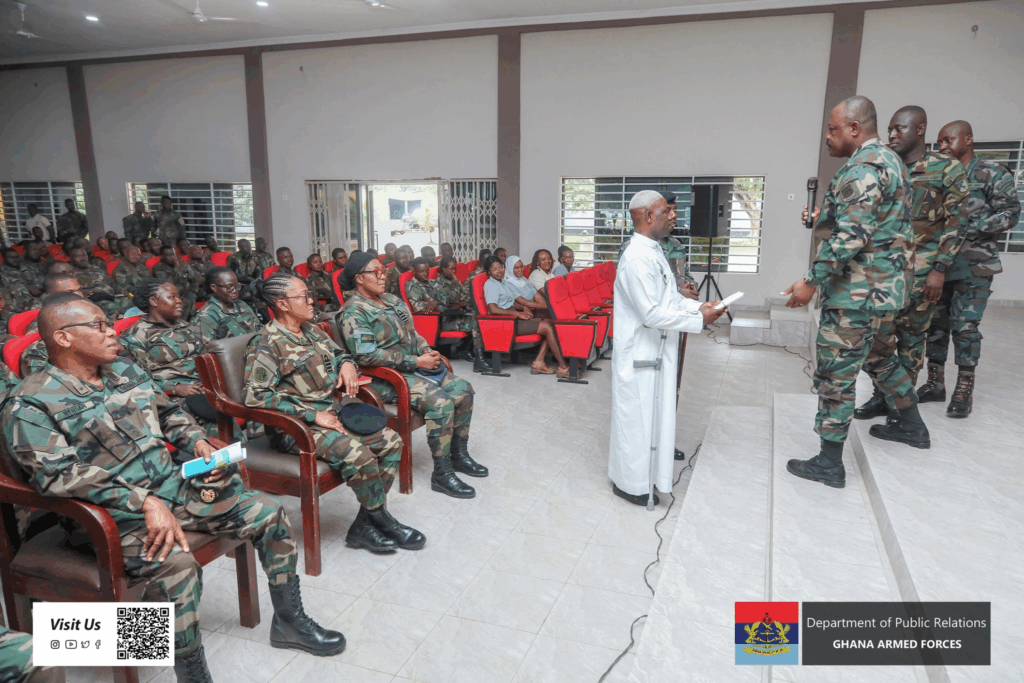
The United Nations Secretary-General António Guterres has strongly condemned an incident that left three Ghanaian peacekeepers injured in southwestern Lebanon. The personnel were injured on Friday, March 6, 2026, during an intense exchange of gunfire while stationed at their outpost in Al Qawzah.
This alarming incident occurs amid a dramatic rise in violence in the region, marking the most significant escalation since the 2024 ceasefire. Tensions are heightened due to increasing cross-border hostilities between the Israel Defense Forces (IDF) and various armed groups, putting international diplomatic efforts to the test and raising the specter of broader regional instability.
The injured peacekeepers were part of the United Nations Interim Force in Lebanon (UNIFIL), tasked with maintaining peace between Lebanese and Israeli forces. According to UNIFIL officials, two of the injured personnel are receiving treatment at a local mission facility, while the most critically injured peacekeeper was evacuated to Beirut for specialized care. This medical evacuation highlights the escalating dangers faced by peacekeepers operating in high-conflict zones.
In an official statement, Guterres characterized the attack as severe. “The Secretary-General condemns the incident on Friday, 6 March, which resulted in three Ghanaian peacekeepers of the United Nations Interim Force in Lebanon (UNIFIL) being injured amidst heavy fire. He wishes a swift and full recovery to the injured peacekeepers,” the statement indicated, shedding light on the growing concern over the safety of peacekeepers globally.
The Secretary-General underscored the legal protections granted to international monitors, asserting that the safety of UN personnel is a fundamental aspect of international law. He warned that attacks targeting “Blue Helmets” could be classified as war crimes. “The Secretary-General emphasizes that the safety and security of UN personnel and property must be respected at all times, and those responsible must be held accountable,” Guterres stated. This appeal for accountability serves as a crucial reminder of the legal protections afforded to those in perilous situations.
The injury of the peacekeepers coincides with a significant escalation in hostilities involving the United States and Israel, which have launched a concerted military campaign against Iran since late February 2026. Following Israeli airstrikes on Iranian oil sites in Tehran, Iran has vowed to retaliate against American and Israeli assets across the region, further complicating the situation in Southern Lebanon, where Hezbollah and the IDF are engaged in unprecedented exchanges of fire. This intersection of global and local conflicts puts non-combatants and peacekeepers at heightened risk.
This incident unfolds amidst escalating tensions along the Lebanon-Israel border, impacting civilian life. UNIFIL operates under Security Council Resolution 1701, a mandate established to sustain a cessation of hostilities from the 2006 Lebanon War. In 2026, the escalation has led to significant displacement, with over 80,000 civilians reportedly forced from their homes in southern Lebanon, underscoring the fragile peace that Resolution 1701 has sought to maintain for two decades.
Ghana has remained a steadfast contributor to UN peacekeeping efforts and is among the largest troop contributors to this mission, aiming to stabilize the volatile border region. The United Nations has called for an immediate cessation of violence to avert further escalation. “The United Nations urges all parties to de-escalate immediately and adhere fully to their obligations under Security Council resolution 1701 (2006),” Guterres added. The safety of Ghanaian peacekeepers and the wider peace effort hinges on a collective commitment to diplomatic solutions designed to prevent a broader regional conflict.
The United Nations Secretary-General António Guterres has strongly condemned an incident that left three Ghanaian peacekeepers injured in southwestern Lebanon. The personnel were injured on Friday, March 6, 2026, during an intense exchange of gunfire while stationed at their outpost in Al Qawzah.
This alarming incident occurs amid a dramatic rise in violence in the region, marking the most significant escalation since the 2024 ceasefire. Tensions are heightened due to increasing cross-border hostilities between the Israel Defense Forces (IDF) and various armed groups, putting international diplomatic efforts to the test and raising the specter of broader regional instability.
The injured peacekeepers were part of the United Nations Interim Force in Lebanon (UNIFIL), tasked with maintaining peace between Lebanese and Israeli forces. According to UNIFIL officials, two of the injured personnel are receiving treatment at a local mission facility, while the most critically injured peacekeeper was evacuated to Beirut for specialized care. This medical evacuation highlights the escalating dangers faced by peacekeepers operating in high-conflict zones.
In an official statement, Guterres characterized the attack as severe. “The Secretary-General condemns the incident on Friday, 6 March, which resulted in three Ghanaian peacekeepers of the United Nations Interim Force in Lebanon (UNIFIL) being injured amidst heavy fire. He wishes a swift and full recovery to the injured peacekeepers,” the statement indicated, shedding light on the growing concern over the safety of peacekeepers globally.
The Secretary-General underscored the legal protections granted to international monitors, asserting that the safety of UN personnel is a fundamental aspect of international law. He warned that attacks targeting “Blue Helmets” could be classified as war crimes. “The Secretary-General emphasizes that the safety and security of UN personnel and property must be respected at all times, and those responsible must be held accountable,” Guterres stated. This appeal for accountability serves as a crucial reminder of the legal protections afforded to those in perilous situations.
The injury of the peacekeepers coincides with a significant escalation in hostilities involving the United States and Israel, which have launched a concerted military campaign against Iran since late February 2026. Following Israeli airstrikes on Iranian oil sites in Tehran, Iran has vowed to retaliate against American and Israeli assets across the region, further complicating the situation in Southern Lebanon, where Hezbollah and the IDF are engaged in unprecedented exchanges of fire. This intersection of global and local conflicts puts non-combatants and peacekeepers at heightened risk.
This incident unfolds amidst escalating tensions along the Lebanon-Israel border, impacting civilian life. UNIFIL operates under Security Council Resolution 1701, a mandate established to sustain a cessation of hostilities from the 2006 Lebanon War. In 2026, the escalation has led to significant displacement, with over 80,000 civilians reportedly forced from their homes in southern Lebanon, underscoring the fragile peace that Resolution 1701 has sought to maintain for two decades.
Ghana has remained a steadfast contributor to UN peacekeeping efforts and is among the largest troop contributors to this mission, aiming to stabilize the volatile border region. The United Nations has called for an immediate cessation of violence to avert further escalation. “The United Nations urges all parties to de-escalate immediately and adhere fully to their obligations under Security Council resolution 1701 (2006),” Guterres added. The safety of Ghanaian peacekeepers and the wider peace effort hinges on a collective commitment to diplomatic solutions designed to prevent a broader regional conflict.
The United Nations Secretary-General António Guterres has strongly condemned an incident that left three Ghanaian peacekeepers injured in southwestern Lebanon. The personnel were injured on Friday, March 6, 2026, during an intense exchange of gunfire while stationed at their outpost in Al Qawzah.
This alarming incident occurs amid a dramatic rise in violence in the region, marking the most significant escalation since the 2024 ceasefire. Tensions are heightened due to increasing cross-border hostilities between the Israel Defense Forces (IDF) and various armed groups, putting international diplomatic efforts to the test and raising the specter of broader regional instability.
The injured peacekeepers were part of the United Nations Interim Force in Lebanon (UNIFIL), tasked with maintaining peace between Lebanese and Israeli forces. According to UNIFIL officials, two of the injured personnel are receiving treatment at a local mission facility, while the most critically injured peacekeeper was evacuated to Beirut for specialized care. This medical evacuation highlights the escalating dangers faced by peacekeepers operating in high-conflict zones.
In an official statement, Guterres characterized the attack as severe. “The Secretary-General condemns the incident on Friday, 6 March, which resulted in three Ghanaian peacekeepers of the United Nations Interim Force in Lebanon (UNIFIL) being injured amidst heavy fire. He wishes a swift and full recovery to the injured peacekeepers,” the statement indicated, shedding light on the growing concern over the safety of peacekeepers globally.
The Secretary-General underscored the legal protections granted to international monitors, asserting that the safety of UN personnel is a fundamental aspect of international law. He warned that attacks targeting “Blue Helmets” could be classified as war crimes. “The Secretary-General emphasizes that the safety and security of UN personnel and property must be respected at all times, and those responsible must be held accountable,” Guterres stated. This appeal for accountability serves as a crucial reminder of the legal protections afforded to those in perilous situations.
The injury of the peacekeepers coincides with a significant escalation in hostilities involving the United States and Israel, which have launched a concerted military campaign against Iran since late February 2026. Following Israeli airstrikes on Iranian oil sites in Tehran, Iran has vowed to retaliate against American and Israeli assets across the region, further complicating the situation in Southern Lebanon, where Hezbollah and the IDF are engaged in unprecedented exchanges of fire. This intersection of global and local conflicts puts non-combatants and peacekeepers at heightened risk.
This incident unfolds amidst escalating tensions along the Lebanon-Israel border, impacting civilian life. UNIFIL operates under Security Council Resolution 1701, a mandate established to sustain a cessation of hostilities from the 2006 Lebanon War. In 2026, the escalation has led to significant displacement, with over 80,000 civilians reportedly forced from their homes in southern Lebanon, underscoring the fragile peace that Resolution 1701 has sought to maintain for two decades.
Ghana has remained a steadfast contributor to UN peacekeeping efforts and is among the largest troop contributors to this mission, aiming to stabilize the volatile border region. The United Nations has called for an immediate cessation of violence to avert further escalation. “The United Nations urges all parties to de-escalate immediately and adhere fully to their obligations under Security Council resolution 1701 (2006),” Guterres added. The safety of Ghanaian peacekeepers and the wider peace effort hinges on a collective commitment to diplomatic solutions designed to prevent a broader regional conflict.