

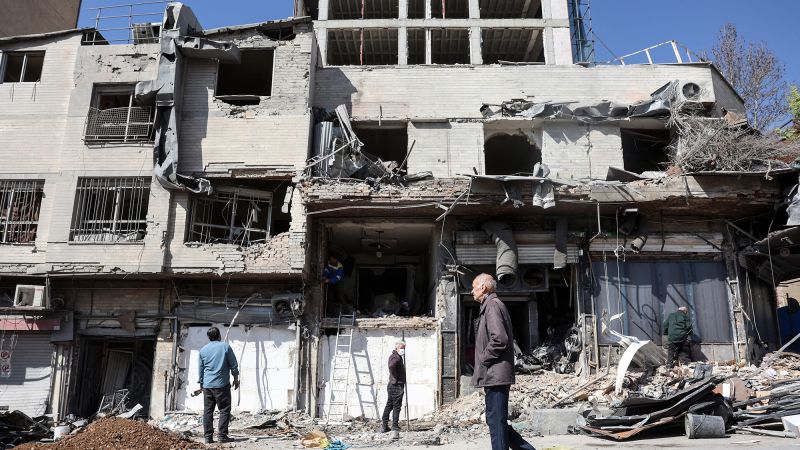
The persistent conflict in the Middle East is reshaping global economic dynamics, raising concerns about its long-term implications. Experts warn that the ripple effects could contribute significantly to inflation and disrupt global supply chains.
As tensions escalate, crude oil prices have surged, which has profound implications for economies reliant on imported energy. Experts predict continued volatility in oil markets, influencing prices of goods and services worldwide.
The ongoing conflict is exacerbating pre-existing vulnerabilities in global supply chains. Many sectors, from technology to consumer goods, are experiencing delays and increased costs. Companies are reevaluating their sourcing strategies to mitigate these risks, which may lead to higher prices for consumers.
The combination of rising energy costs and disrupted supply chains is exerting upward pressure on inflation. Economists predict that unless the conflict de-escalates soon, inflation rates may continue to rise in several nations, prompting central banks to reconsider their monetary policies.
The ramifications of the conflict in the Middle East extend beyond geopolitical concerns; they pose serious risks to global economic stability. As nations navigate these challenges, the need for strategic planning and cooperation becomes more critical than ever to ensure resilience in the face of uncertainty.
