

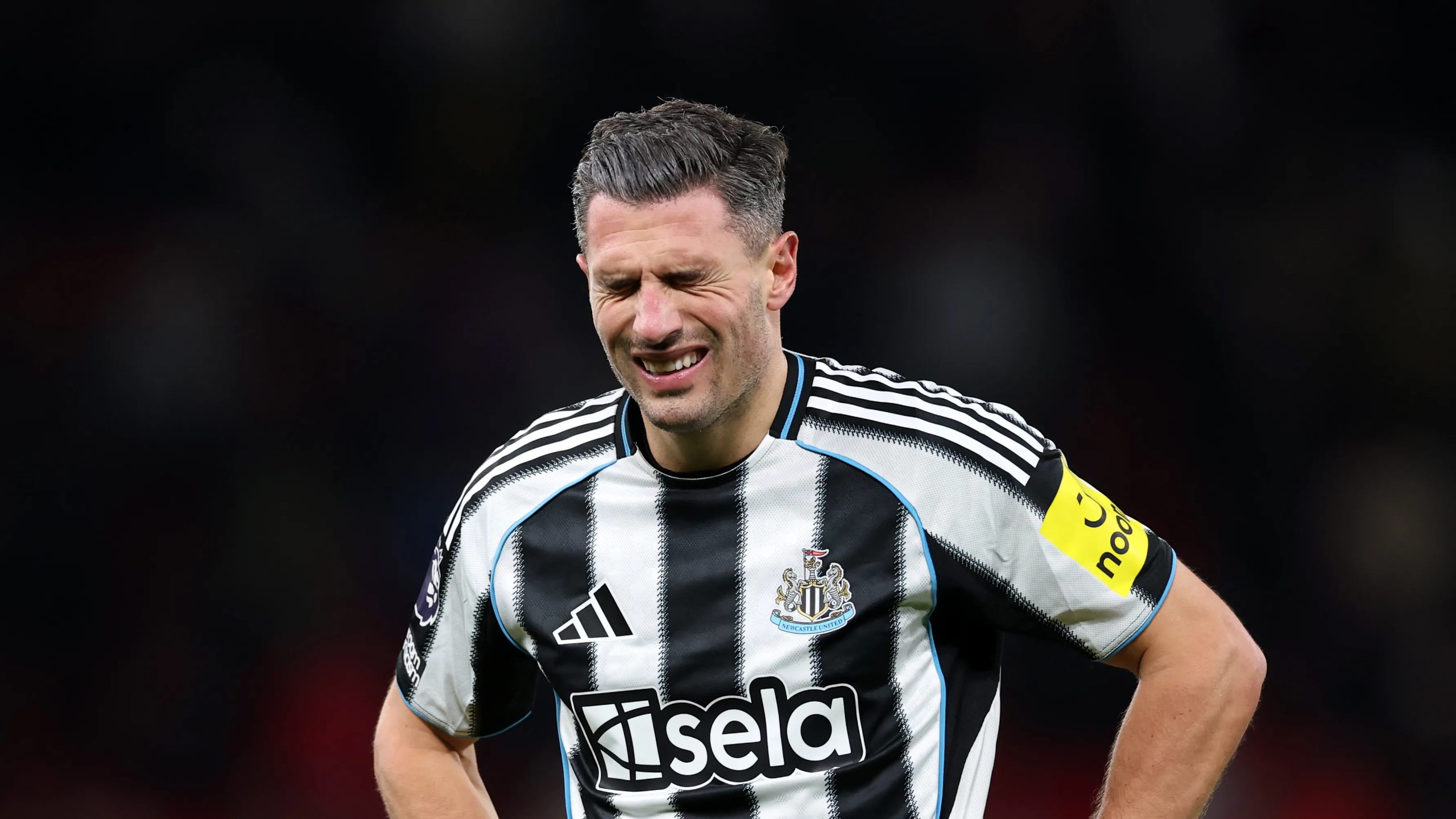
Newcastle United defender Fabian Schar recently recounted a harrowing experience that unfolded during his rehabilitation for an ankle injury in the Middle East. The Swiss center-back, integral to Eddie Howe’s squad, found himself in a life-threatening situation as regional tensions erupted into conflict.
In January, Schar traveled to the Middle East for recovery after suffering a significant injury during a thrilling 4-3 match against Leeds. However, what was meant to be a routine rehabilitation shifted dramatically when military actions intensified involving Iran, Israel, and the United States. With commercial flights grounded and drone strikes targeting major hubs, the defender and countless others were forced to take shelter.
Schar vividly shared his ordeal on social media, describing the mental and physical toll of being caught in such volatile circumstances. He expressed immense relief at narrowly escaping the dangers of the region, which has seen escalating military actions. In an emotional Instagram post, he stated, “I’ve just lived through some of my most terrifying days, unfortunately witnessing first-hand what’s happening in the Middle East. I’m glad to be home safely, but the reality is truly frightening. I hope help reaches all those in need in the affected areas.”
His chilling account resonated far beyond the football community, highlighting the profound impact of geopolitical conflicts. The atmosphere in the region has also prompted concerns among other professional athletes, some of whom have been trapped due to an inability to travel amidst the chaos.
Currently sidelined for roughly three months due to his ankle injury, Schar’s recovery is being closely monitored, both physically and mentally, as he transitions back to a safer environment in Tyneside. Having joined Newcastle from Deportivo La Coruña in 2018, Schar has established himself as a fan favorite and remains a pivotal player for the Magpies.
The crisis has also mobilized international support, with the UK Government spearheading evacuation efforts for British citizens engaged in the conflict. Foreign Secretary Yvette Cooper confirmed that a 24/7 crisis center has been opened to assist the estimated 300,000 British nationals within the region, highlighting the seriousness of the situation.
As the sporting community grapples with the repercussions of this conflict, Schar’s personal story serves as a stark reminder of the distant effects of such international tensions on individuals far removed from the frontline.
