

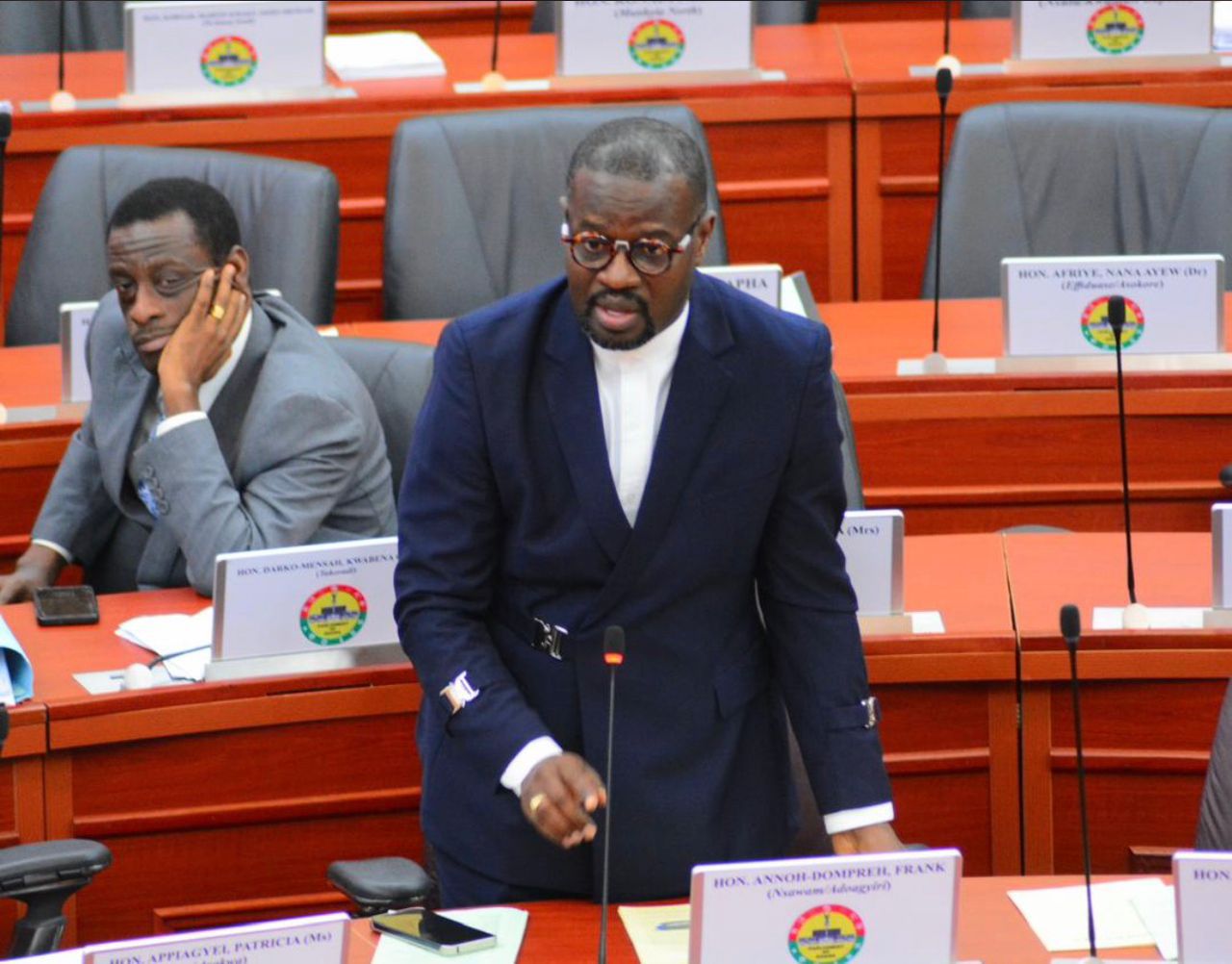
Nana Yaw Nsawam-Adoagyiri MP Frank Annoh-Dompreh has urgently urged Parliament to enact laws that would criminalize ecocide in Ghana, highlighting the escalating environmental degradation in the country.
Addressing the house this week, he emphasized that the severity of environmental harm, especially from illegal mining activities, necessitates immediate legislative action. “Honourable Speaker, I stand here today out of a profound sense of urgency and responsibility to address a critical issue transcending partisan politics and short-term economic interests,” he stated.
Annoh-Dompreh articulated that ecocide, which refers to “unlawful or wanton acts committed with the knowledge that there is a substantial likelihood of severe damage to the environment,” should be recognized under Ghanaian law. He referred to an independent expert panel’s definition from Stop Ecocide International, asserting that the legal implications of such destruction extend globally.
He pointed out a significant gap in current international law, noting that while the Rome Statute of the International Criminal Court identifies genocide and crimes against humanity, it does not yet classify ecocide as a standalone crime during peacetime. “This legal loophole permits extensive ecological devastation with little accountability,” he warned.
Highlighting the dire consequences of uncontrolled environmental destruction, the MP pointed to alarming examples, such as the Niger Delta, which has been ravaged by thousands of oil spills. “The area has suffered more than 7,000 spills between 1970 and 2000, which have destroyed water quality, soil health, and public well-being, requiring decades for full restoration,” he remarked.
Globally, momentum is gathering to address ecocide, with at least 11 nations already incorporating such laws into their legal frameworks. Notably, Belgium has made strides this year by becoming the first EU country to introduce ecocide criminalization in its penal code.
Annoh-Dompreh argued that adopting such legislation in Ghana would send a strong moral and legal message, reinforcing that the destruction of ecosystems is both socially and legally unacceptable. “This isn’t just about environmental law—it embodies a broader principle of justice. Criminalizing ecocide would demonstrate a collective moral stance against ecological harm,” he asserted.
In light of Ghana’s continued struggles with deforestation, illegal mining, and water pollution—where recent reports indicate up to 60% of the nation’s water bodies have been compromised—he stressed the urgent need for action. “Environmental degradation not only risks our natural resources but also threatens public health and agricultural sustainability, impacting future generations,” he noted.
Mr. Annoh-Dompreh urged legislative bodies to adopt clear definitions that establish and criminalize ecocide within Ghana’s legal framework, proposing that Ghana should aim to lead the charge for ecocide recognition in international law. “Let us advocate for the inclusion of ecocide as the fifth international crime at the Assembly of States Parties of the International Criminal Court,” he emphasized.
READ ALSO:
Economic growth is meaningless when people struggle -Ntim Fordjour
He concluded with a call for enhanced support for environmental protection agencies and legal institutions in Ghana, advocating that they be empowered with the requisite authority to enforce these standards effectively. “Ensuring accountability in ecological matters must become a priority,” he said. “Protecting our ecosystems is not just a choice; it’s an obligation to safeguard the future of our children and their rights to a healthy environment.”
