

The Minority in Parliament has urged the government to abolish the GH₵1 fuel levy, arguing that it is placing an excessive financial strain on Ghanaians already struggling with the rising cost of living.
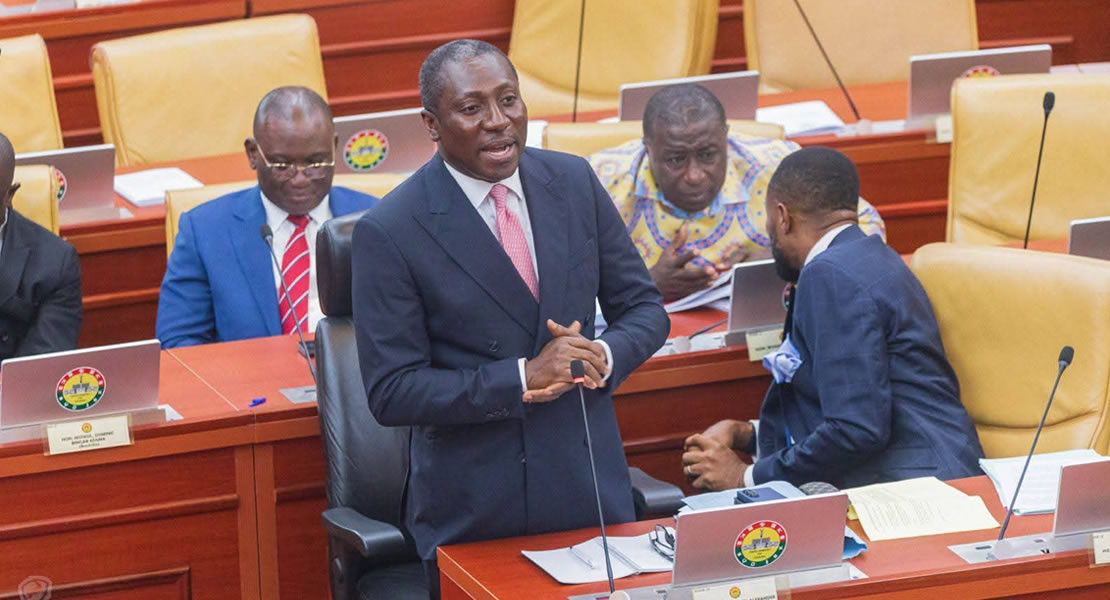
Speaking to journalists in Parliament, the Deputy Ranking Member of the Energy Committee, Collins Adomako Mensah, maintained that the levy has outlived its purpose and should be scrapped without delay.
“The justification for this levy no longer exists. Keeping it is not policy—it is punishment,” he stated, calling on the government to repeal the Energy Sector Levy Amendment Act of 2025 under a certificate of urgency.
The Minority’s appeal comes amid a surge in global fuel prices, driven by escalating tensions involving the United States, Israel, and Iran, as well as disruptions linked to the closure of the Strait of Hormuz. Analysts warn that crude oil prices could climb to between $110 and $120 per barrel if the situation persists, potentially pushing petrol prices in Ghana to between GH₵15 and GH₵17 per litre.
As of the second pricing window of March 2026, diesel was selling at GH₵15.60 per litre, while petrol had risen above GH₵12.40 per litre.
Mr. Mensah noted that the Energy Sector Levy, which adds GH₵1 to every litre of petroleum product, was originally introduced to support liquid fuel procurement and clear legacy debts in the sector. However, he argued that those objectives have already been achieved.
According to him, between January and December 2025, the government spent approximately $1.47 billion to stabilise the energy sector, including the full repayment of a GH₵597 million World Bank partial risk guarantee and the settlement of outstanding gas-related debts.
“With the debt addressed and guarantees restored, the so-called One Ghana Cedi Levy serves no purpose and should be repealed immediately,” he stressed.
READ ALSO:
He further indicated that the Minority would push for a broader review of all taxes and levies embedded in fuel pricing, with the aim of identifying opportunities to ease the burden on consumers.
The Minority had earlier staged a walkout in Parliament in protest against the levy, describing its fiscal basis as weak and its timing as ill-considered. They now insist that urgent action is needed to shield households from worsening economic pressures amid ongoing volatility in global oil markets.
