

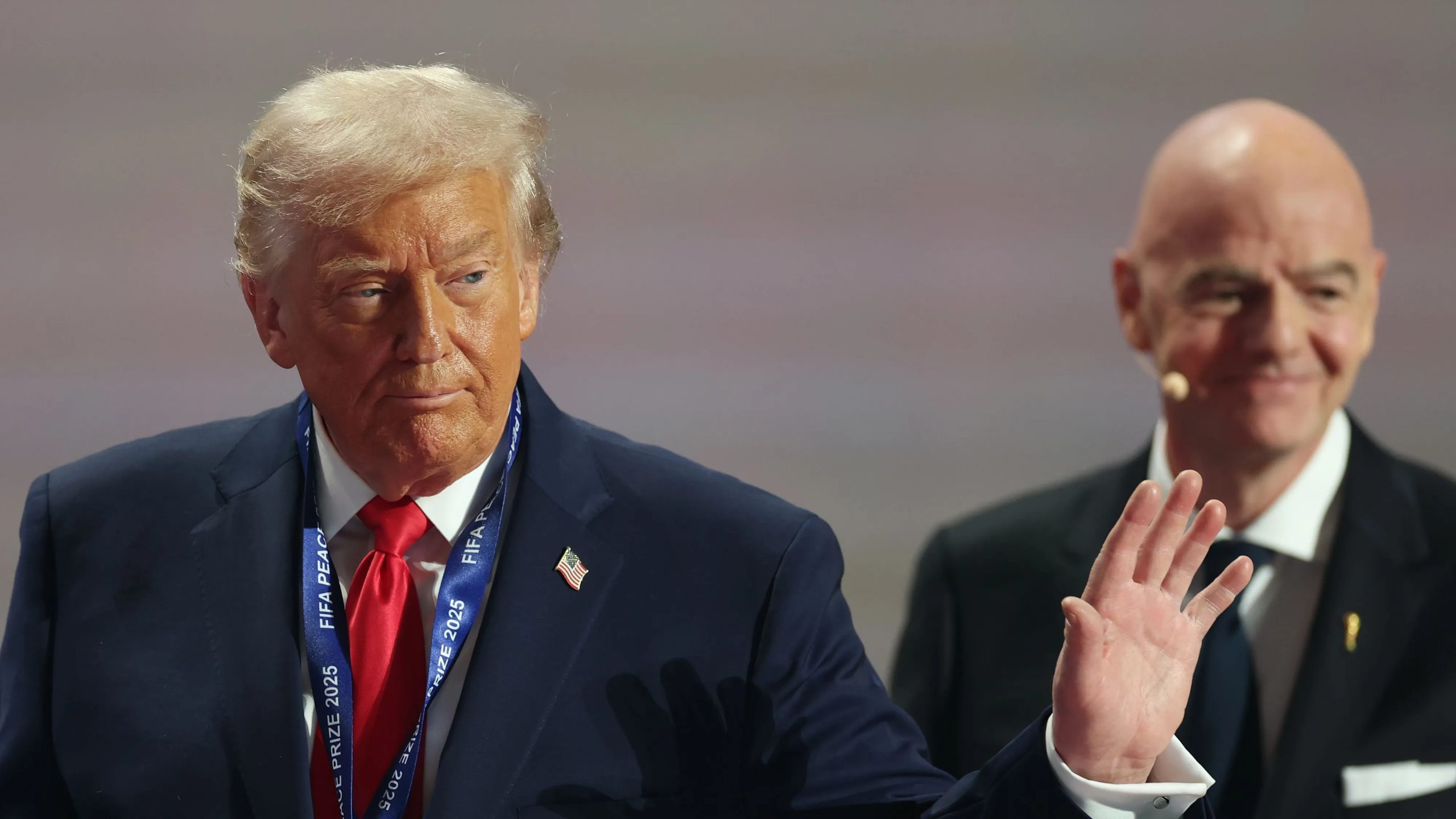
As the countdown to the 2026 World Cup begins, the atmosphere is anything but festive for Iran. The recent remarks by U.S. President Donald Trump, expressing indifference to Iran’s participation, have cast a shadow over the team’s unprecedented qualification for this prestigious event. Adding to the tension, Iran was notably absent from a critical FIFA planning meeting held in Atlanta this week, sparking concerns about its involvement in a tournament hosted by the U.S., Mexico, and Canada.
Iran’s football federation has raised red flags about the potential for their fixtures to be compromised. Scheduled to compete in Los Angeles against teams such as New Zealand and Belgium, these matches now hang in the balance due to recent military conflicts involving the U.S. and Israel that have escalated concerns among officials in Tehran. Football federation President Mehdi Taj recently articulated the emotional toll of these events, stating, “What is certain is that after this attack, we cannot be expected to look forward to the World Cup with hope.”
During a press conference, Trump made it clear how little he cares about the implications of Iran’s participation, casually stating, “I really don’t care [if Iran participates]. I think Iran is a very badly defeated country. They’re running on fumes.” His dismissive attitude towards such a significant issue raises eyebrows about the potential diplomatic fallout that could arise from disallowing a qualified team from participating.
Compounding the situation are bureaucratic hurdles. With intricate travel bans in effect, logistical problems are surfacing for Iranian athletes, team officials, and support staff. Although athletes are often exempt from such restrictions, obtaining the necessary documentation for those accompanying the teams remains contentious, leading to fears of a boycott similar to earlier issues when visa applications were denied.
Andrew Giuliani, leading the White House FIFA World Cup Task Force, reiterated that the priority would remain on security. He emphasized that while the administration wishes for a well-attended and successful tournament, the complexities of the current political landscape cannot be ignored. “It’d be foolish to expect that we would just open our borders,” he stated, indicating that the safety of fans and athletes is paramount.
Despite escalating tensions, FIFA has opted for silence rather than intervention. The absence of Iranian representatives at the Atlanta planning meeting hints at communication breakdowns at a crucial time for preparing for the World Cup. Other participating nations finalizing logistics starkly contrasts with the empty chairs reserved for Iran, highlighting the elevated stakes for tournament organizers just months before the kick-off.
Supporters of the U.S. administration’s tough stance argue it is necessary for the safety of countless fans expected to flock to the tournament. As tensions continue to rise, many await further developments, hoping for a resolution that allows all teams, including Iran, to participate in what should be a celebration of global sport.
