

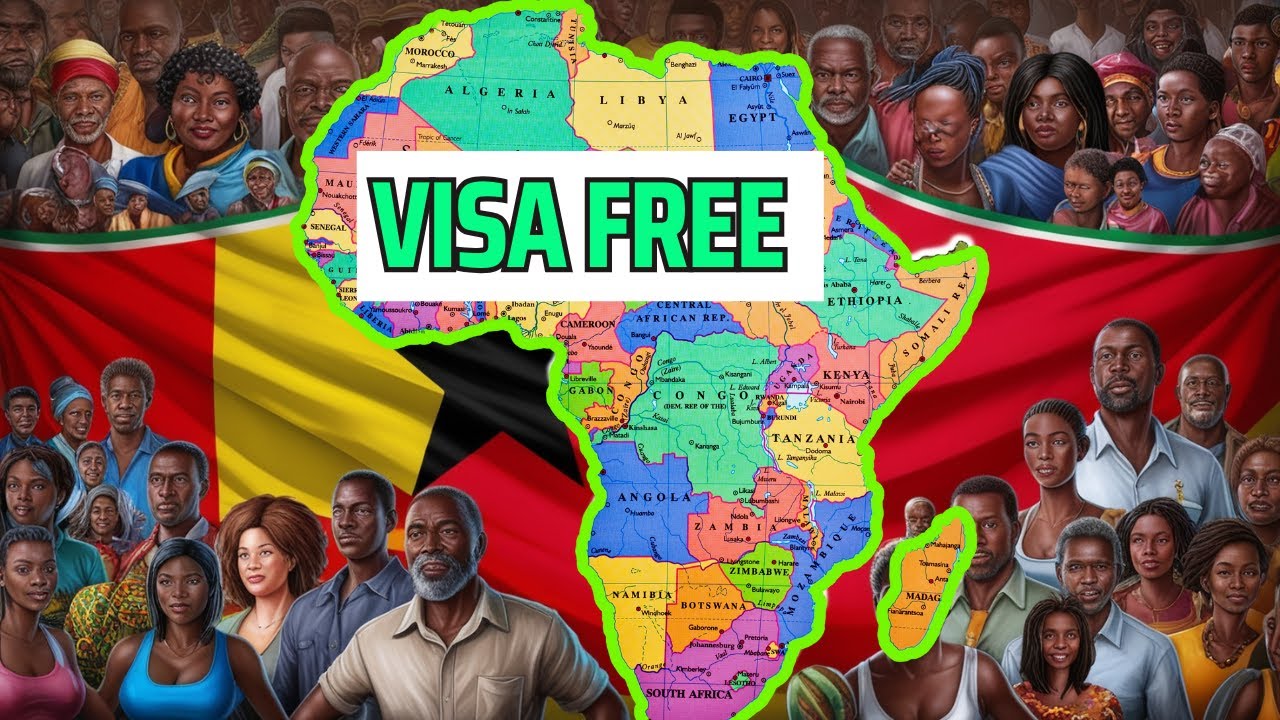
Ghana’s decision to introduce a visa-free policy for all African nationals marks a significant milestone in the country’s commitment to Pan-Africanism. The move is designed to make travel across the continent easier and more accessible, reinforcing Ghana’s reputation as a leader in African integration.
This policy aligns with broader continental goals of breaking down barriers and promoting unity among African nations. It reflects a vision of a borderless Africa where people, ideas, and businesses can move freely.
One of the most immediate benefits of this policy is its potential impact on tourism. By removing visa restrictions, Ghana becomes a more attractive destination for travelers across Africa.
Increased tourism means more revenue for hotels, restaurants, transport services, and local businesses. This could create jobs and stimulate economic activity, particularly in urban centers like Accra and Kumasi.
Beyond tourism, the visa-free policy is expected to boost trade and investment. Entrepreneurs and business owners will find it easier to explore opportunities, attend conferences, and establish partnerships.
This ease of movement could lead to stronger economic ties between Ghana and other African countries, fostering regional development and innovation.
While the benefits are clear, the policy also comes with challenges. Border security, immigration control, and infrastructure must be carefully managed to ensure smooth implementation.
Authorities will need to strike a balance between openness and security. Efficient systems and proper planning will be key to the success of this initiative.
If successfully implemented, this policy could significantly enhance Ghana’s global image. It positions the country as forward-thinking and welcoming, which could attract not just tourists but also international investors.
In the long run, this move could redefine Ghana’s role as a hub for travel, business, and cultural exchange in Africa.
