

How Close Is the World to Midnight Today? 
The Doomsday Clock is once again dominating headlines, sparking renewed global concern about how close humanity is to self-destruction. Created by the Bulletin of the Atomic Scientists, the symbolic clock reflects how near the world is to “midnight,” a metaphor for global catastrophe. As international tensions rise and new threats emerge, the clock continues to serve as a stark warning about the fragile state of the planet.
What Is the Doomsday Clock?
The Doomsday Clock was introduced in 1947 by scientists involved in the Manhattan Project. Its purpose is not to predict the future, but to communicate how close humanity is to catastrophic risk based on current global conditions. The closer the clock moves to midnight, the greater the perceived danger to human survival.
Each year, a panel of scientists and security experts evaluates global developments and decides whether to move the clock forward or backward. Their decision is based on scientific data, geopolitical trends, and emerging risks.
Why the Doomsday Clock Matters Now
Recent coverage highlights that the clock remains at one of the most dangerous positions in its history—less than two minutes to midnight. This reflects a convergence of threats rather than a single crisis. Experts point to a world where multiple risks are intensifying at the same time, making global stability increasingly fragile.
Unlike earlier decades dominated by nuclear rivalry alone, today’s dangers are more complex and interconnected. One crisis can amplify another, increasing the likelihood of irreversible consequences.
Key Factors Driving the Clock Forward
Nuclear Risk
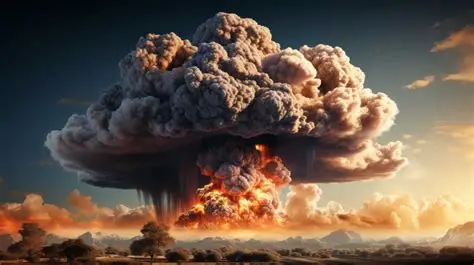
Nuclear weapons remain the most immediate existential threat. Ongoing conflicts, modernization of arsenals, and weakened arms control agreements have increased the risk of miscalculation or escalation. Scientists warn that even a limited nuclear exchange could have catastrophic global consequences.
Climate Change
Climate disruption is now a central factor in Doomsday Clock assessments. Rising global temperatures, extreme weather events, and slow progress on emissions reduction increase instability worldwide. Climate stress can worsen food shortages, migration, and conflict, compounding other global threats.
Emerging Technologies
Artificial intelligence, cyber warfare, and biotechnology are advancing faster than global governance systems can manage them. Without clear international rules, these technologies could be misused or trigger unintended consequences on a massive scale.
Misinformation and Eroding Trust
Trending analyses also emphasize the role of misinformation and declining trust in institutions. Disinformation weakens public understanding of science and undermines coordinated responses to global crises, making it harder to address risks collectively.
How the Doomsday Clock Is Set
The clock is adjusted annually after months of research and debate by the Bulletin’s Science and Security Board, in consultation with the Board of Sponsors, which includes Nobel laureates. The process considers:
-
Nuclear weapons policies and conflicts
-
Climate science and environmental action
-
Technological risks
-
Political cooperation and global leadership
The result is a symbolic time that reflects how well humanity is managing its most dangerous challenges.
Criticism and Public Reaction
Some critics argue that the Doomsday Clock is alarmist or overly symbolic. However, supporters say its strength lies in its clarity. In an era of complex data and constant news cycles, the clock provides a simple, powerful message: the world is running out of time to act responsibly.
Public reaction tends to spike whenever the clock is discussed, especially on social media, where comparisons to previous years often fuel debate and concern.
Can the Clock Move Back?
Yes—and it has before. Periods of reduced nuclear tension, stronger international cooperation, and meaningful climate agreements have previously pushed the clock farther from midnight. Scientists stress that the clock’s position is not inevitable. It can move in a safer direction if global leaders take decisive, cooperative action.
The Message Behind the Clock
At its core, the Doomsday Clock is a call to action. It urges governments, institutions, and individuals to recognize the urgency of the moment. While the challenges are immense, experts emphasize that solutions still exist—if the world chooses cooperation over conflict and science over denial.
