

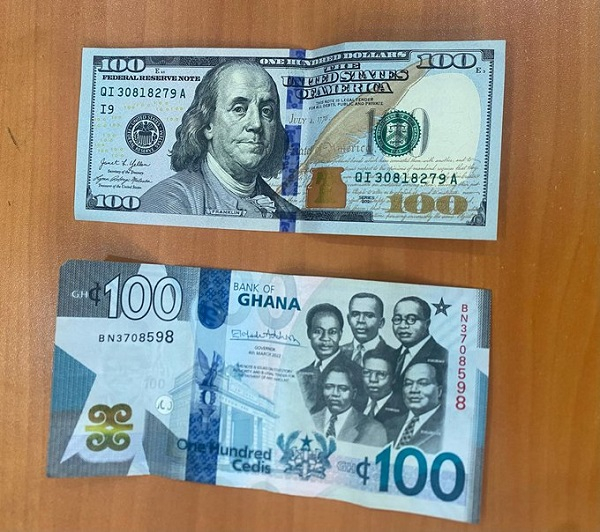
Databank Research forecasts that the Ghanaian cedi will remain relatively stable in 2026, ending the year with a projected depreciation of 7.20% against the US dollar. This would place the cedi at approximately GH¢12.85 per US dollar by December 2026.
According to the bank’s 2026 Economic Outlook, this projection considers domestic demand pressures from bulk importers, energy payments, and Eurobond obligations, assuming no major systemic shocks occur. The forecast is supported by an anticipated monthly inflow of about GH¢750 million from GOLDBOD and ongoing reforms in the small-scale mining sector, which are expected to provide steady gold-backed inflows. These inflows should help the Bank of Ghana manage market expectations and mitigate currency pressures.
On the international front, Databank Research highlighted that continued support from the International Monetary Fund (IMF) and the World Bank is likely to sustain positive market sentiment. The report also noted a gradual global shift away from the US dollar as the primary reserve currency, with China leading efforts to increase gold holdings amid uncertainty over US policies.
Discussions are ongoing regarding the potential reclassification of gold from Tier 1 to High-Quality Liquid Asset (HQLA) status, which could allow its use as collateral in repo financing. While BRICS deliberations on this remain tentative due to market volatility and logistical challenges, the move could reduce US dollar dominance and indirectly support the stability of the cedi by boosting reserve accumulation.
Excluding this low-probability scenario, Databank Research maintains a neutral-to-positive outlook for the cedi, supported by tighter foreign exchange regulations and resilient reserve buffers capable of absorbing moderate demand pressures.
