

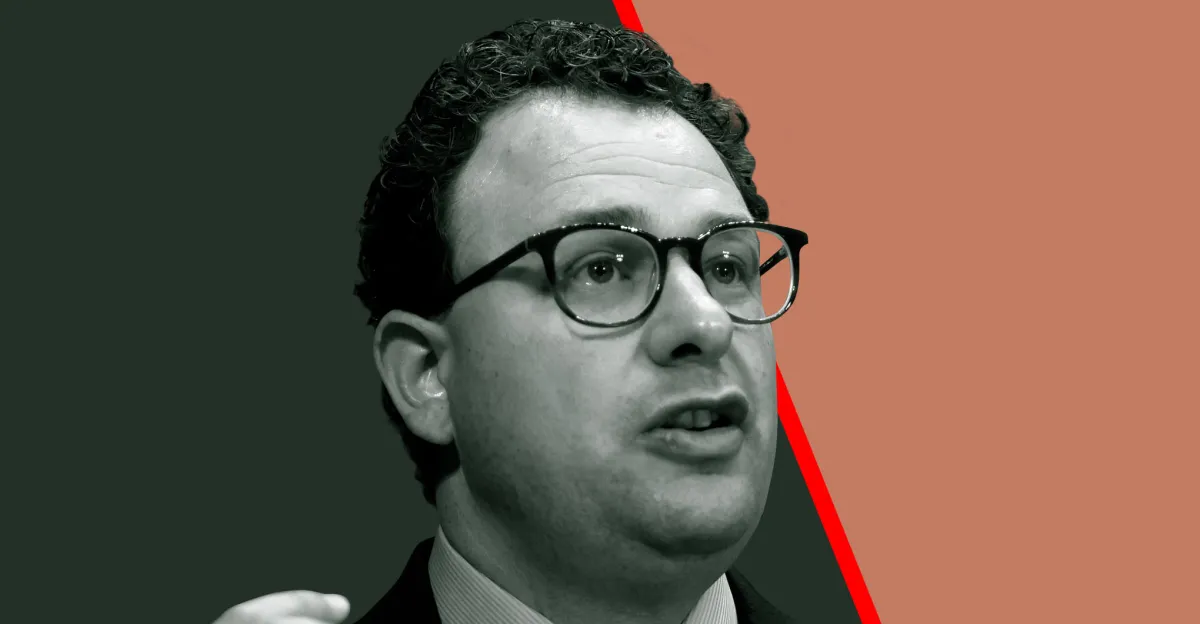
In recent developments, Anthropic’s CEO, Dario Amodei, has returned to negotiations with the Department of Defense (DoD) to mend their strained relationship, which has been characterized by harsh public exchanges. The talks aim to prevent the company from being excluded from defense contracts due to “supply chain risk” concerns.
The negotiations took a rocky turn last week after the Pentagon requested unrestricted access to Anthropic’s AI technology—a request that the company has resisted. This refusal has allowed rivals like OpenAI to step in and potentially secure contracts that Anthropic hopes to maintain.
Amodei is currently in discussions with Emil Michael, the DoD’s under-secretary for research and engineering, regarding a contract to utilize Anthropic’s Claude AI models. Recently, tensions escalated when Michael criticized Amodei on social media, calling him a “liar” and suggesting he is jeopardizing national safety.
Failing to finalize a new contract could endanger Anthropic’s future. Secretary of Defense Pete Hegseth highlighted that the company could be classified as a supply chain risk—a label typically associated with firms connected to foreign entities that threaten U.S. security. This designation would significantly impact Anthropic’s standing in the tech industry, as companies would likely distance themselves from Claude to retain defense relationships.
In a revealing memo sent to staff, Amodei alleged that the Pentagon’s motives in negotiations included questioning their commitment to national security. He expressed frustration at the perception that Anthropic’s principles—specifically, opposing mass surveillance and autonomous weapons—were a liability in the eyes of the government. Unlike OpenAI, which has maintained a closer relationship with the Trump administration through financial support and endorsements, Anthropic has been more cautious, distancing itself from politically influenced affiliations.
Amodei’s memo also pointed to a pivotal moment in negotiations when the Pentagon offered to accept Anthropic’s terms, provided the company removed a specific clause related to the analysis of bulk data. He found this request suspicious and representative of deeper issues rooted in trust and ethics.
At the core of this conflict are Anthropic’s firm stances against using its technology for mass surveillance of citizens and the deployment of lethal autonomous weapons. These principles have put them at odds with the Pentagon, which insists on having the right to deploy AI for “any lawful use.”
Historically, Claude stands as the only AI system that’s been granted security clearance for classified operations, having played roles in U.S. military actions, including operations in Venezuela and Iran. This has contributed to the urgency surrounding the negotiations, as the Pentagon seeks to expand its AI capabilities amidst rising global tensions.
As the standoff between Anthropic and the Pentagon continues, the implications for the defense industry and the ethical use of AI will remain critical areas for discussion.
