The has once again drawn national attention after updating its list of unrecognized tertiary institutions operating across the country. The move is part of ongoing efforts to regulate Ghana’s higher education sector and protect students from enrolling in schools that do not meet official standards.
In recent years, the growth of private colleges and training centers has created more opportunities for tertiary education. However, it has also opened the door for institutions that operate without proper accreditation, leaving many students at risk of obtaining qualifications that are not legally recognized.
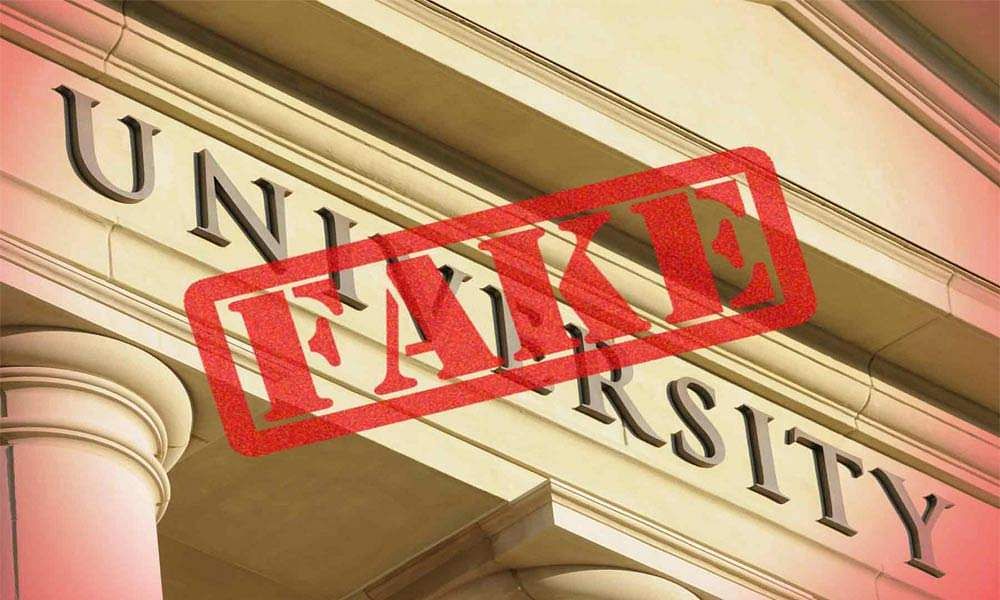
The list published by includes institutions that either lack accreditation, are operating illegally, or are offering programmed that have not been approved. Some of these schools present themselves as universities or affiliated colleges, often using misleading names to appear legitimate.
For students and parents, the list serves as a warning. Any certificate, diploma, or degree obtained from these institutions may not be recognized for employment, national service, or further education in Ghana.
The implications of attending an unrecognized institution can be severe. Graduates may struggle to secure jobs, especially in the public sector, where accredited qualifications are mandatory. In many cases, affected students only discover the problem after completing their studies, leading to financial loss and wasted years.
This issue also affects the credibility of Ghana’s education system as a whole. When unregulated institutions continue to operate, it undermines trust in tertiary education and creates unfair competition for legitimate universities and colleges.
The has intensified its enforcement efforts by publicly naming these institutions and cautioning the public against enrolling in them. It has also urged employers to verify academic credentials before offering jobs.
In some cases, authorities have moved to shut down illegal campuses or prevent them from admitting new students. Despite this, many of these institutions continue to operate, often relocating or rebranding to avoid detection.
Prospective students are being strongly advised to verify the accreditation status of any institution before enrolling. The safest way to do this is by checking directly with the or consulting its official publications.
It is also important to confirm that specific programmes, not just the institution itself, are accredited. Some schools may have partial approval but offer unapproved courses, which can still lead to invalid qualifications.
The ongoing release of unrecognized institutions lists highlights a larger need for public education. Many students, particularly those eager to continue their studies, may not fully understand the risks involved.
By increasing awareness and encouraging due diligence, authorities hope to reduce the number of people affected. Ultimately, the responsibility is shared between regulators, institutions, and students to ensure that Ghana’s education system remains credible and beneficial.
