
Global crude oil prices have surged past $100 per barrel following renewed geopolitical tensions involving Donald Trump and a reported naval blockade affecting vessels passing through the Strait of Hormuz.
The spike comes after negotiations in Islamabad failed to produce a lasting agreement, reversing earlier gains seen when the United States and Iran had agreed to a temporary two-week ceasefire. At the time, oil prices had eased to just above $90 per barrel.
However, market confidence has since weakened. Data monitored by Bloomberg on Monday morning showed West Texas Intermediate trading at $103.70 per barrel, while Brent Crude stood at $101.70 per barrel.
The development highlights the vulnerability of global oil markets to disruptions in the Middle East, particularly along the Strait of Hormuz, a critical corridor for a significant portion of the world’s crude oil shipments.
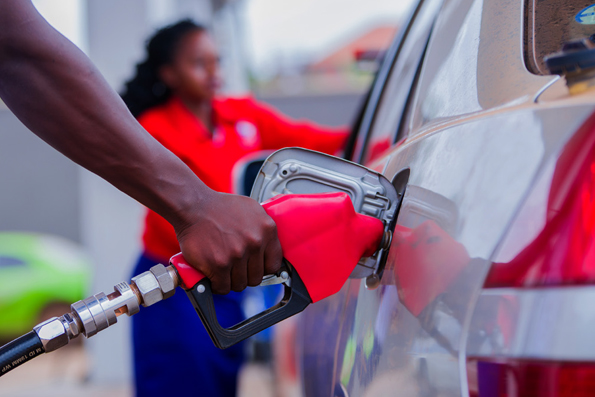
For import-dependent economies such as Ghana, the surge presents renewed pressure on fuel prices. Domestic pump prices have already been rising since tensions began, prompting government intervention.
Authorities have directed the Ministers of Finance and Energy to implement a temporary suspension of selected taxes and margins starting April 16. The measure, expected to last four weeks, is intended to cushion consumers and businesses from escalating fuel costs.
However, the latest increase in global oil prices could undermine the effectiveness of these relief efforts, particularly if elevated prices persist into future pricing cycles.
