

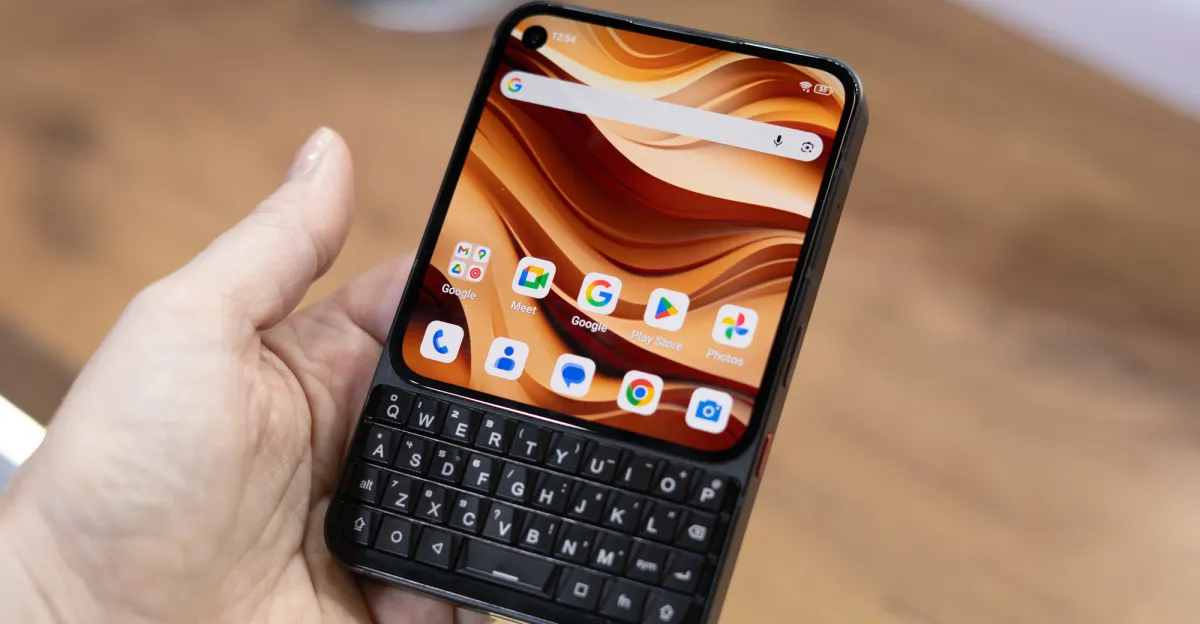
Attendees of MWC 2026 in Barcelona were greeted with a refreshing variety of mobile devices that challenged the conventional smartphone design. Unihertz stood out with its Titan Elite 2, which caught the attention of many, partly due to its striking cosmic orange color and its nostalgic QWERTY keyboard, reminiscent of classic BlackBerry devices. The moment you hold the Titan Elite 2, you can appreciate why it was so sought-after. It’s lightweight, slim, and fits easily in your pocket. With its tactile physical keys, it invites you to type away, providing a sense of liberation that’s often missing in modern smartphones.
This year’s event showcased quirky innovations—everyone had something unusual to display. From a phone with an electric igniter to devices designed with pet owners in mind, the variety was eclectic. While many of these concepts may not become mainstream, they spark curiosity and encourage imaginative alternatives in mobile technology.
One of the emerging trends noticed at the Unihertz booth was the idea of secondary phones. These devices serve as more than just back-ups; they act as alternatives that can enhance your mobile experience without the usual distractions. The Titan Elite 2 runs on Android 16 and promises upgrades up to Android 20, making it versatile enough to be effective without the overload of social media applications.
As phones become more critical in our lives, the notion of a minimalist phone is gaining traction. This shift is partially driven by an increasing desire for a digital detox. Users are looking for ways to disconnect from the constant notifications of their primary devices. With second phones, you can enjoy communication features like texting and calling while avoiding the siren call of endless scrolling on social media platforms.
Notably, the Titan Elite 2 finds itself in a competitive market alongside devices like the Clicks Communicator. Both phones aim for efficiency and high-quality messaging experiences. While the Titan boasts a unique QWERTY layout, the Clicks Communicator offers a separate key design that some may prefer. Both are marketed as ideal for those looking to type emails and messages rather than engage with social media.
Amidst the excitement for these unique devices, a significant concern remains—the rising costs in mobile manufacturing due to RAM shortages. As prices increase, the idea of investing in several devices becomes a luxury few can afford. However, creators of minimalist phones remain optimistic. The CEO of Light, a brand focusing on creating simplistic devices, has noticed a growing customer base, particularly among younger users who are more conscious of their digital consumption.
The primary question remains: Can a secondary phone truly alleviate your smartphone fatigue? With various startups promoting devices that encourage more focused use, the topic is worth considering. Fairphone has taken a novel approach with a physical switch that customizes app access, promoting a more mindful engagement with technology.
As we reflect on these developments, the future invites possibilities beyond just another device. Integrated solutions like smart glasses, voice-controlled assistants, or other wearable technologies may redefine how we connect with the digital world. The struggle for a balanced relationship with our technology continues, but it is clear that there’s a demand for innovation that prioritizes user agency and mental well-being.
The principle driving these minimalist, secondary devices is to carve out a healthier distance from our main smartphones, paving the way for a lifestyle where technology nurtures rather than hinders our daily lives. The conversations sparked at MWC 2026 signal a promising future for thoughtful tech advancements, regardless of their shapes and sizes.
