

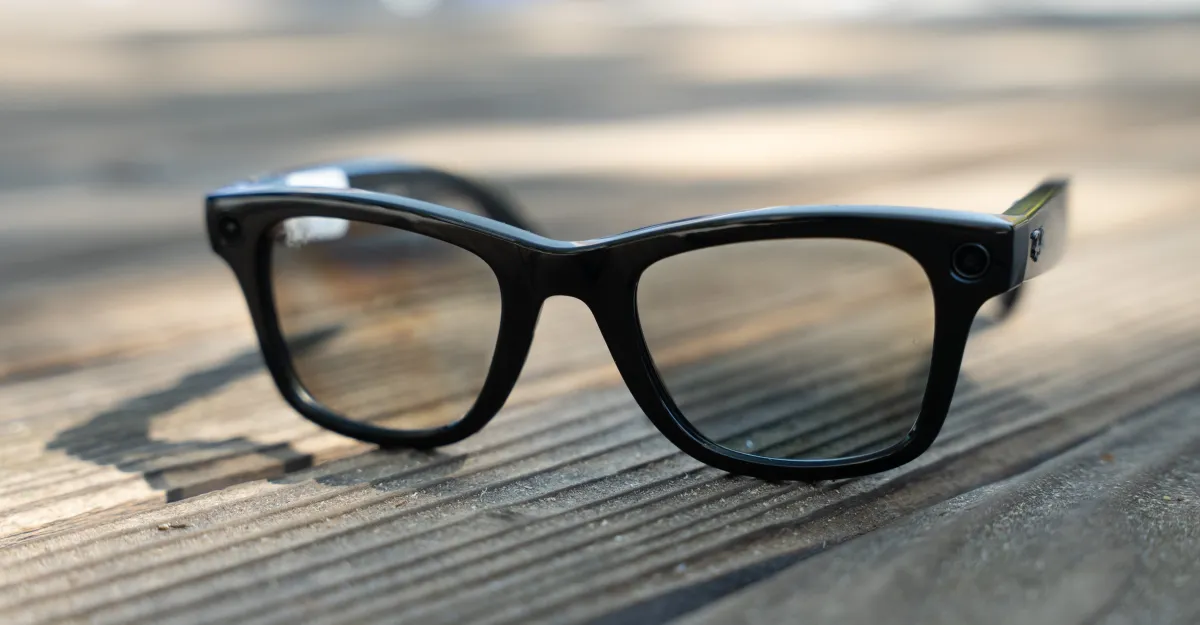
Meta’s smart glasses, equipped with artificial intelligence, are allegedly transmitting sensitive video footage to reviewers in Nairobi, Kenya. This revelation comes from an investigation by Swedish news outlets, which uncovered that contractors have been exposed to troubling content captured by the glasses, including videos of intimate moments.
The report shows that at least one class action lawsuit has been initiated against Meta, accusing the company of misleading consumers about the privacy features of its smart glasses. The lawsuit contends that by claiming these devices were designed to protect privacy, Meta failed to disclose critical information regarding how users’ data could potentially be observed by strangers.
According to the contractors interviewed, their role involves labeling various types of content, which can include anything from everyday activities to private scenes. “We see everything — from living rooms to naked bodies,” one contractor reported. While automated technology is supposed to obscure faces in the footage, these workers say the system often malfunctions, leaving personal identifiers visible.
These smart glasses, developed in collaboration with Essilor Luxottica, have gained significant market traction, with over 7 million units sold. Despite their popularity, public sentiment is increasingly wary amid rising privacy concerns. Recent changes to Meta’s privacy policy also raise eyebrows, including restrictions that prevent users from opting out of audio storage linked to their device.
In response to the outcry, Meta has clarified that any media captured by the glasses remains on the user’s device unless shared voluntarily. A spokesperson emphasized that while the company employs contractors for data review to enhance user experiences, measures are taken to protect user privacy and limit exposure of identifiable information.
The situation has attracted the scrutiny of various privacy advocates and regulatory agencies, further complicating the narrative surrounding wearable technology. The UK’s Information Commissioner’s Office has initiated inquiries into the claims, as concerns mount about the potential integration of facial recognition into these devices, which poses significant risks to individual privacy and civil liberties.
As the debate continues, users remain cautious about the implications of privacy erosion in everyday technology.
